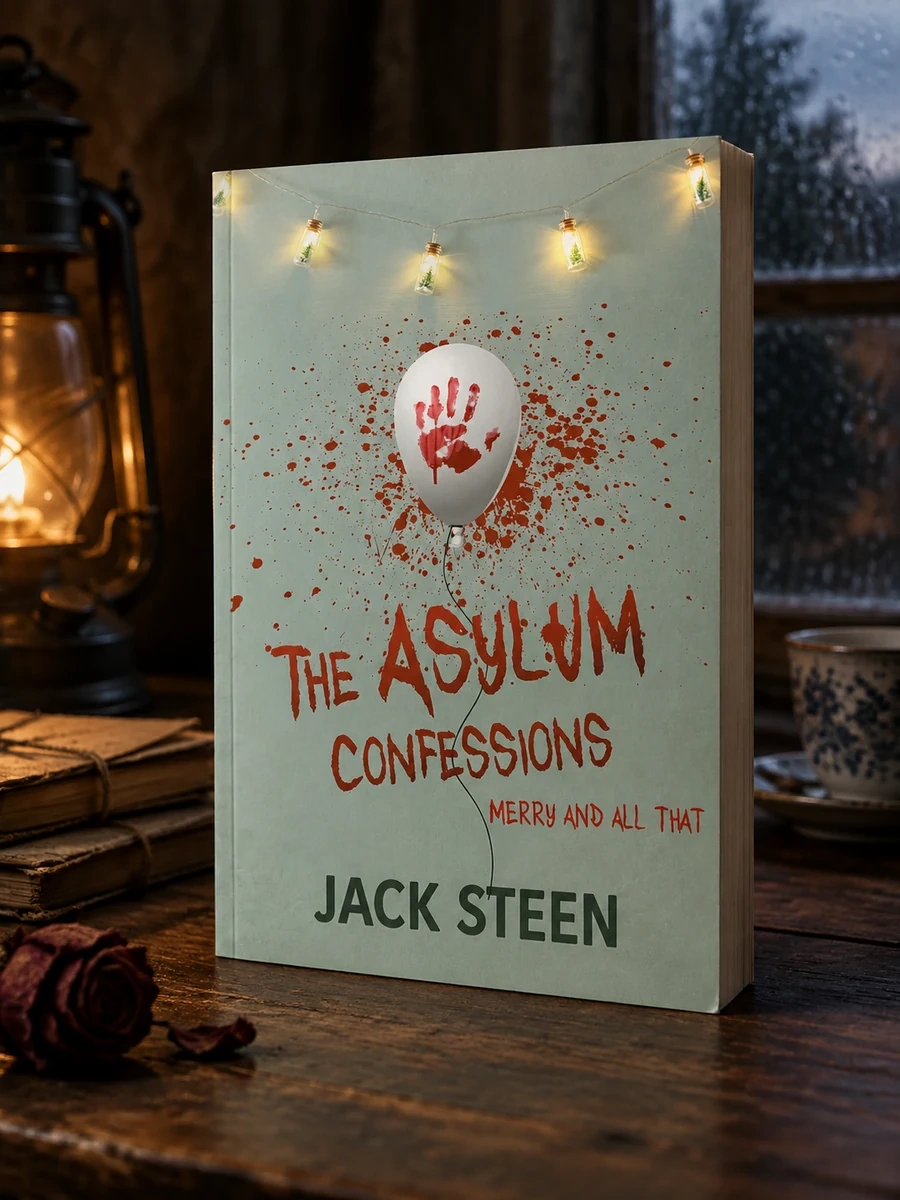
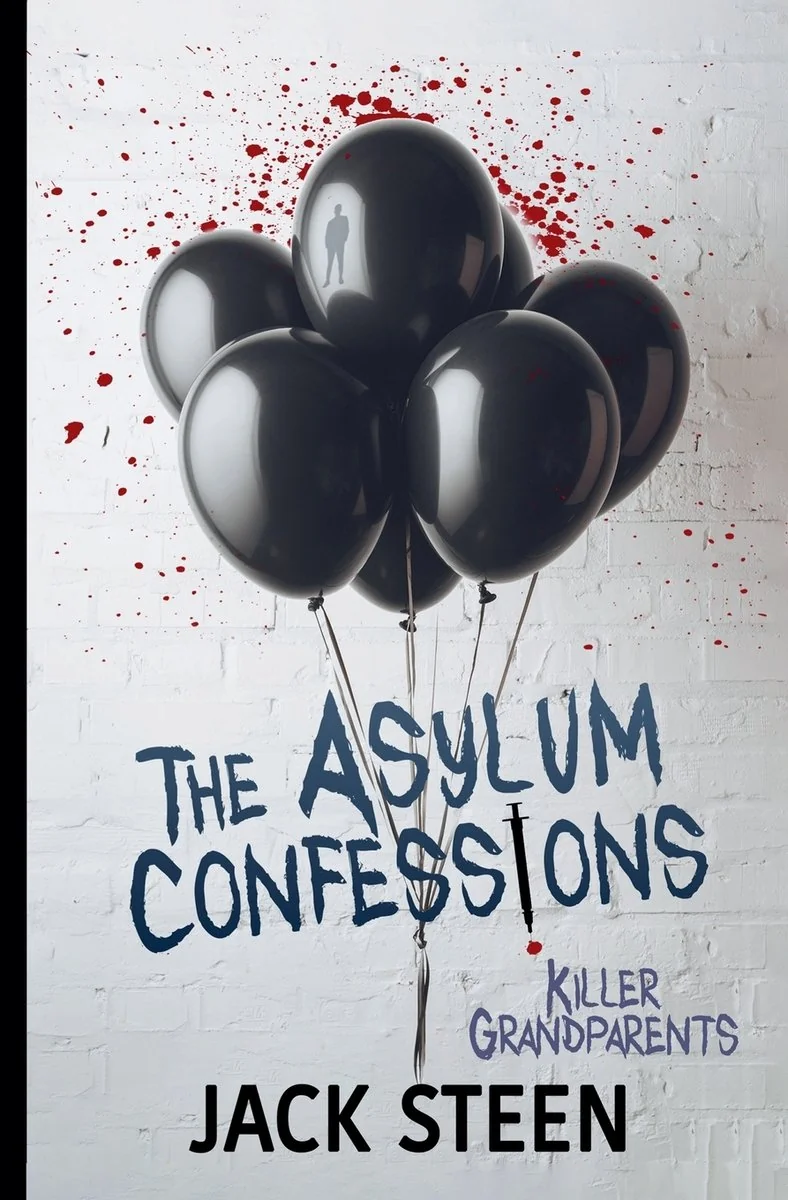
The Asylum Confessions: Killer Grandparents
A night nurse records final confessions from elderly killers hiding in plain sight.
This volume investigates the lives of criminals who successfully integrated into society while committing atrocities. Steen uses the perspective of a medical professional to frame these accounts, creating an intimate yet unsettling atmosphere. The focus remains on the longevity of their deception and the shock of their eventual exposure. The book does not provide forensic analysis but rather personal narratives from the wards. It highlights the difficulty of identifying malice in beloved family members. The confessions serve as a window into minds that have spent years perfecting their masks.
Published by Deathbed Publishing in 2026, this work sits within the contemporary true crime and gothic horror genres. It reflects a modern interest in the psychological profiles of criminals who age without detection. The setting of an asylum for the criminally insane grounds the narrative in institutional history.


📝 Description: The Asylum Confessions: Killer Grandparents
💎 Our verdict on The Asylum Confessions: Killer Grandparents
📖 Why choose it
Why this book is worth reading
Readers interested in the psychological complexity of elderly criminals and the intersection of family dynamics with hidden violence will find this text compelling. It offers a unique perspective through the lens of a night nurse, providing an intimate yet unsettling atmosphere that highlights the difficulty of identifying malice in beloved family members. This book is ideal for those who enjoy exploring the longevity of deception and the shock of eventual exposure in true crime narratives. It appeals to audiences seeking to understand how individuals manipulate their surroundings to avoid detection for extended periods. The focus on personal narratives from death wards rather than forensic analysis provides a distinct narrative style that delves into the minds of expert manipulators.
⭐ Reader reviews
Reader rating
Jack Steen effectively frames these accounts through a medical professional’s perspective, creating an unsettling atmosphere that lingers long after reading. By focusing on the longevity of deception and the shock of exposure, the text avoids standard forensic analysis in favor of raw, personal narratives from the wards. This approach highlights the profound difficulty of identifying malice in those perceived as harmless family members. The work suits readers who appreciate the tension between truth and deception in late-life admissions. It is particularly well-regarded for its examination of expert manipulators whose reliability remains ambiguous. Those seeking straightforward historical accounts may find the narrative style less appealing, but fans of psychological horror will value the deep dive into the masks perfected over decades.