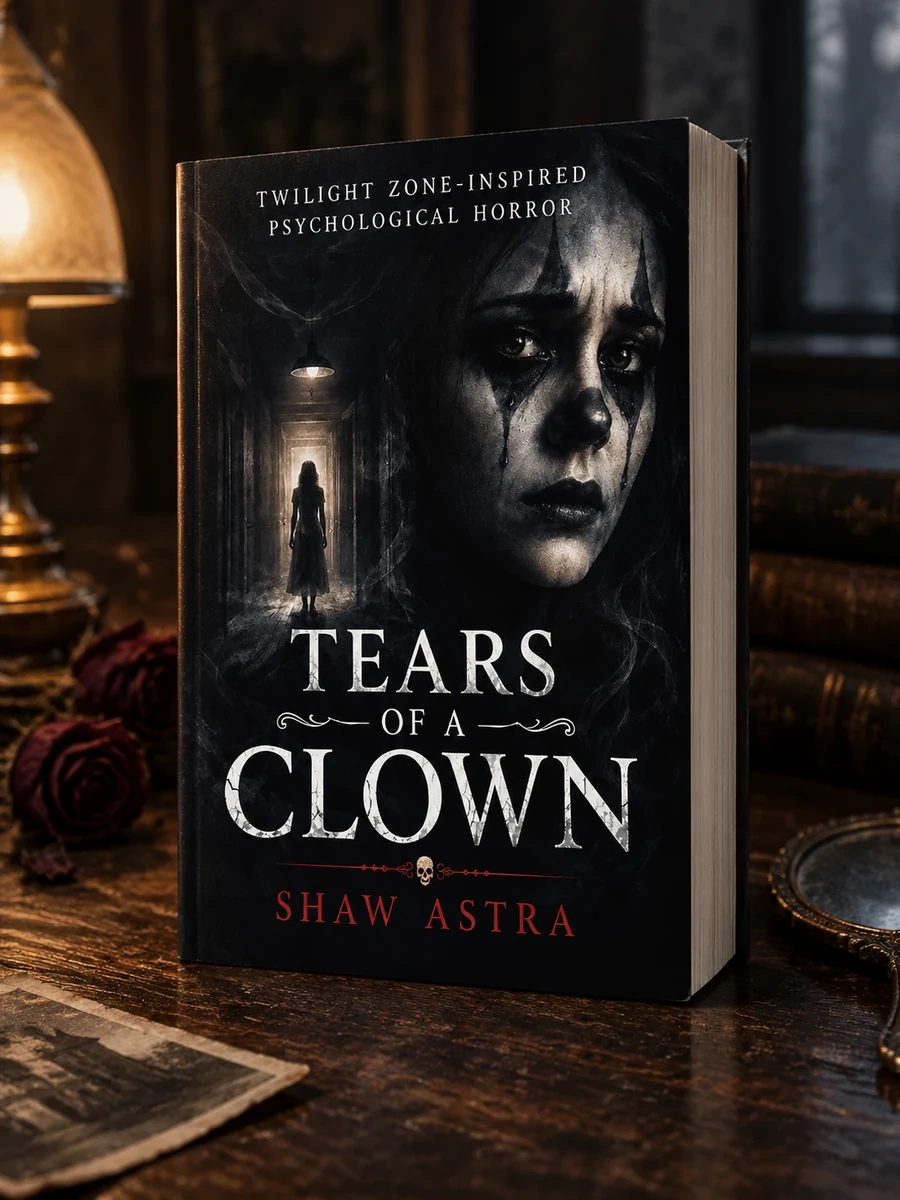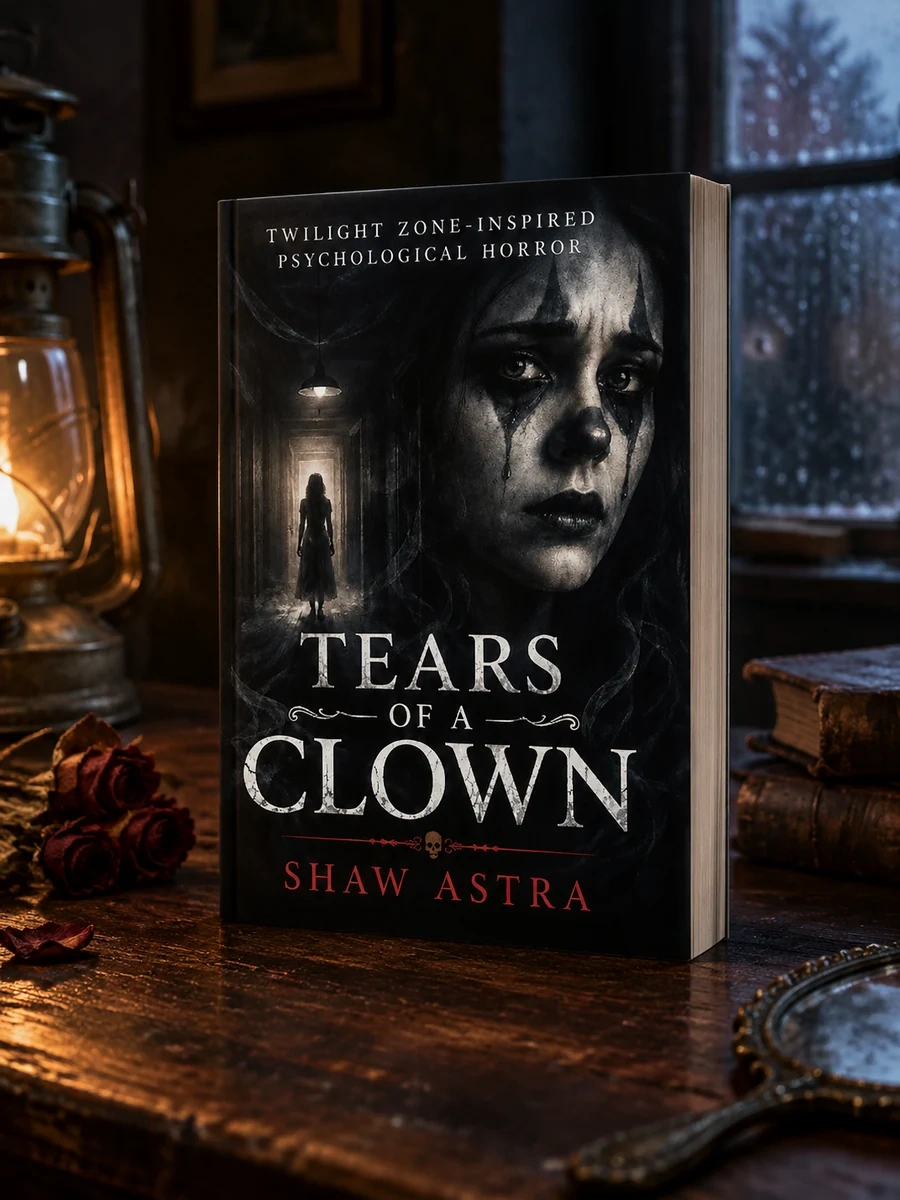
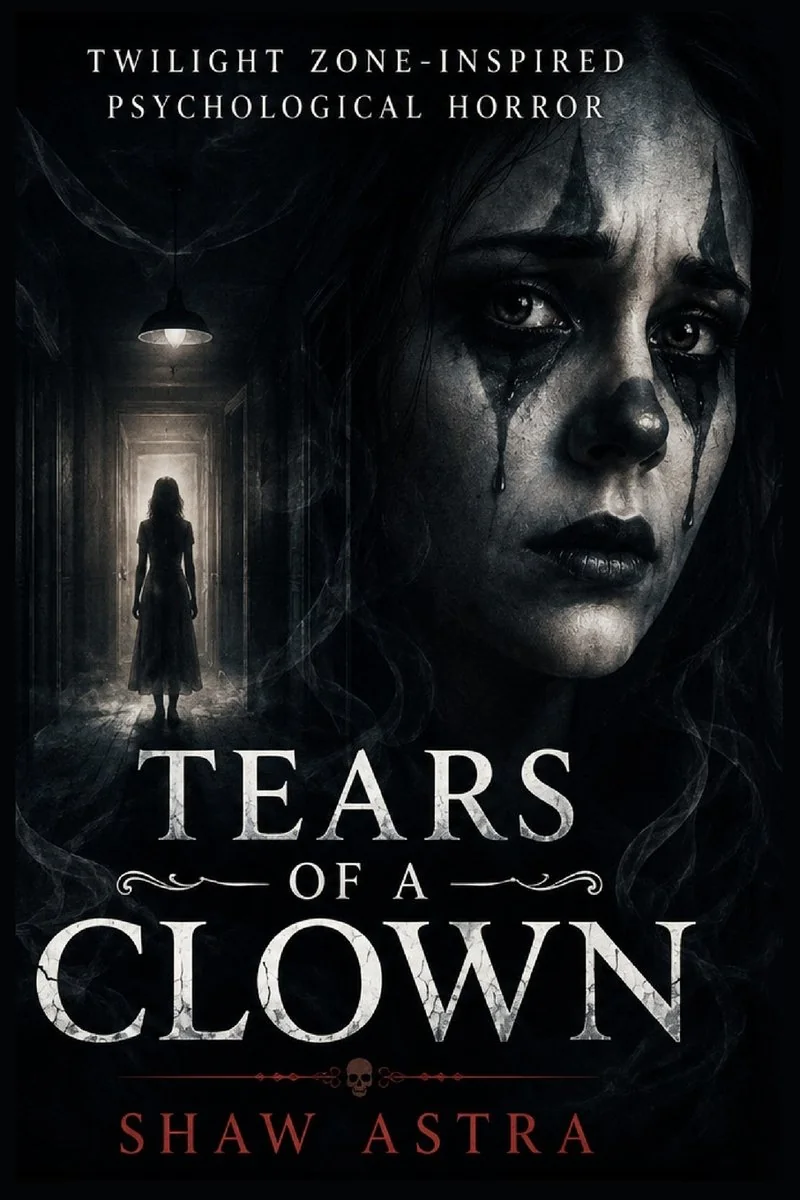
Tears Of A Clown: A Twilight Zone Inspired Psychological Horror
A psychological horror novel inspired by Twilight Zone themes.
Cassandra enters a non-existent house with her cousin Tonya, triggering a descent into psychological horror. The environment warps time and memory, forcing Cassandra to face long-avoided truths. Astra uses the Twilight Zone framework to explore how trauma distorts reality. The story emphasizes that acceptance is the only path to escape. This approach creates a tense atmosphere where physical danger mirrors internal struggle.
Published in 2026 by Shaw Astra Creations, this book sits within the American tradition of psychological horror. It explicitly draws on the surreal suspense and twisted reality tropes established by The Twilight Zone television series. The work continues the legacy of supernatural fiction that questions the nature of perception.


📝 Description: Tears Of A Clown: A Twilight Zone Inspired Psychological Horror
💎 Our verdict on Tears Of A Clown: A Twilight Zone Inspired Psychological Horror
📖 Why choose it
Why this book is worth reading
Readers drawn to surreal suspense and psychological horror will find this novel deeply engaging, particularly those interested in narratives where physical spaces mirror mental states. The book offers a tense atmosphere that challenges the reader’s perception of reality through shifting rooms and deceptive mirrors. It is ideal for audiences who enjoy supernatural fiction focusing on internal conflict rather than straightforward plot resolutions or traditional jump scares. By exploring how trauma distorts memory and time, it forces a confrontation with difficult personal histories. Those seeking to understand the terrifying power of the human mind and the necessity of accepting buried truths will appreciate this twist-filled experience that prioritizes psychological depth over easy answers.
⭐ Reader reviews
Reader rating
Shaw Astra delivers a compelling entry in the surreal suspense genre, effectively channeling the eerie tone of The Twilight Zone. The narrative successfully traps the protagonist in a warping environment where time bends and memories distort, creating a palpable sense of dread. The integration of gothic atmospheres with psychological horror allows for a nuanced exploration of identity and trauma. While the surreal pacing may disorient readers seeking conventional plots or immediate gratification, it serves the story’s thematic depth perfectly. The book excels in its use of deceptive mirrors and haunting shadows to externalize internal struggles. It is best suited for mature readers who appreciate challenging narratives that demand active engagement with complex emotional truths rather than passive consumption of simple scares.