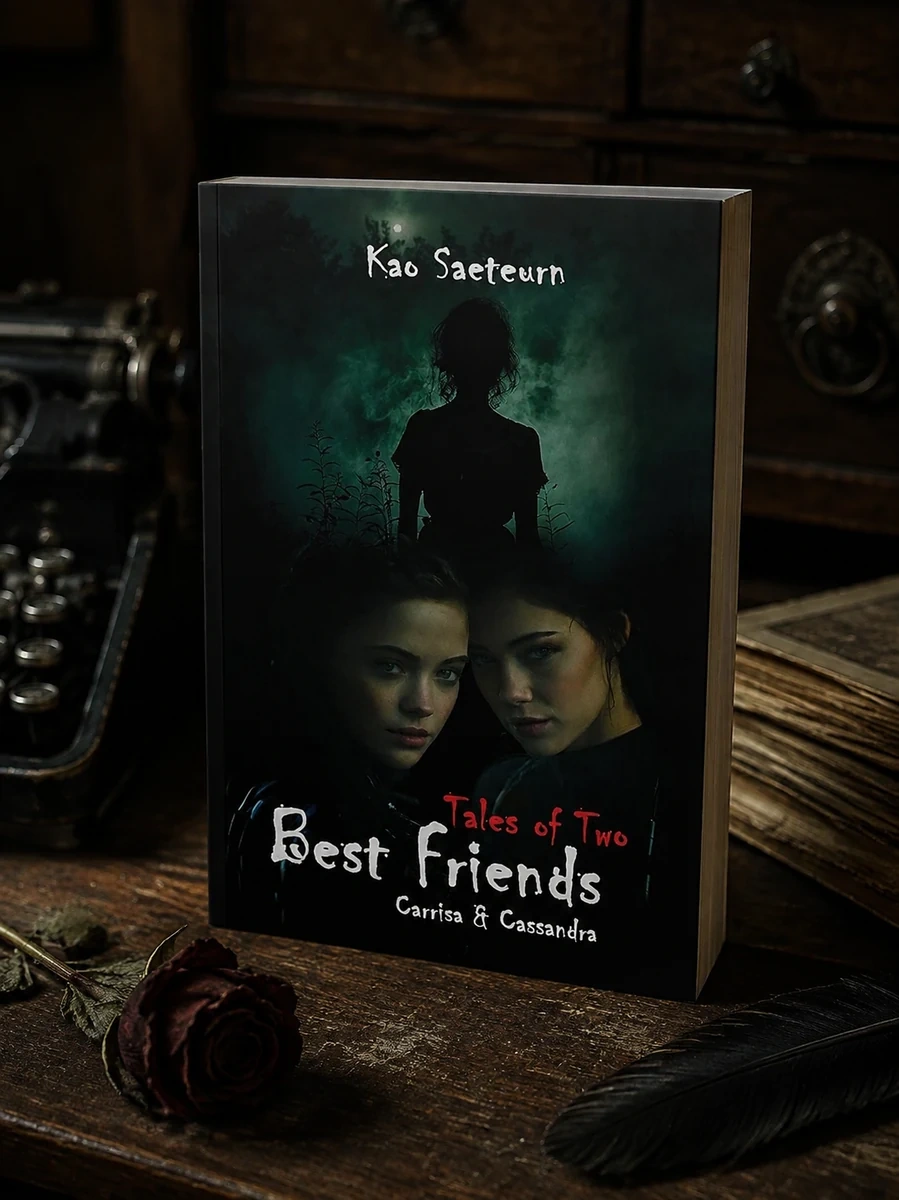
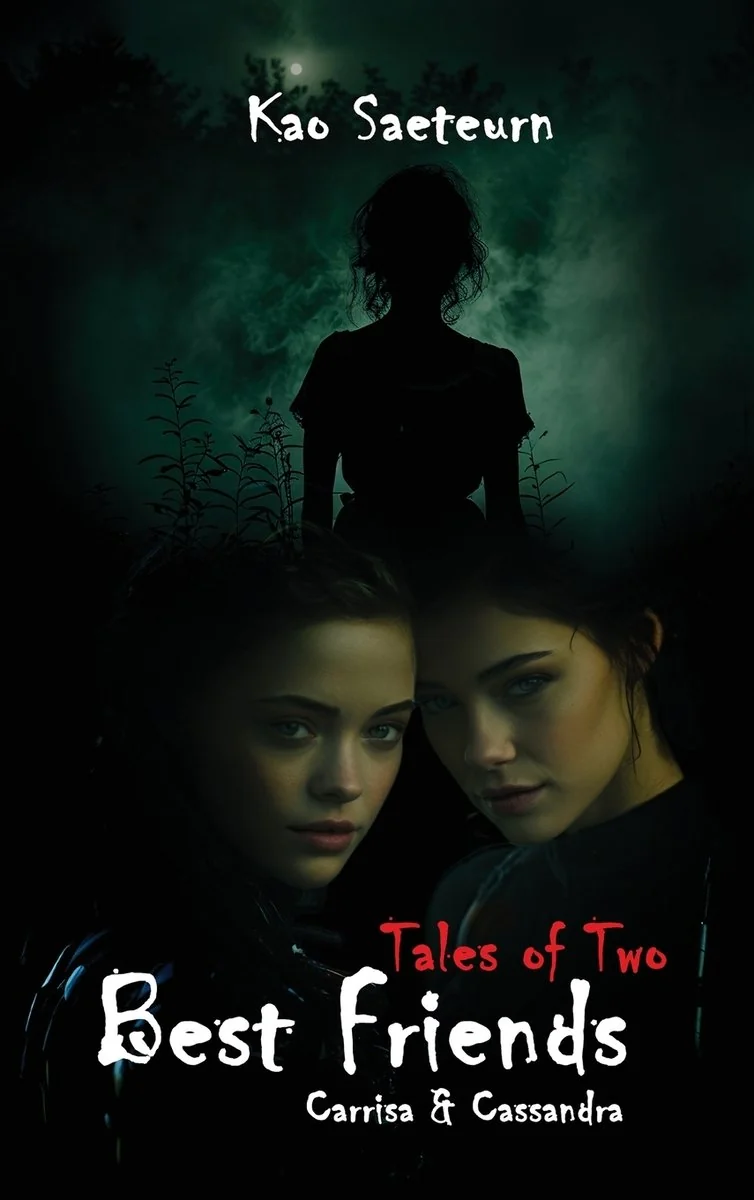
Tales of Two Best Friends (Carrisa & Cassandra)
A ghost story about friendship, possession, and Mien shamanic traditions.
This work investigates the aftermath of tragedy through the lens of Mien spirituality. It details how Carrisa’s life is upended by Cassandra’s chinn-thighh status. The narrative focuses on the interaction between the living and the dead, specifically how Boi attempts to separate them. It highlights the tension between letting go and holding on. The story does not rely on jump scares but rather on the psychological weight of a spirit that cannot move on. It offers a specific look at how ancient traditions confront modern grief.
The narrative is grounded in Mien culture, specifically referencing the chinn-thighh, a wandering spirit caught between heavens and earth. It utilizes Mien’s ancient shamanic traditions to explain the mechanics of haunting and the role of figures like Boi in guiding souls. The setting involves the intersection of these spiritual beliefs with the immediate aftermath of a car accident.


📝 Description: Tales of Two Best Friends (Carrisa & Cassandra)
💎 Our verdict on Tales of Two Best Friends (Carrisa & Cassandra)
📖 Why choose it
Why this book is worth reading
Readers who appreciate horror rooted in specific cultural traditions and psychological depth will find this narrative compelling. It offers a unique exploration of the Mien concept of chinn-thighh, providing insight into how unresolved grief manifests as spiritual unrest. The book is ideal for those interested in supernatural tales that prioritize interpersonal dynamics over generic scares. By examining the tension between letting go and holding on through the lens of friendship and possession, it delivers an intense emotional experience. It appeals to audiences seeking literary horror that respects its cultural framework while delivering a haunting meditation on loyalty and the boundary between the living and the dead.
⭐ Reader reviews
Reader rating
The narrative excels in depicting the psychological weight of a spirit that cannot move on, avoiding cheap jump scares for deeper thematic resonance. It effectively blurs the line between friendship and control, making the haunting feel intimate and personal. The integration of Mien shamanic practices provides a distinct cultural texture rarely seen in mainstream horror fiction. This approach suits readers who value atmospheric dread and complex character interactions over visceral gore. The story’s focus on the mechanics of haunting within a specific spiritual context offers a refreshing alternative to traditional tropes, delivering a poignant look at how ancient traditions confront modern tragedy with gravity and respect.
📖 Read on the blog
✍️ More books by this author Kao Saeteurn
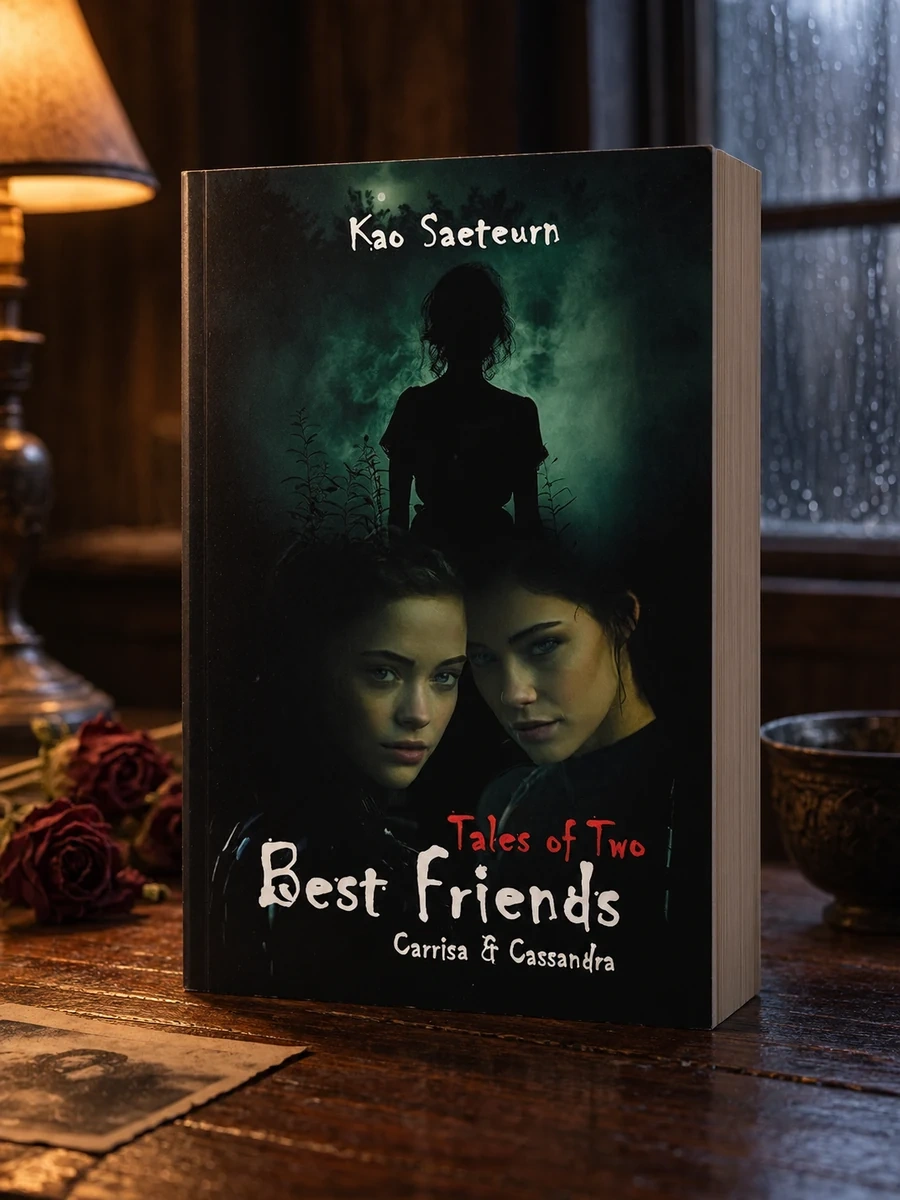


🏛 Books from this publisher Kao Saeteurn
You might also like
See more →



Have a question about this item?
Ask about the edition, condition, delivery or anything else — we reply by email or phone, usually within a day.
