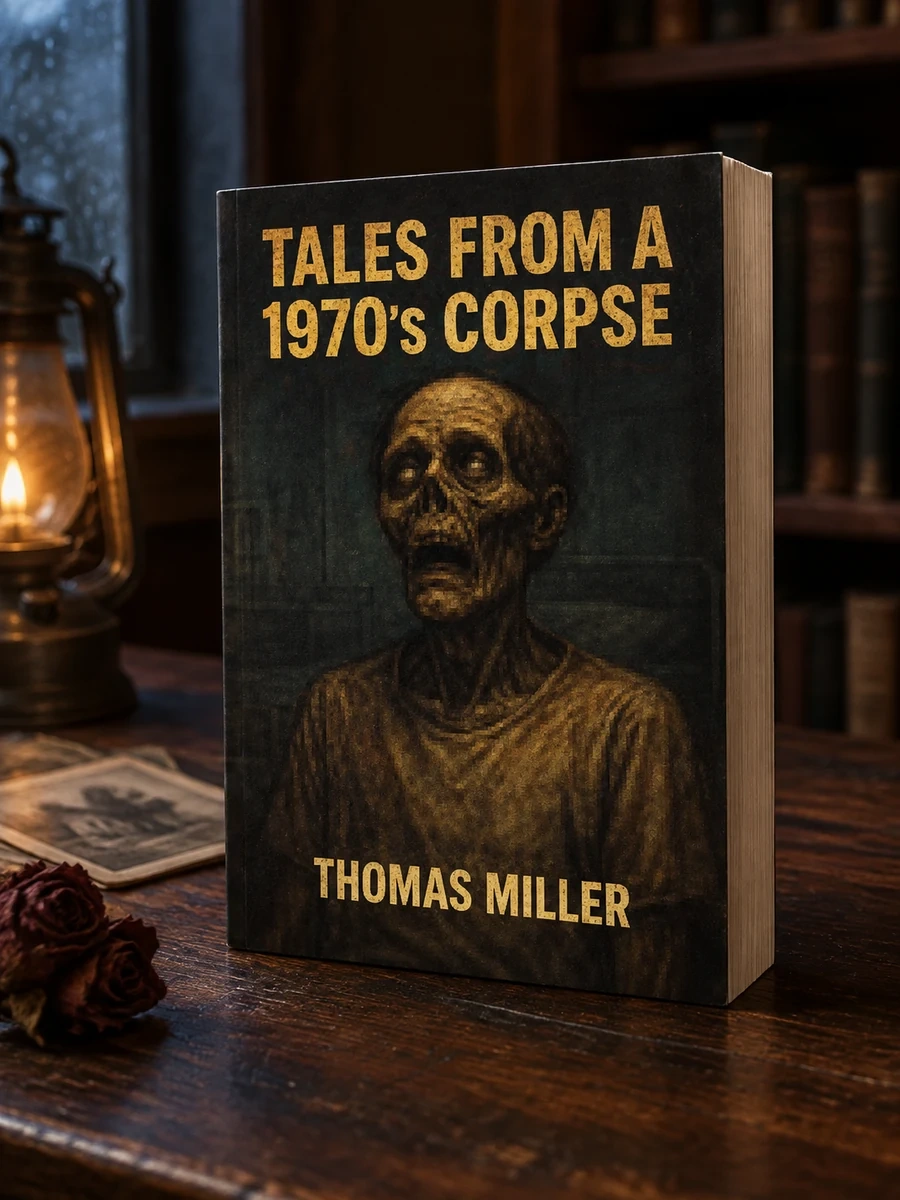
Tales from a 1970's Corpse
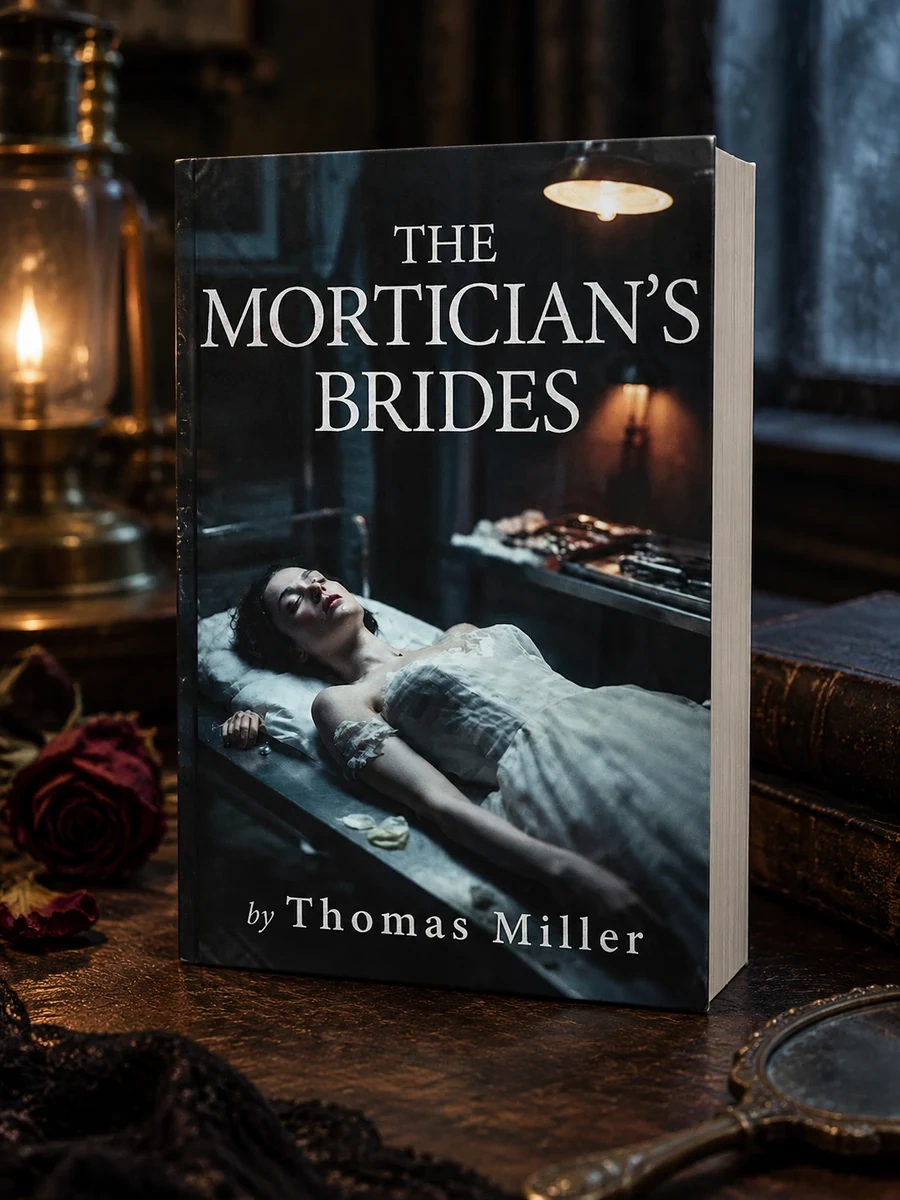
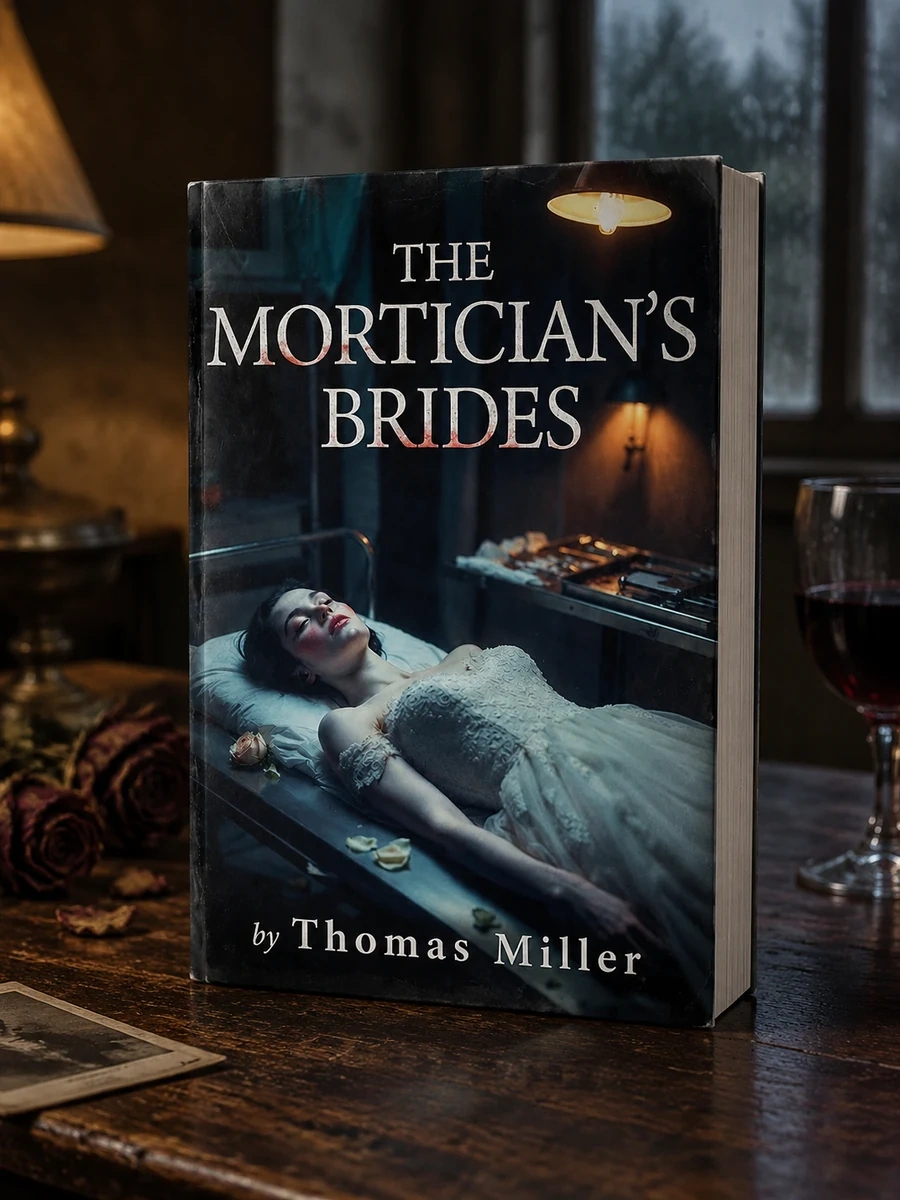
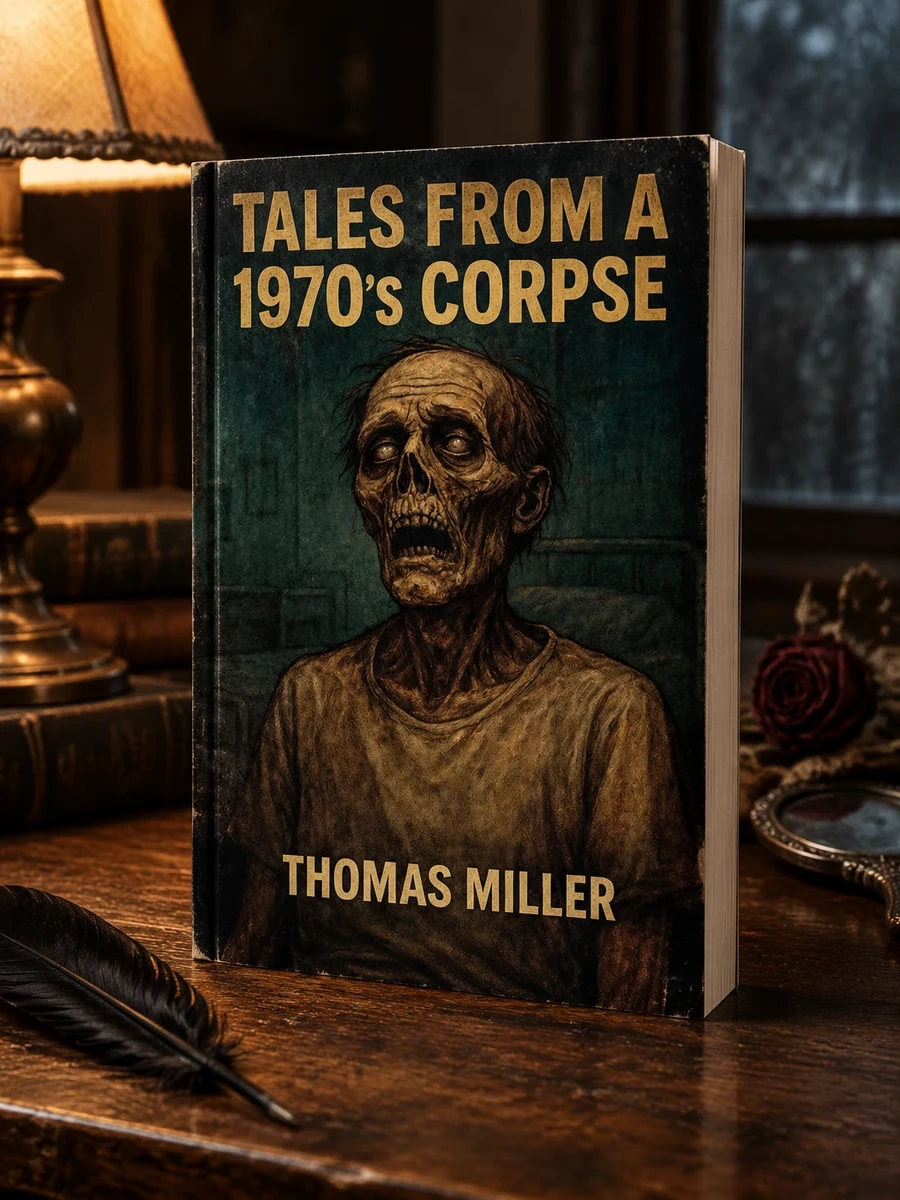
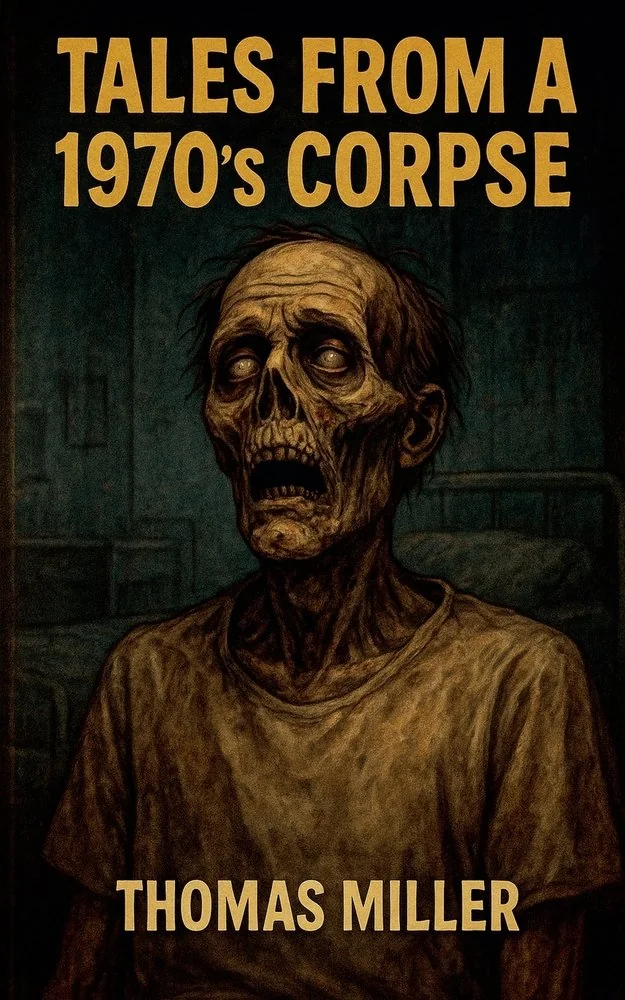
A collection of interconnected horror stories told from the perspective of the dead in a 1970s hospital morgue.
Miller’s work examines the lingering presence of those who died at Saint Agatha's Hospital. The narrative focuses on the trapped consciousness of nurses, addicts, elders, and children. A mysterious figure obsessed with stillness awakens these souls, uniting them in pain. The stories highlight their regrets and final screams. This structure creates a dense atmosphere of supernatural dread. The book appeals to fans of vintage horror who enjoy psychological tension. It avoids modern tropes in favor of a slower, more disturbing pace. Readers looking for clear resolutions may find the ending unsettling rather than satisfying.
The book is published in 2025 by Thomas Miller. It draws on the tradition of vintage horror and supernatural dread. The setting relies on the decaying infrastructure of a 1970s hospital morgue. This period provides the specific atmospheric backdrop for the interconnected tales of the dead.


📝 Description: Tales from a 1970's Corpse
💎 Our verdict on Tales from a 1970's Corpse
📖 Why choose it
Why this book is worth reading
Readers who appreciate the slow burn of psychological terror and the weight of forgotten history will find profound value in this collection. It suits those drawn to vintage horror traditions that emphasize atmospheric storytelling over fast-paced action or contemporary thriller plots. Fans of gothic and ghost stories will enjoy the unique perspective of trapped consciousnesses, exploring deep disturbance through the voices of nurses, addicts, and children. The book offers a dense atmosphere of supernatural dread that lingers long after reading. It is ideal for those who prefer clear emotional resonance and classic genre elements rather than quick resolutions or modern tropes.
⭐ Reader reviews
Reader rating
Miller crafts a deeply disturbing collection rooted in the decaying halls of Saint Agatha's Hospital, shifting perspective to the deceased to create an atmosphere of intense psychological terror. The text excels in building supernatural dread through interconnected narratives that highlight regret and final screams. By focusing on trapped consciousnesses, Miller avoids modern tropes in favor of a slower, more unsettling pace. This volume is best suited for readers who appreciate atmospheric storytelling and classic horror elements. It may disappoint those seeking clear resolutions or action-driven plots. However, for enthusiasts of vintage horror and psychological tension, the work delivers a powerful exploration of pain beyond death, demanding recognition for voices long ignored by the living world.