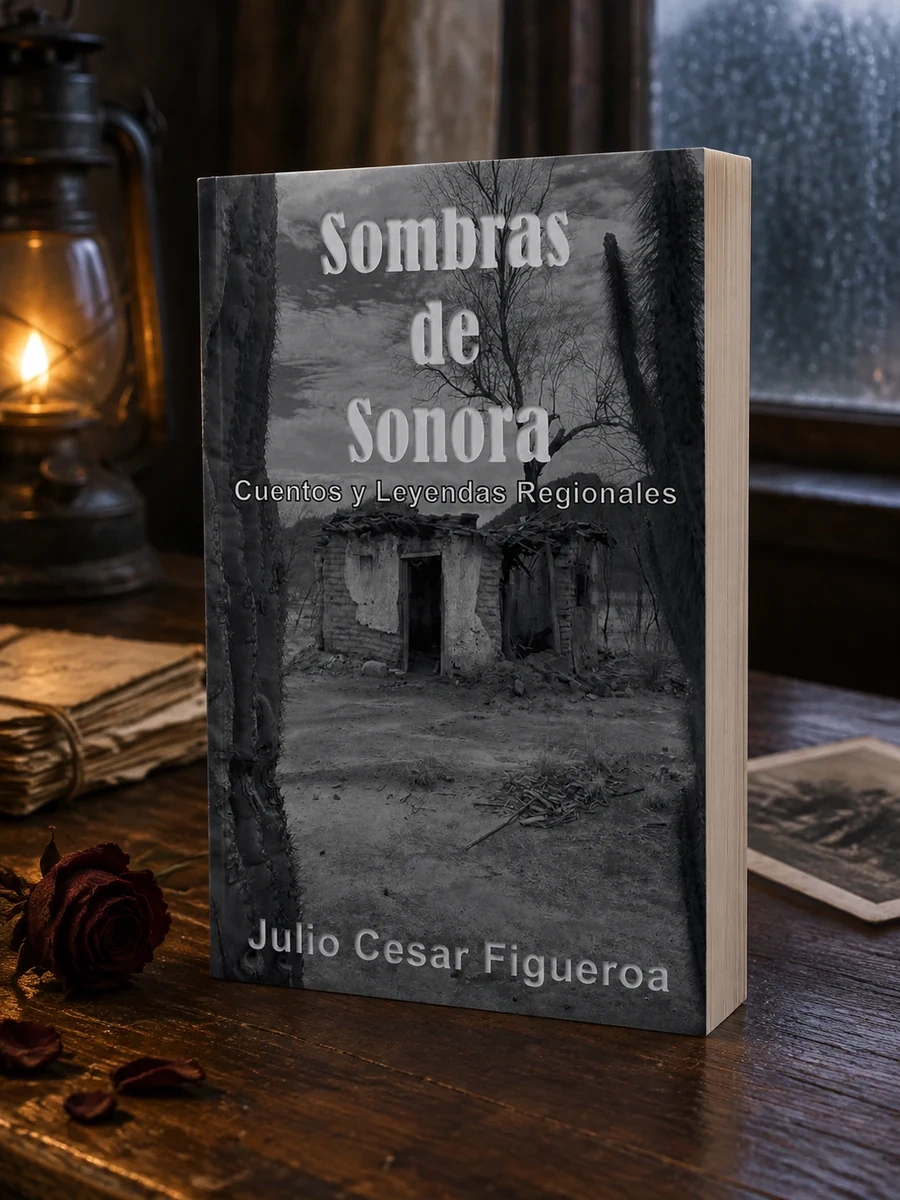

Sombras de Sonora
A slow-burning collection of ghost stories by Julio Cesar Figueroa focusing on atmospheric dread.
Released as a paperback in 2026, this work explores horror through ghostly themes and psychological tension. Figueroa builds suspense by focusing on unseen presences rather than sudden events or explicit gore. The story prioritizes a heavy atmosphere that lingers with the reader. This method appeals to those who prefer subtle fear over complex plots. Character development is minimal, serving instead to highlight the haunting power of memory. The direct style keeps the mood central to the experience. Readers seeking detailed narratives may find it less engaging. It stands as an atmospheric study for specific horror fans.
Published in 2026, this paperback release targets readers who prefer atmospheric dread over plot-heavy narratives. The work relies on the lingering presence of the unseen to create tension, allowing fear to accumulate through mood rather than sudden shocks.


📝 Description: Sombras de Sonora
💎 Our verdict on Sombras de Sonora
📖 Why choose it
Why this book is worth reading
Readers who prefer subtle fear and atmospheric dread over complex plots or graphic violence will find this collection compelling. It appeals to those drawn to psychological horror where the focus remains on creeping tension and the weight of memory rather than character development. The direct style ensures the haunting quality takes center stage, making it ideal for fans of slow-burning narratives that prioritize mood. Those seeking detailed storylines or action may find it less engaging, but enthusiasts of environmental pressure and unseen presences will appreciate the lingering unease this work cultivates.
⭐ Reader reviews
Reader rating
Figueroa’s Sombras de Sonora excels at building suspense through atmospheric density rather than sudden events or explicit gore. By focusing on unseen presences, the collection creates a heavy mood that lingers with the reader long after the final tale. The direct narrative style ensures environmental pressure remains central, avoiding complex character arcs to highlight haunting themes. While minimal character development may deter those seeking detailed narratives, fans of psychological horror and gothic traditions will appreciate this study in subtle fear. It stands as an effective exploration of dread for readers who value mood over mechanics.
You might also like
See more →



Have a question about this item?
Ask about the edition, condition, delivery or anything else — we reply by email or phone, usually within a day.
