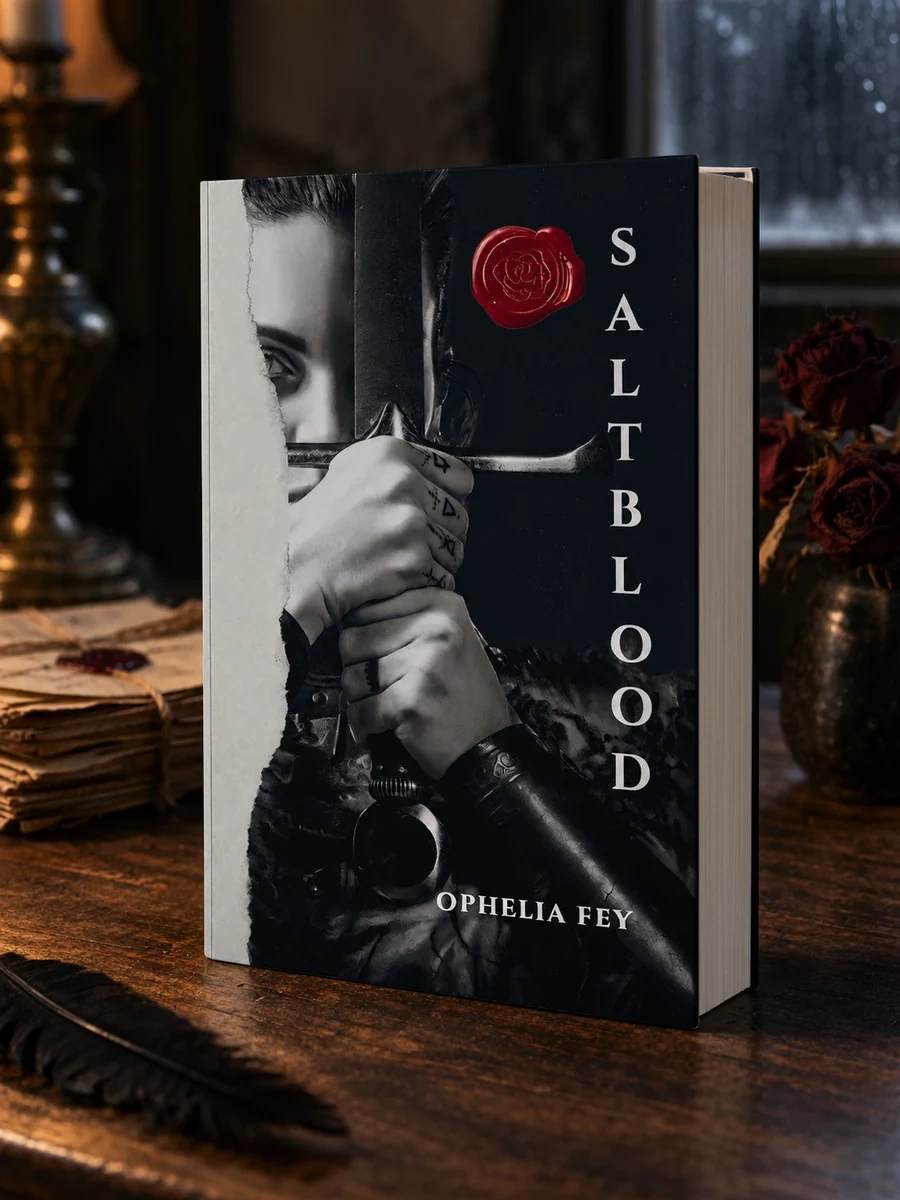
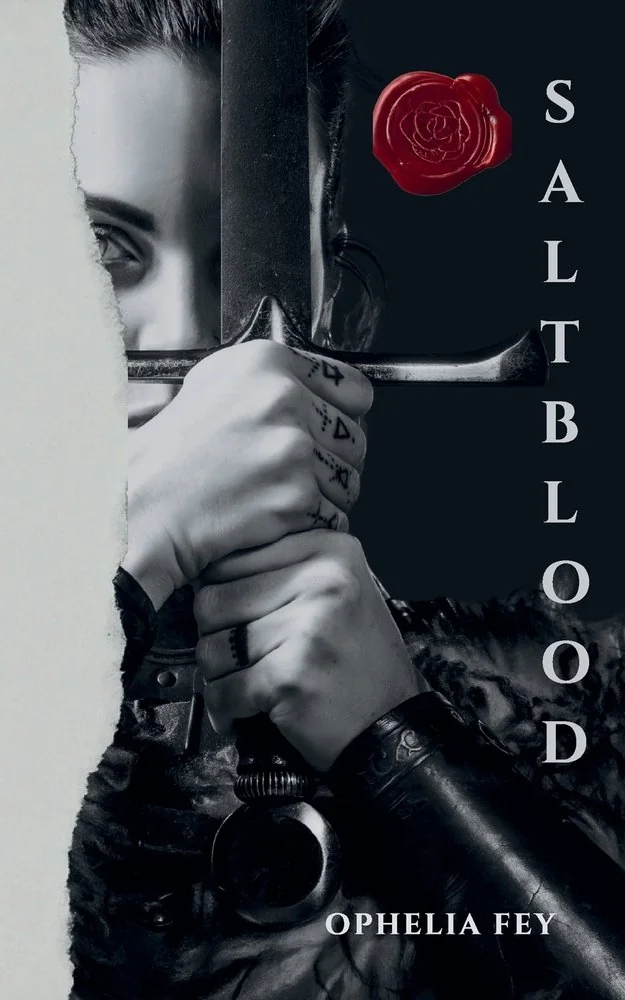
Saltblood: Daughter of the Brine
A folklore horror debut about a girl whose reflection moves on its own.
Eira Vardalok faces a crisis where her memory unravels and her identity fractures under the weight of ancient lineage. Fey uses Norse and Celtic myth to ground the supernatural elements in tangible tradition. The narrative focuses on Eira’s internal struggle as she uncovers the truth about her heritage. She must choose between embracing her destiny or being destroyed by it. The book examines how salt keeps secrets and how the past refuses to stay buried. This thematic focus provides a stark contrast to modern coming-of-age stories, offering instead a darker exploration of what it means to be marked by something older than oneself.
The novel is rooted in Norse and Celtic mythologies, drawing on folklore traditions to create a horror atmosphere. It sits within the genre of supernatural fiction, focusing on ancient lineage and the intersection of the living world with hidden realms where memory and identity are fragile concepts.


📝 Description: Saltblood: Daughter of the Brine
💎 Our verdict on Saltblood: Daughter of the Brine
📖 Why choose it
Why this book is worth reading
Readers who appreciate dark, lyrical explorations of legacy and transformation will find this debut compelling. It offers a stark contrast to conventional coming-of-age narratives by examining what it means to be marked by something older than oneself. Those seeking atmospheric depth over fast-paced action or clear resolutions will gain from its haunting tone. The book serves fans of supernatural fiction who value isolation, dread, and the tension between reality and memory. It is ideal for those interested in how salt keeps secrets and how the past refuses to stay buried, providing a grounded yet eerie experience.
⭐ Reader reviews
Reader rating
Fey successfully constructs a folklore horror narrative where identity fractures under ancestral weight. The motif of mirrors highlights the protagonist’s disconnect from self, creating a sense of isolation appropriate for the genre. By drawing on Norse and Celtic myths, the author grounds supernatural events in tangible tradition, avoiding generic tropes in favor of atmospheric dread. This approach appeals to readers who prioritize thematic depth and ambiguity over conventional horror structures. The work is best suited for those who enjoy slow-burn psychological unraveling and dark fantasy elements. It stands as a strong entry for fans seeking stories where the past actively influences the present through tangible, unsettling means.
You might also like
See more →


Have a question about this item?
Ask about the edition, condition, delivery or anything else — we reply by email or phone, usually within a day.
