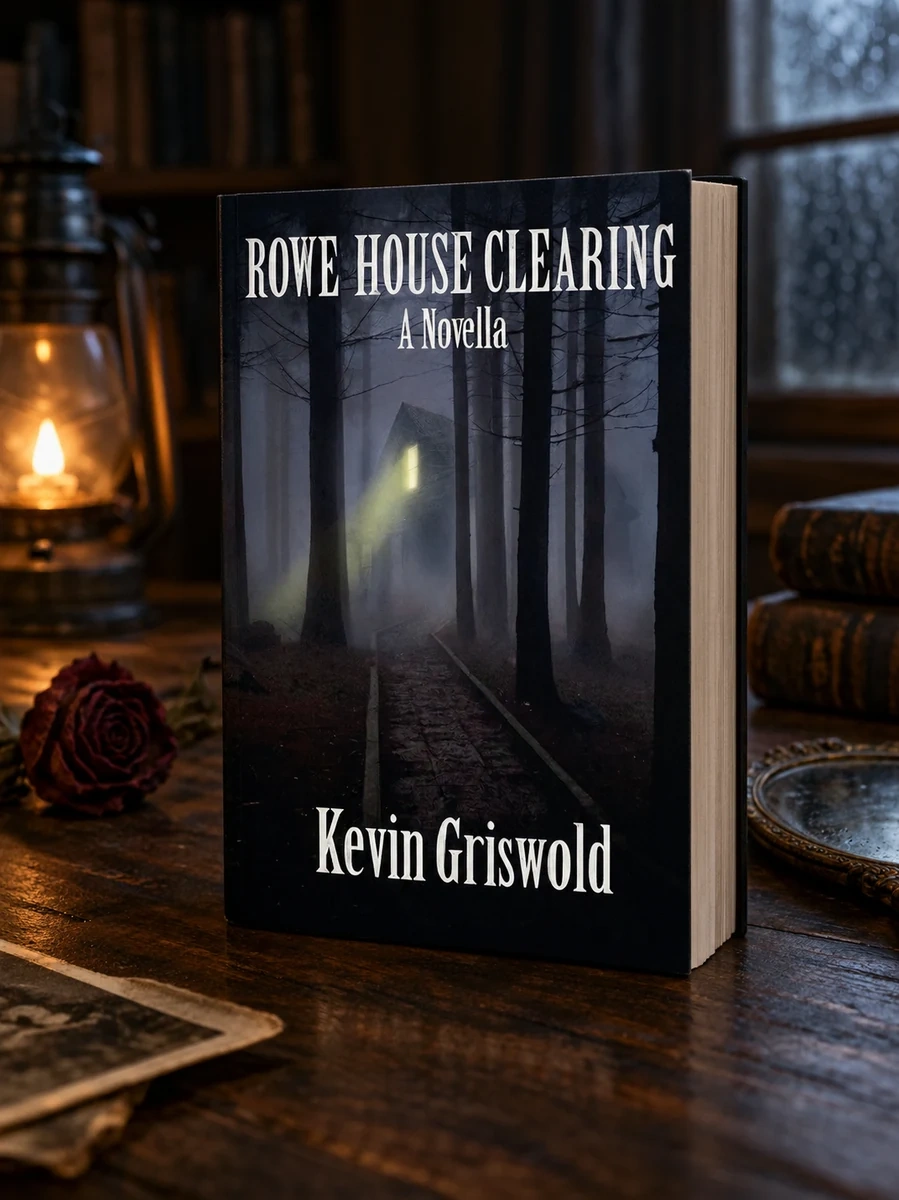
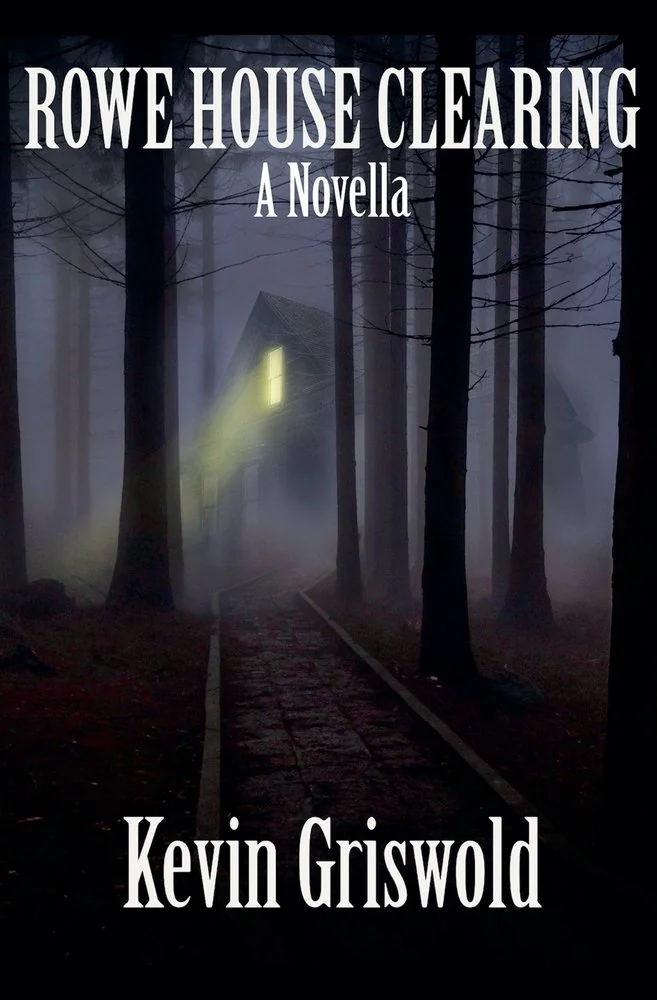
Rowe House Clearing
A professor investigates haunted colonial history in New Hampshire.
The story follows Davey Warren as he moves from South Carolina to White Birch, New Hampshire, to study the history of Rowe House. Built during the 1600s, the site is linked to colonial witch trials and has a long record of visitors reporting strange phenomena. Warren experiences unusual disturbances in the house and the back clearing shortly after arriving. He works with property manager Kelly Barlow to separate historical fact from rumor. The narrative examines whether the colonial legacy creates a psychological effect or if a supernatural entity is actively present. Griswold uses the setting of the 1600s structure to frame modern anxieties about history and place. The plot relies on the tension between academic skepticism and personal experience.
The narrative is set in White Birch, New Hampshire, focusing on a colonial property built in the 1600s. It connects the historical period of early American witch trials with contemporary supernatural fiction traditions found in regional American literature.


📝 Description: Rowe House Clearing
💎 Our verdict on Rowe House Clearing
📖 Why choose it
Why this book is worth reading
Readers who appreciate atmospheric dread over visceral gore will find value in this narrative's deliberate pacing and intellectual engagement. Those interested in the psychological weight of history and the ambiguity of paranormal phenomena will enjoy the tension between academic skepticism and personal experience. Fans of isolated setting horror, particularly those drawn to colonial backdrops and institutional investigations, will appreciate the focus on the interaction between characters and their environment. It offers a serious exploration of place and memory rather than lighthearted entertainment.
⭐ Reader reviews
Reader rating
Griswold successfully constructs a tense atmosphere where the past actively intrudes upon the present. The book excels in its methodical pacing, allowing the mystery of Rowe House to unfold through character interaction and environmental detail rather than cheap jumpscares. The dynamic between Warren’s academic detachment and his growing personal unease drives the narrative effectively. This title is best suited for readers who enjoy slow-burn psychological horror and historical fiction with supernatural elements. It may disappoint those seeking fast-paced action or definitive non-fiction answers, but it rewards patience with a cohesive exploration of regional dread and the lingering power of colonial legacy.
You might also like
See more →






Have a question about this item?
Ask about the edition, condition, delivery or anything else — we reply by email or phone, usually within a day.
