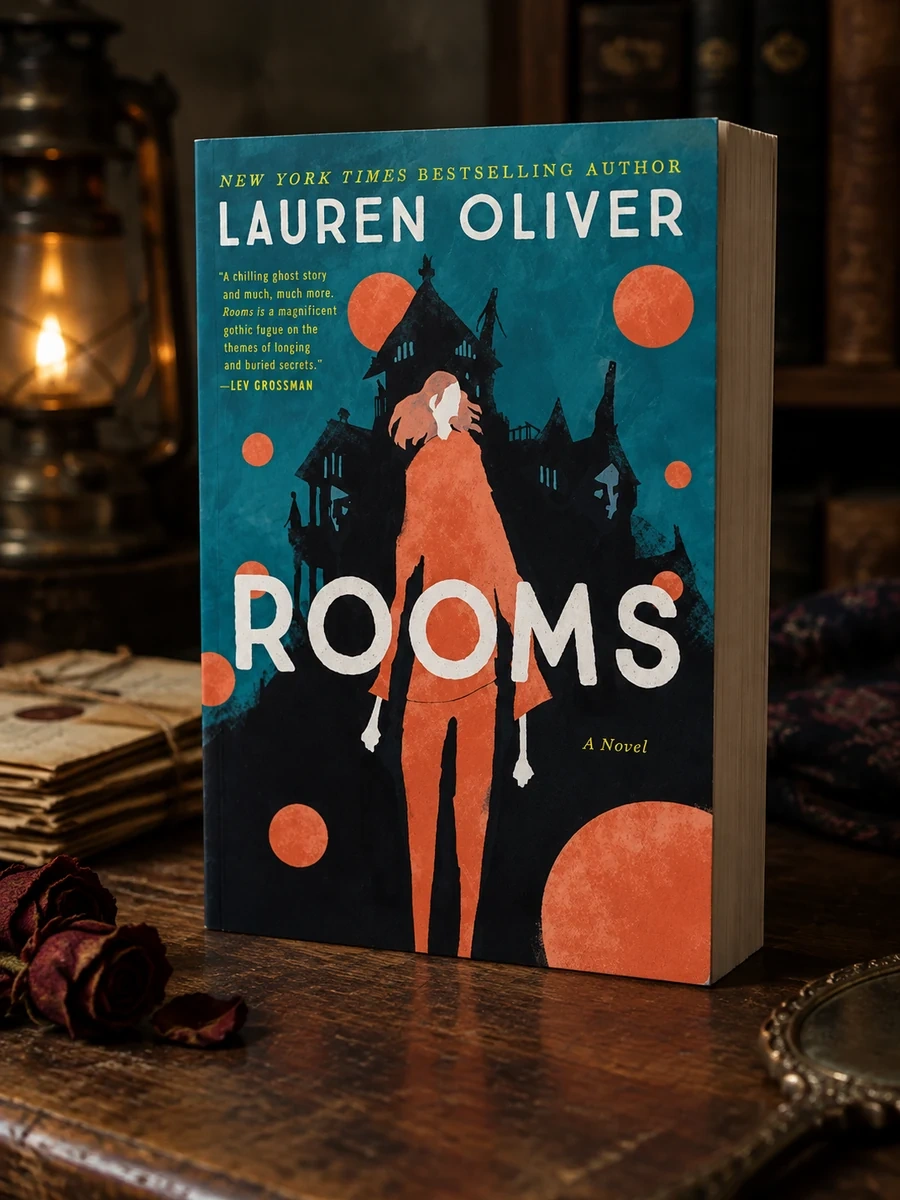

Rooms
A gothic tale of a wealthy man's death and his estranged family's inheritance.
The narrative follows Richard Walker’s estranged relatives as they gather at his country house after his passing. Caroline, Trenton, and Minna arrive expecting a straightforward distribution of assets. Instead, they encounter the lingering presence of the house itself. The structure of the story likely mirrors the physical layout of the rooms, each holding specific memories or horrors. Oliver uses this setting to examine how grief manifests in different ways among family members. The tension arises from both interpersonal conflict and the supernatural elements that refuse to remain passive. This approach creates a claustrophobic environment where characters cannot escape their shared past.
Published in 2015 by Ecco Press, this work fits within the modern gothic tradition. It updates classic themes of ancestral homes and family secrets for contemporary audiences. The setting relies on the specific dynamics of a wealthy American family dealing with loss.


📝 Description: Rooms
💎 Our verdict on Rooms
📖 Why choose it
Why this book is worth reading
Readers who appreciate slow-burn atmospheric horror and complex family dynamics will find this narrative deeply rewarding. It offers a claustrophobic exploration of grief, resentment, and the psychological weight of inherited spaces without relying on graphic violence or jump scares. Those interested in how the past refuses to stay buried within domestic settings will engage with the tension between interpersonal conflict and supernatural unease. However, individuals seeking fast-paced action or definitive resolutions may find the lingering ambiguity frustrating. It is ideal for those who enjoy literary horror that examines human psychology through a dark, gothic lens.
⭐ Reader reviews
Reader rating
Oliver crafts a dense, atmospheric tale where the house itself becomes a character, mirroring the fractured relationships of the Walker family. The narrative effectively utilizes the physical layout to structure psychological dread, creating an oppressive environment where characters cannot escape their shared history. By weaving supernatural elements into contemporary settings, she examines how grief manifests differently among estranged relatives. The book excels in building tension through unresolved familial trauma rather than overt horror tropes. It suits readers who prefer psychological depth and gothic ambiguity over clear-cut plots or graphic violence.
📖 Read on the blog
✍️ More books by this author Lauren Oliver
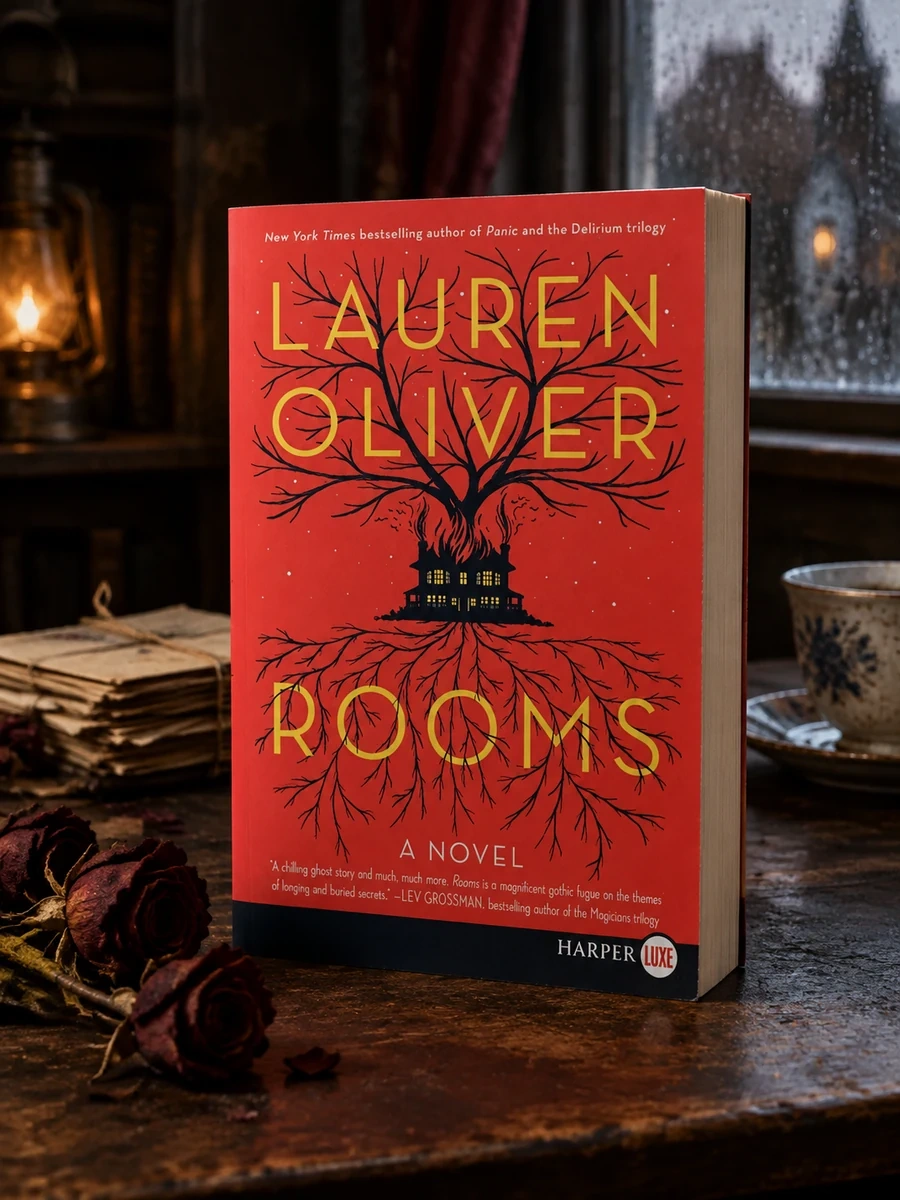


🏛 Books from this publisher Ecco Press
You might also like
See more →



Have a question about this item?
Ask about the edition, condition, delivery or anything else — we reply by email or phone, usually within a day.
