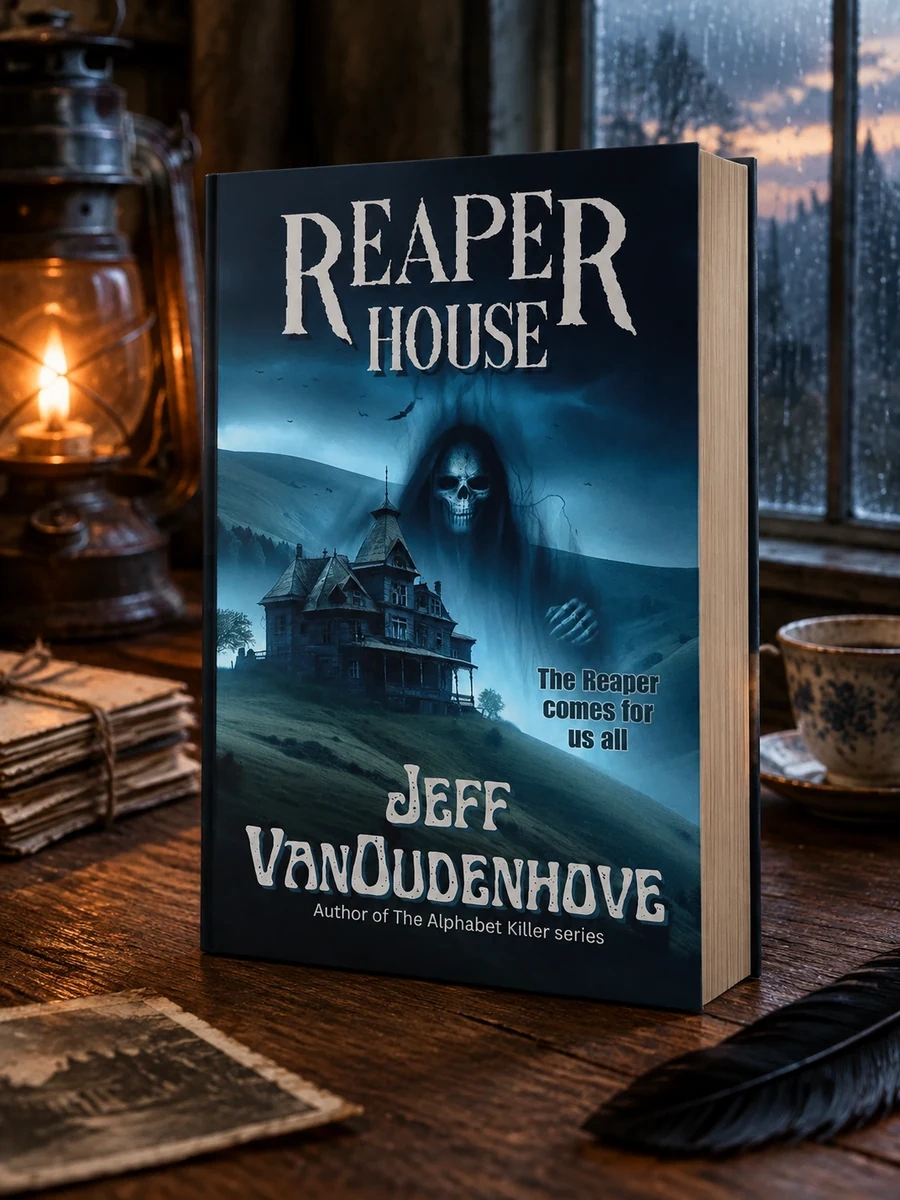
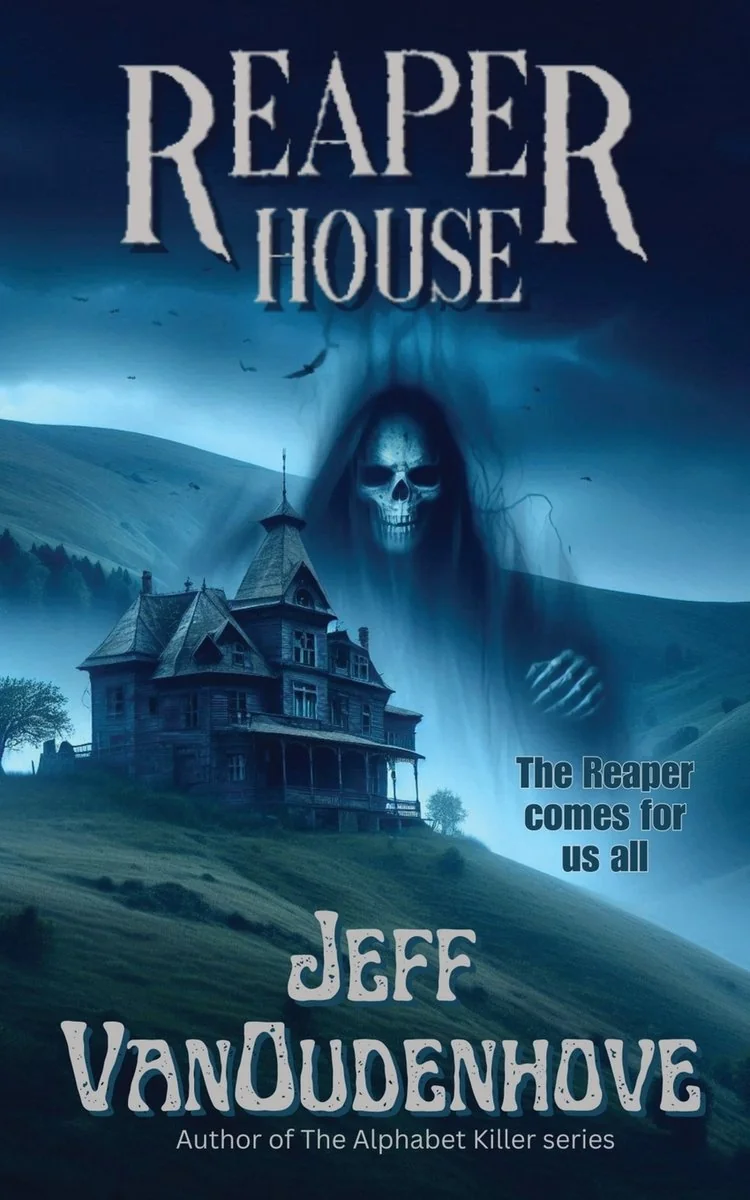
Reaper House
A novel about eight friends confronting a condemned haunted house's dark history.
The text traces the timeline from the 1976 Blue Oyster Cult song to the 2009 massacre at Reaper House. Isabelle Unger killed thirteen individuals within the walls before committing suicide. City officials condemned the site to erase the memory of these events. In 2025, eight friends enter the forbidden property and discover that the tragedy is not over. The narrative suggests that some places hold onto their violence long after the bodies are removed. This approach grounds the supernatural elements in a specific historical context of media and public fear.
The book bridges 1970s rock culture with modern horror tropes. It references the 2009 tragedy at Reaper House and the 2025 events involving eight friends. The narrative uses Blue Oyster Cult's music as a thematic anchor for the supernatural terror that follows.


📝 Description: Reaper House
💎 Our verdict on Reaper House
📖 Why choose it
Why this book is worth reading
Readers who appreciate atmospheric horror grounded in real-world media phenomena will find this narrative compelling. The book offers a chilling exploration of how artistic expression intersects with violent fact, creating a unique tension between the past and present. Fans of ghost stories and psychological horror will enjoy the examination of a condemned estate that refuses to let its history fade. It appeals to those interested in the consequences of disturbing places steeped in death, providing emotional weight rather than just fast-paced action. The connection between a 1970s rock anthem and a modern tragedy provides a fresh perspective on cursed locations, making it ideal for enthusiasts who value historical context within supernatural fiction.
⭐ Reader reviews
Reader rating
Vanoudenhove effectively utilizes the gothic tradition to explore the lingering darkness of a condemned mansion, grounding supernatural elements in a specific historical context. By linking the narrative to Blue Oyster Cult’s anthem, the author creates a chilling contrast between artistic expression and violent reality. The structure connects cultural moments with modern horror, appealing to readers who enjoy atmospheric tales about haunted estates. It suits those seeking emotional weight over lighthearted entertainment. The condemnation of the property serves as a failed barrier against the past, offering a nuanced look at public fear. While it may not satisfy those craving pure action, it delivers a thoughtful, eerie examination of why some places hold onto their violence long after the bodies are removed.
You might also like
See more →



Have a question about this item?
Ask about the edition, condition, delivery or anything else — we reply by email or phone, usually within a day.
