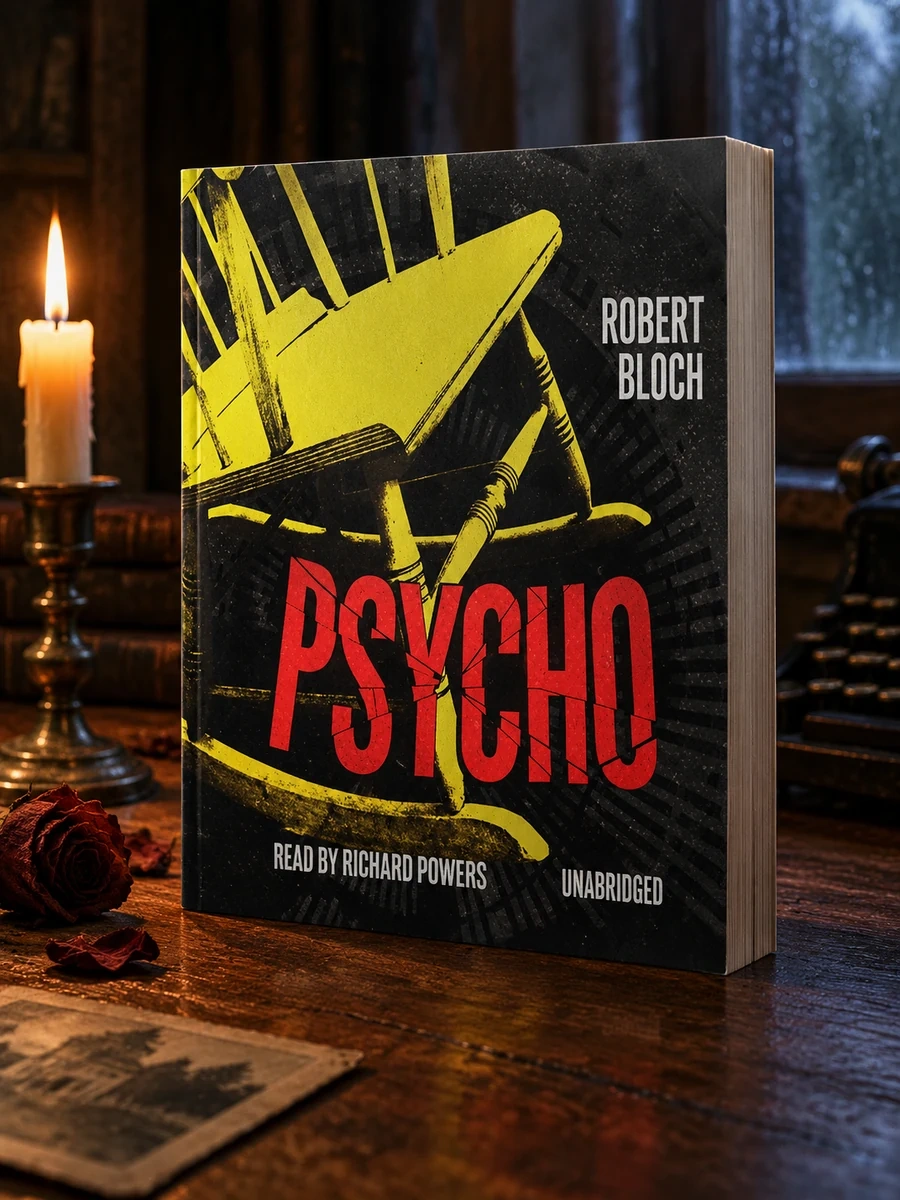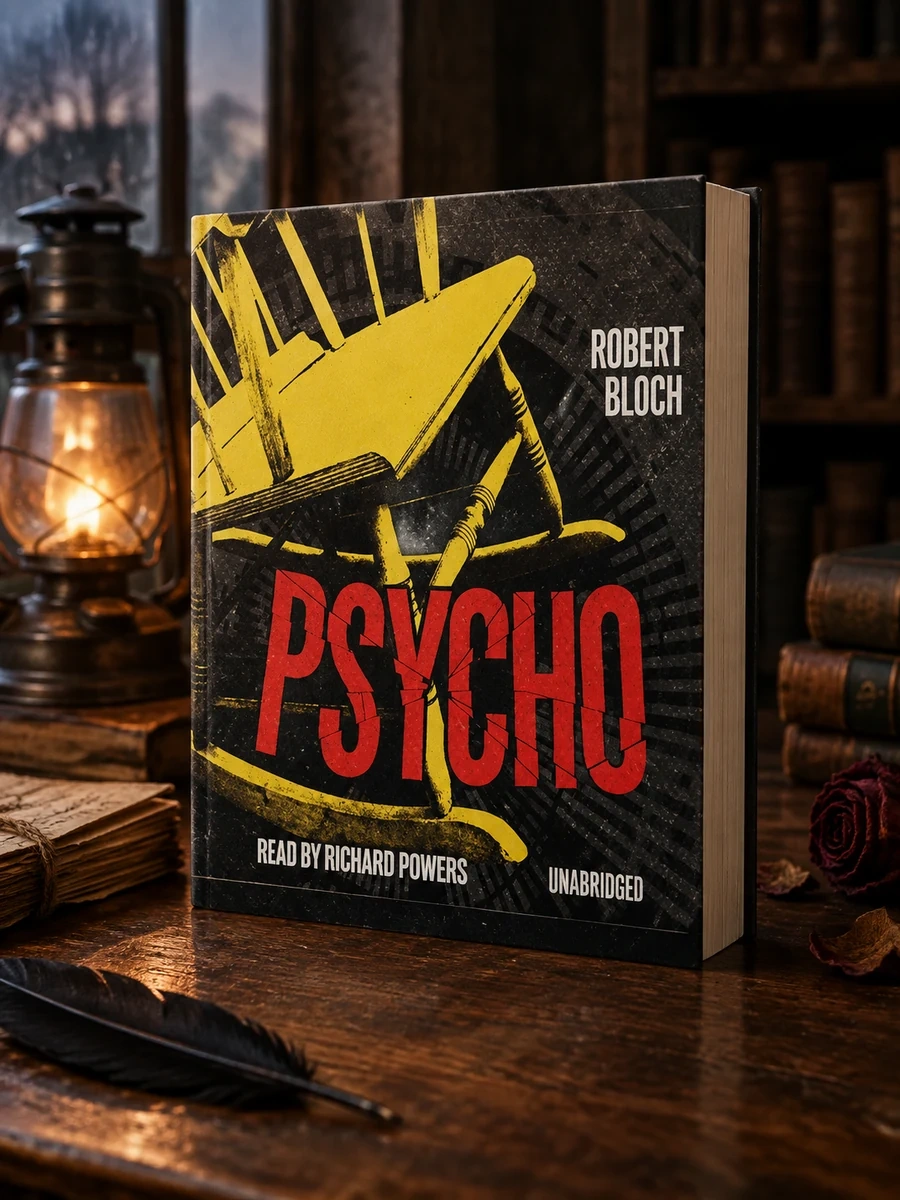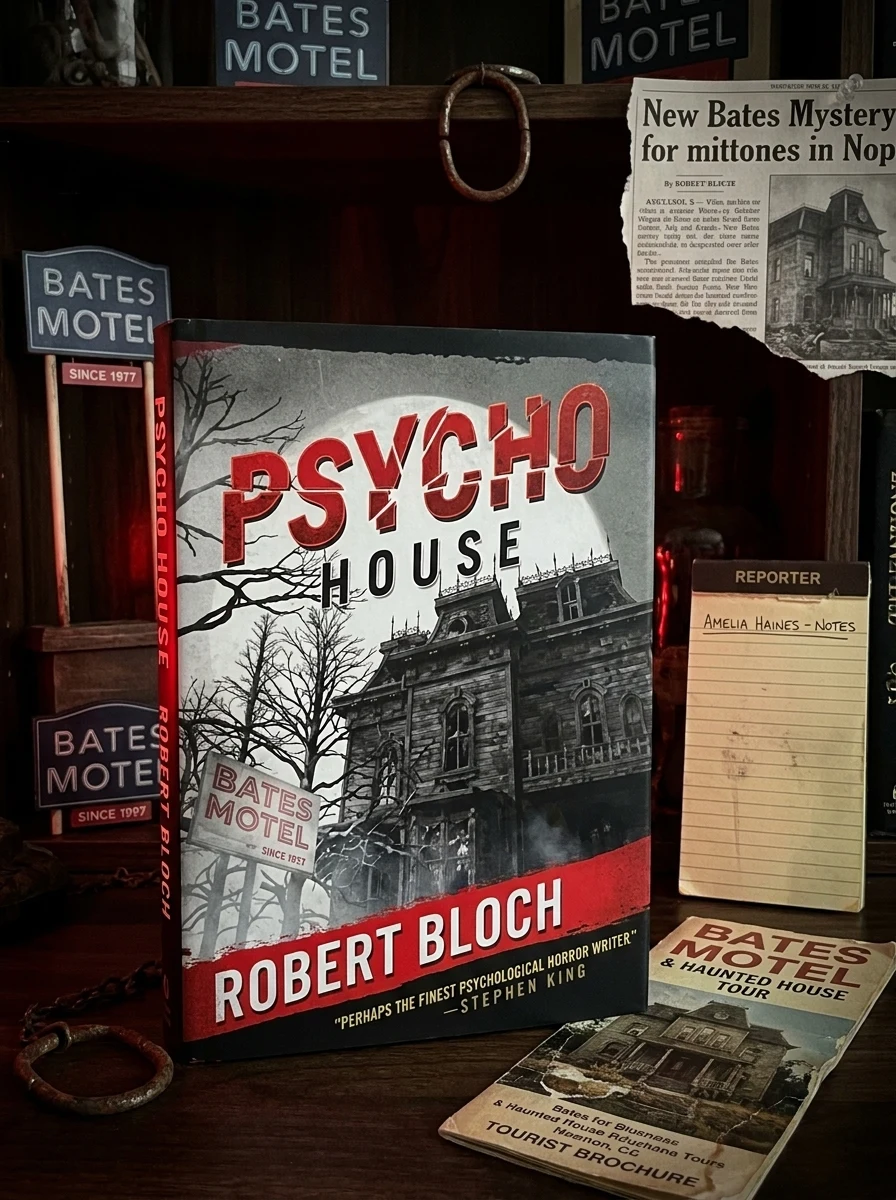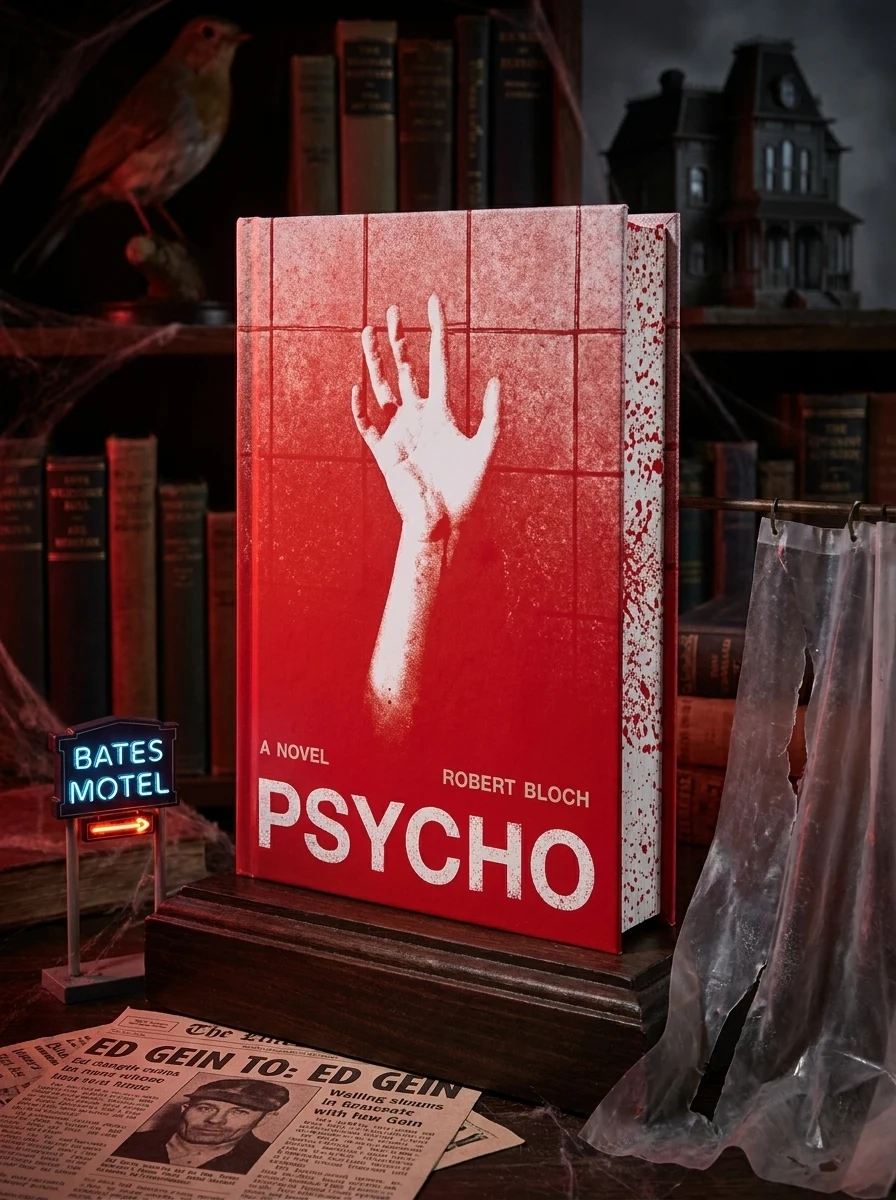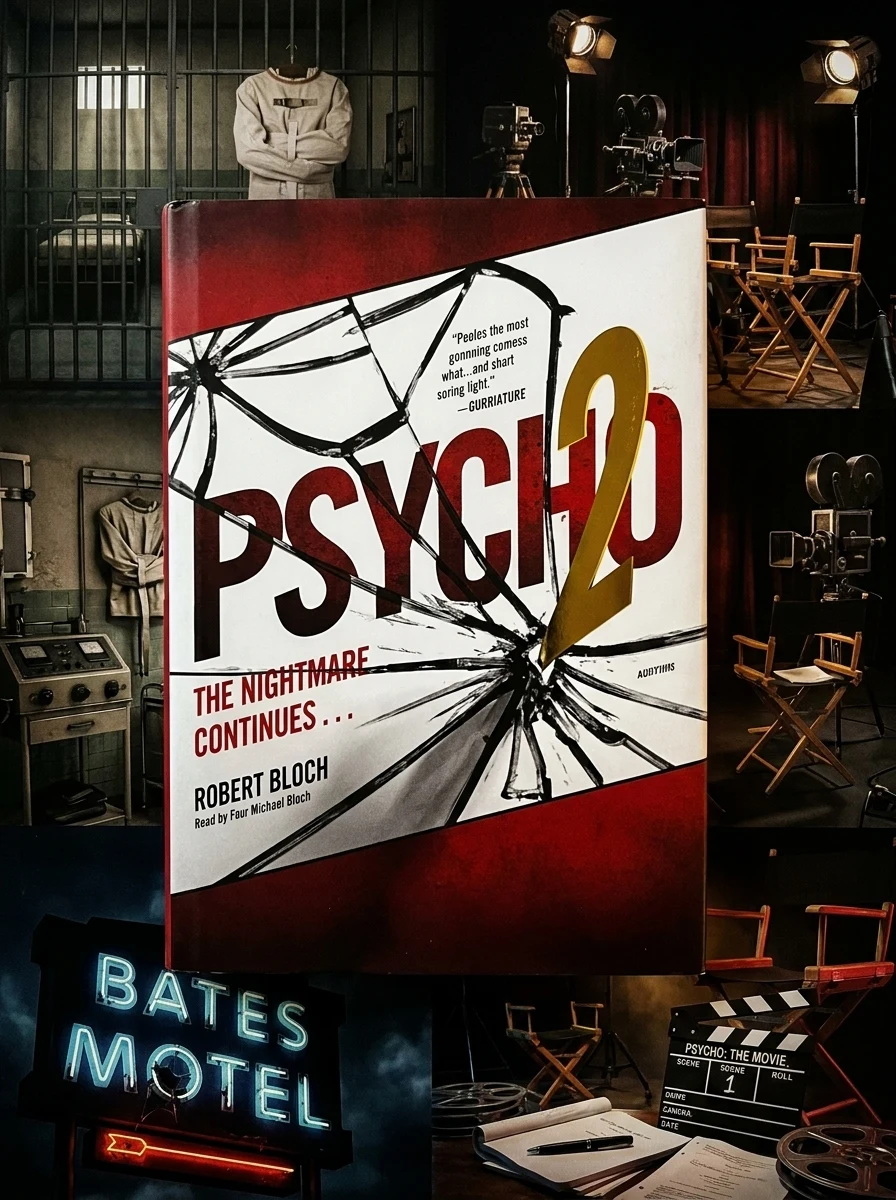

Psycho II
Currently unavailable
This book is sold out right now. Leave your email — we'll let you know if it comes back, and you'll get 10% off any book today.
In stock now — readers of this book also loved:





A sequel following Norman Bates to Hollywood during a film production.
This volume continues the saga of the infamous motel manager who has left his institutional care. He travels west, where a biopic about his life is being shot. The production becomes a catalyst for renewed violence. Bloch uses this setting to explore how public fascination with true crime can fuel further deviance. The text does not shy away from the grotesque but focuses on the psychological mechanics of the protagonist. It questions the ethics of entertainment when it profits from tragedy. Readers will find a cold, calculated examination of fame and infamy.
Published in 2013 by Blackstone Publishing, this edition continues the legacy of Robert Bloch's character. It sits within the tradition of American horror fiction that examines the dark side of fame and media consumption.


📝 Description: Psycho II
💎 Our verdict on Psycho II
📖 Why choose it
Why this book is worth reading
Readers interested in the complex mechanics of fame and infamy will find this narrative compelling. It appeals to those who enjoy dissecting the ethics of entertainment when it profits from tragedy. The book offers a cold, calculated examination of how media representation influences behavior and perception. Those seeking a deep character study within a suspenseful framework will appreciate the deliberate pacing. It is ideal for audiences curious about the dangerous precision with which art imitates life. The text provides a thought-provoking look at the feedback loop between criminal psychology and public consumption, avoiding simple jump scares in favor of intellectual engagement.
⭐ Reader reviews
Reader rating
Bloch delivers a sophisticated sequel that blurs the line between performance and reality through its Hollywood setting. The narrative successfully examines how media representation can influence behavior, creating a tense atmosphere where the screen and street dissolve into one another. While not suitable for those seeking straightforward gore or rapid action, the deliberate pacing rewards readers with a complex character study. The book excels in exploring the psychological mechanics of the protagonist against the backdrop of a biopic production. It is best suited for audiences interested in the intersection of cinema and criminal psychology, offering a chilling reflection on the ethics of profiting from tragedy without providing easy answers about sanity or guilt.