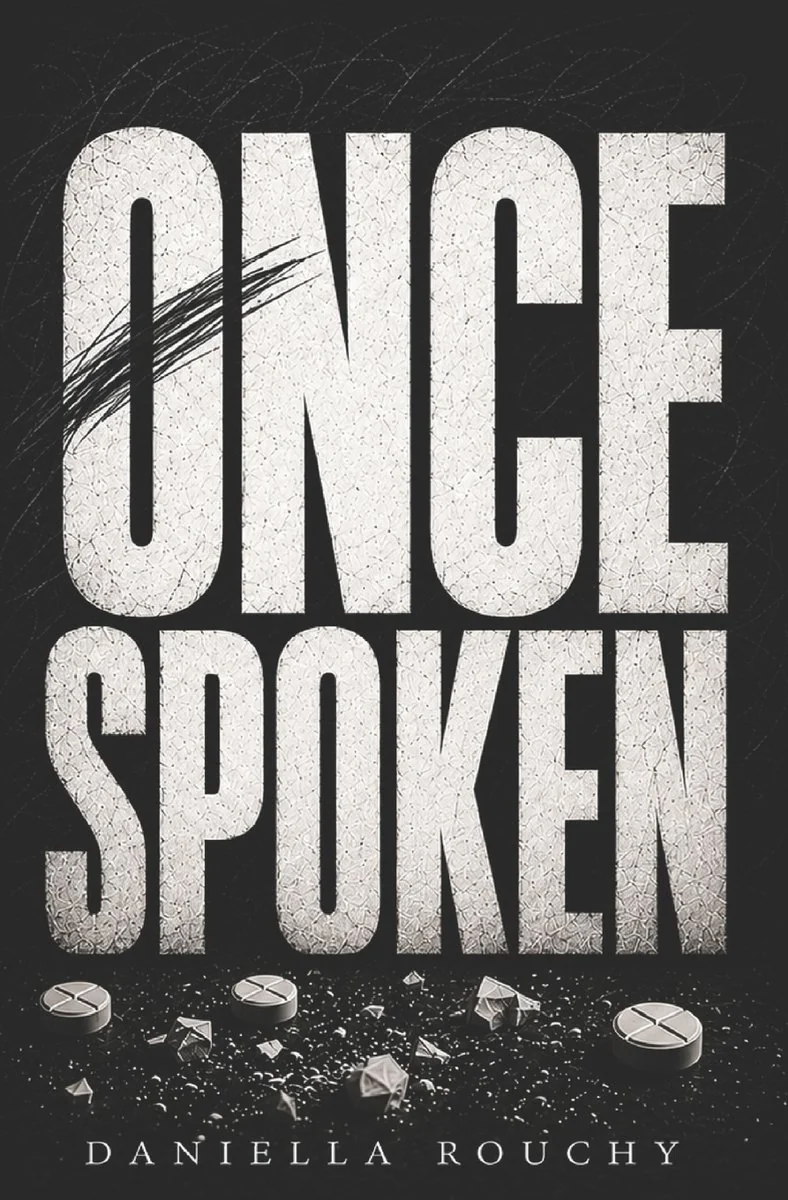
Once Spoken
A novella about insomnia where speaking nightmares destroys reality.
Charlie’s years of insomnia culminate in a collapse of her perceived reality. The text focuses on her struggle to distinguish between sleeping and waking states. Time perception warps, and memories fail to remain consistent. This disintegration is linked to the act of naming her fears. Rouchy structures this as a psychological horror novella that examines grief and the supernatural. The narrative does not offer escape but rather a deepening into the consequences of vocalizing internal terror. Readers familiar with gothic fiction will recognize the emphasis on mental decay over physical threat. The story remains grounded in Charlie’s subjective experience of time slipping away.
This novella sits within the tradition of American psychological horror and supernatural fiction. Published independently in 2026, it draws on themes of gothic dread and mental instability. The work aligns with contemporary interests in internal fears and the blurring of reality.


📝 Description: Once Spoken
💎 Our verdict on Once Spoken
📖 Why choose it
Why this book is worth reading
Readers who appreciate atmospheric tension and the exploration of mental unraveling will find this work compelling. It offers a deep dive into the intersection of grief, insomnia, and supernatural dread. Those interested in stories where the horror stems from internal anxieties rather than external monsters will gain satisfaction from Charlie’s subjective experience. The novella provides a unique examination of how vocalizing fear can destroy perceived reality, appealing to fans of slow-burn psychological terror who value tone and theme over plot resolution.
⭐ Reader reviews
Reader rating
Daniella Rouchy crafts a haunting narrative that prioritizes the erosion of sanity over conventional scares. By focusing on Charlie’s subjective experience as time warps and memories fail, the text creates an immersive sense of dread. The emphasis on naming fears as a catalyst for reality's collapse is a potent thematic device. This work suits readers who enjoy gothic fiction and psychological horror, particularly those interested in the supernatural implications of mental illness. It avoids fast-paced action, instead offering a lingering exploration of grief and fear. While not suitable for those seeking jump scares, it rewards patience with a profound look at the consequences of externalizing internal terror through voice.