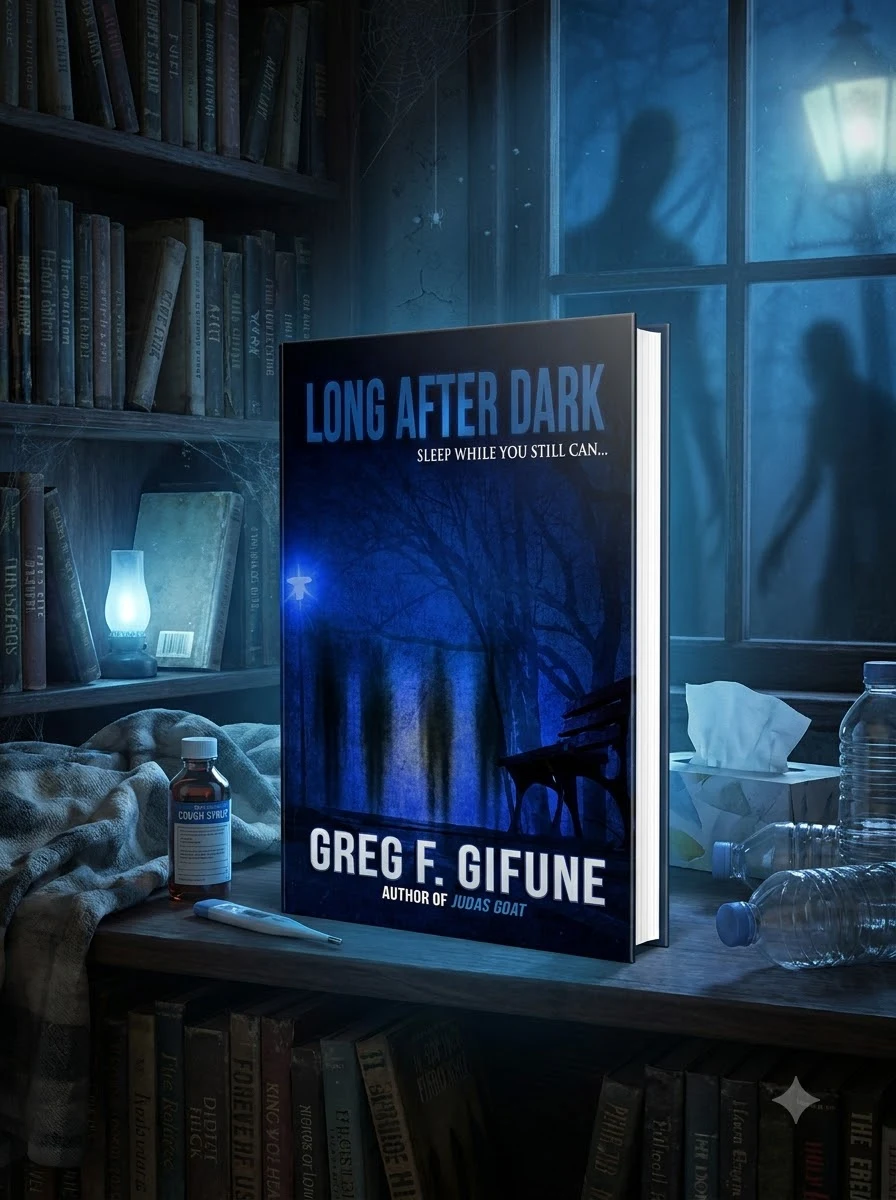
Long After Dark
A man's insomnia reveals terrifying supernatural truths in his isolated home.
This work examines the breakdown of sanity through the lens of physical illness and isolation. Gifune utilizes the setting of an empty house to amplify Harry Fremont's internal terror. The plot relies on sensory details like fever, coughing, and visual distortions to create a sense of unease. It avoids jump scares in favor of psychological pressure. The author draws on gothic literature traditions where the home becomes a prison of the mind. The story is organized around Harry's deteriorating perception rather than external action. This approach allows for a deep exploration of fear derived from helplessness and confusion.
Greg F. Gifune writes within the contemporary American horror tradition, specifically targeting fans of psychological and gothic fiction. Published by Macabre Ink in 2019, this work aligns with modern interests in bodily horror and mental instability. It appeals to readers who enjoy slow-burn narratives that prioritize atmosphere over action.


📝 Description: Long After Dark
💎 Our verdict on Long After Dark
📖 Why choose it
Why this book is worth reading
Readers who appreciate slow-burn terror rooted in isolation and bodily decay will find this compelling. It is ideal for those who enjoy psychological pressure over jump scares and prefer narratives that explore the breakdown of sanity through physical illness. Those drawn to gothic traditions where the home becomes a prison of the mind will appreciate the deep exploration of fear derived from helplessness and confusion. This book suits individuals seeking intense, disturbing fiction that immerses them in agony rather than offering escape or clear resolutions.
⭐ Reader reviews
Reader rating
Gifune masterfully utilizes sensory details like fever, coughing, and visual distortions to create a profound sense of unease within an empty house. By organizing the plot around Harry's deteriorating perception rather than external action, the narrative achieves a deep exploration of paranoia and supernatural deception. The text avoids traditional mystery tropes in favor of a descent into madness. It effectively draws upon gothic literature traditions to amplify internal terror. Readers who value atmospheric dread and the erosion of mental stability through isolation will find this work both unsettling and intellectually stimulating.
📖 Read on the blog
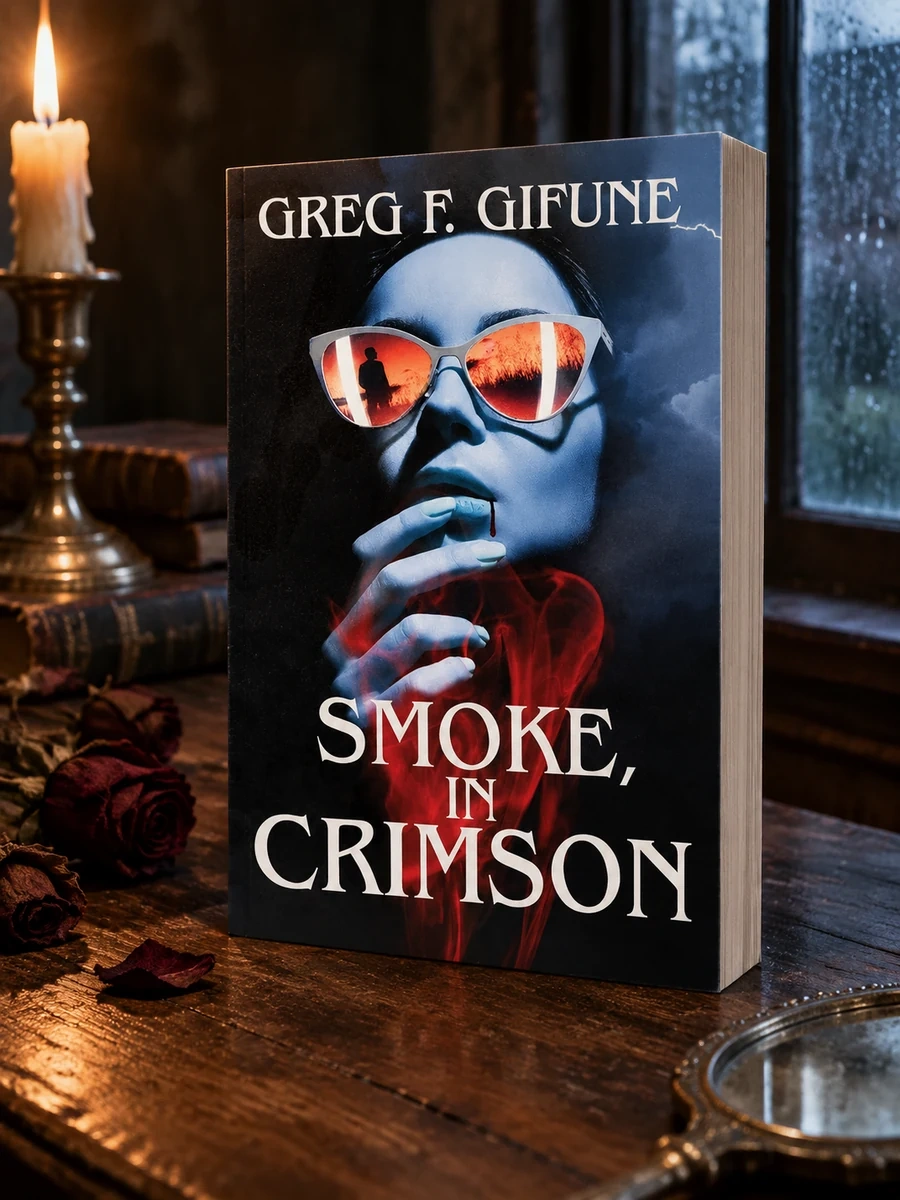
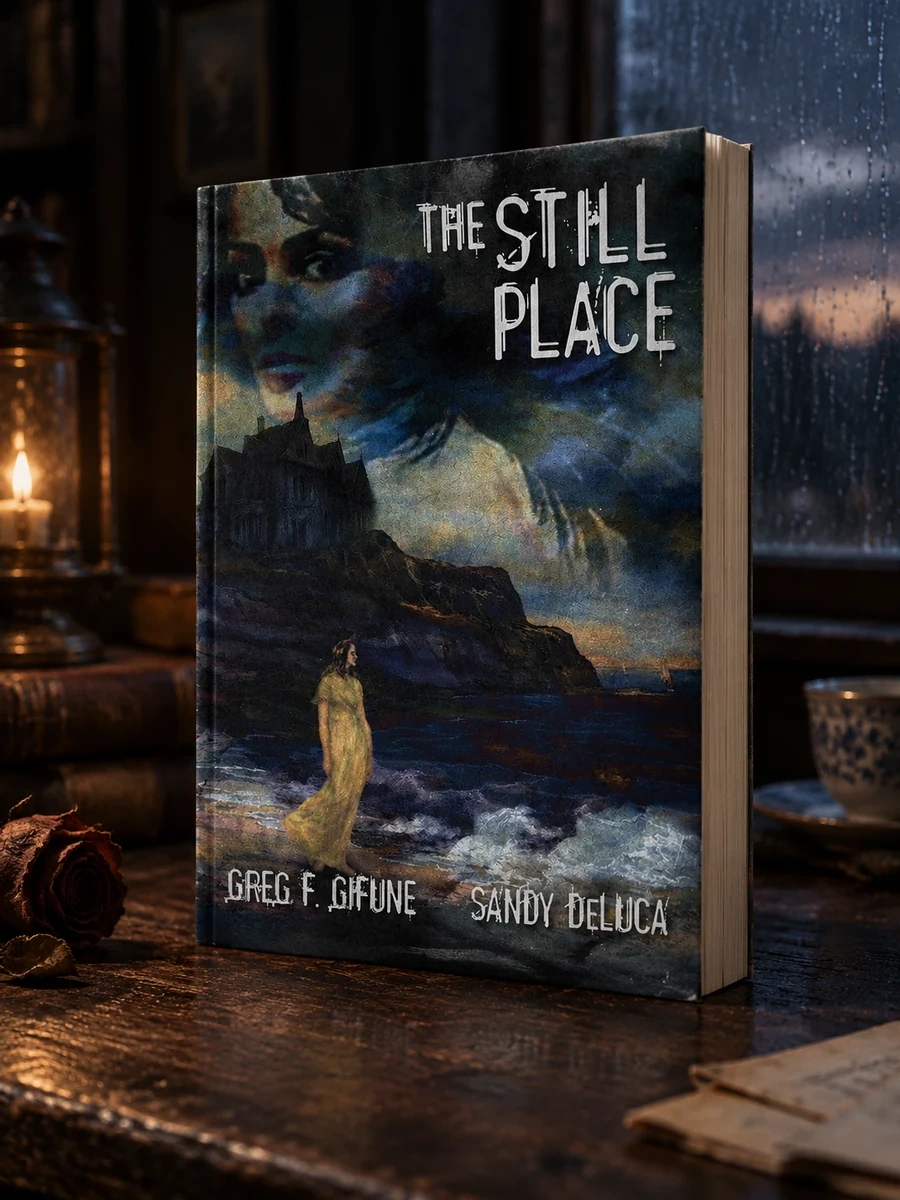
✍️ More books by this author Greg F Gifune


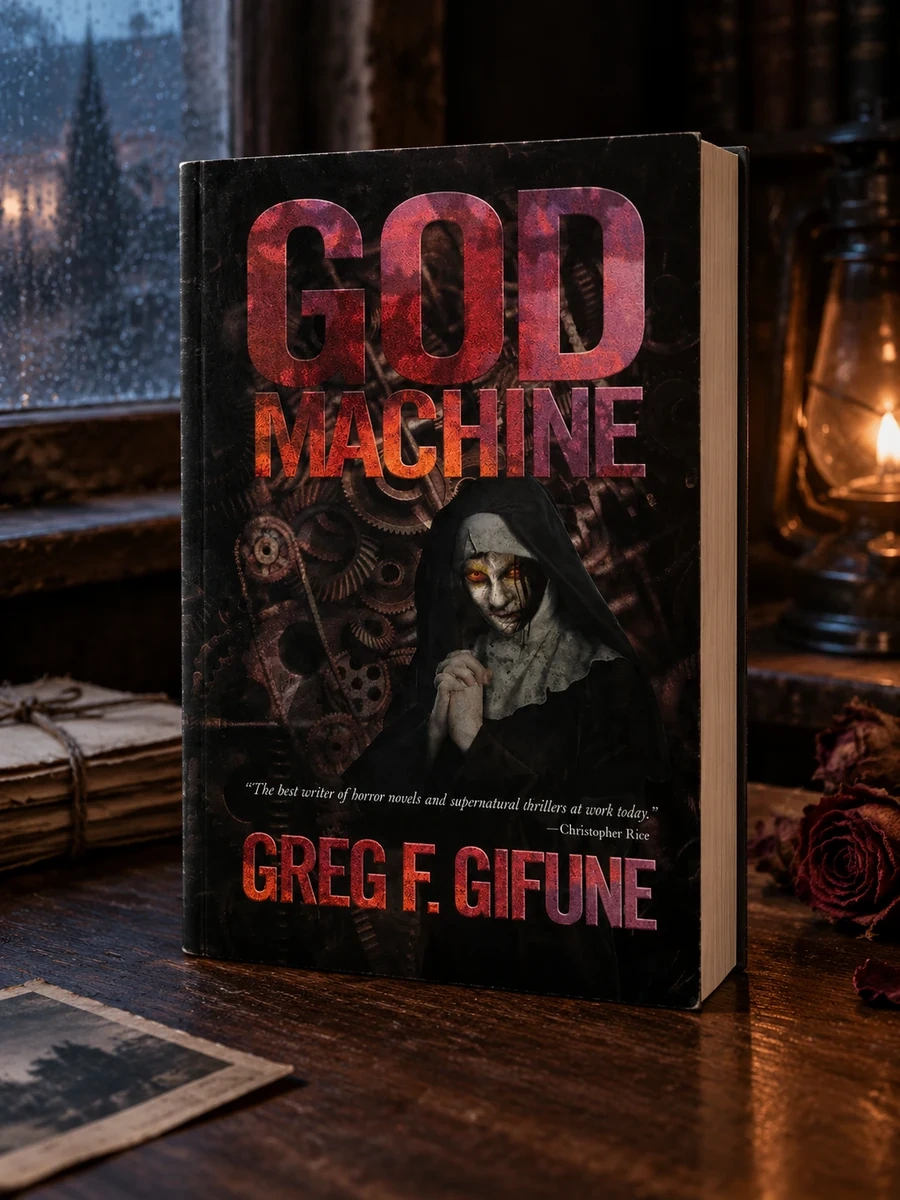
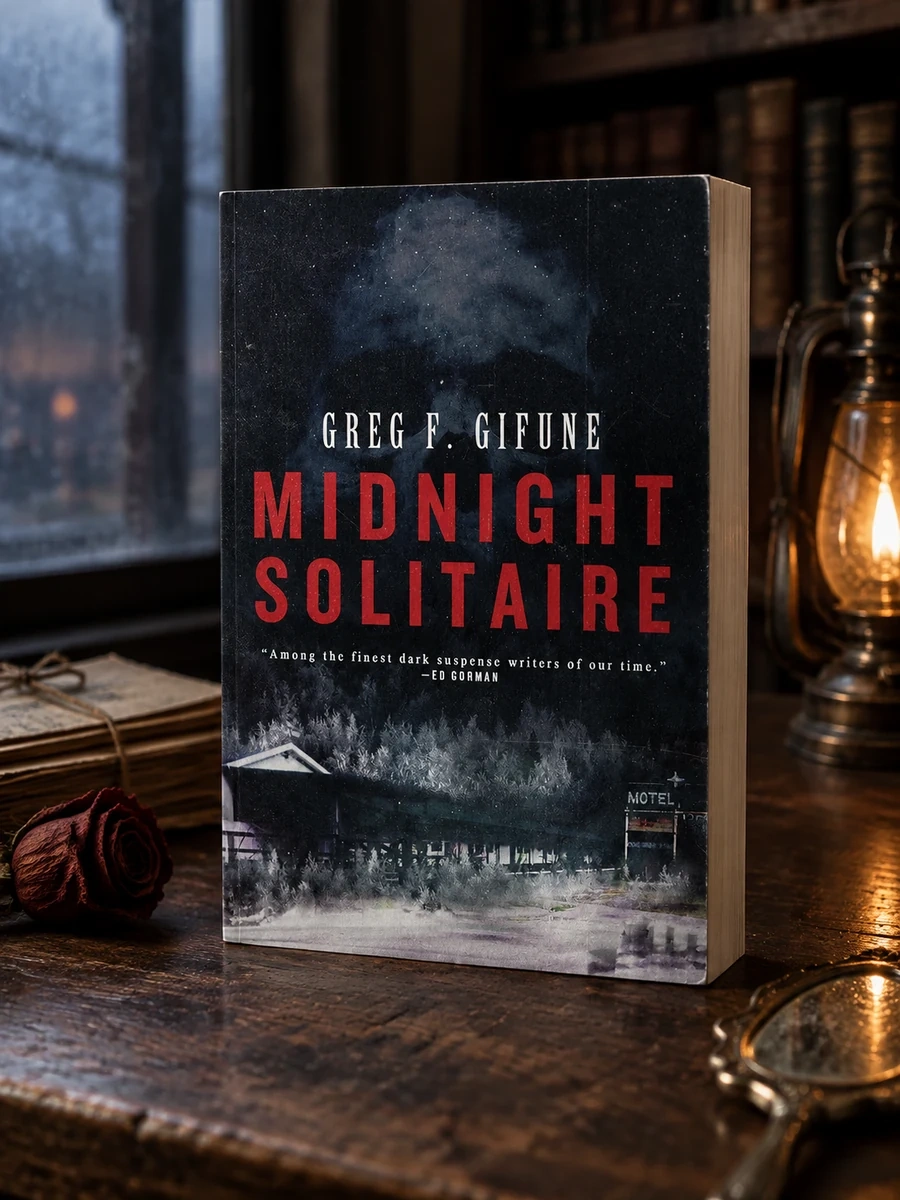
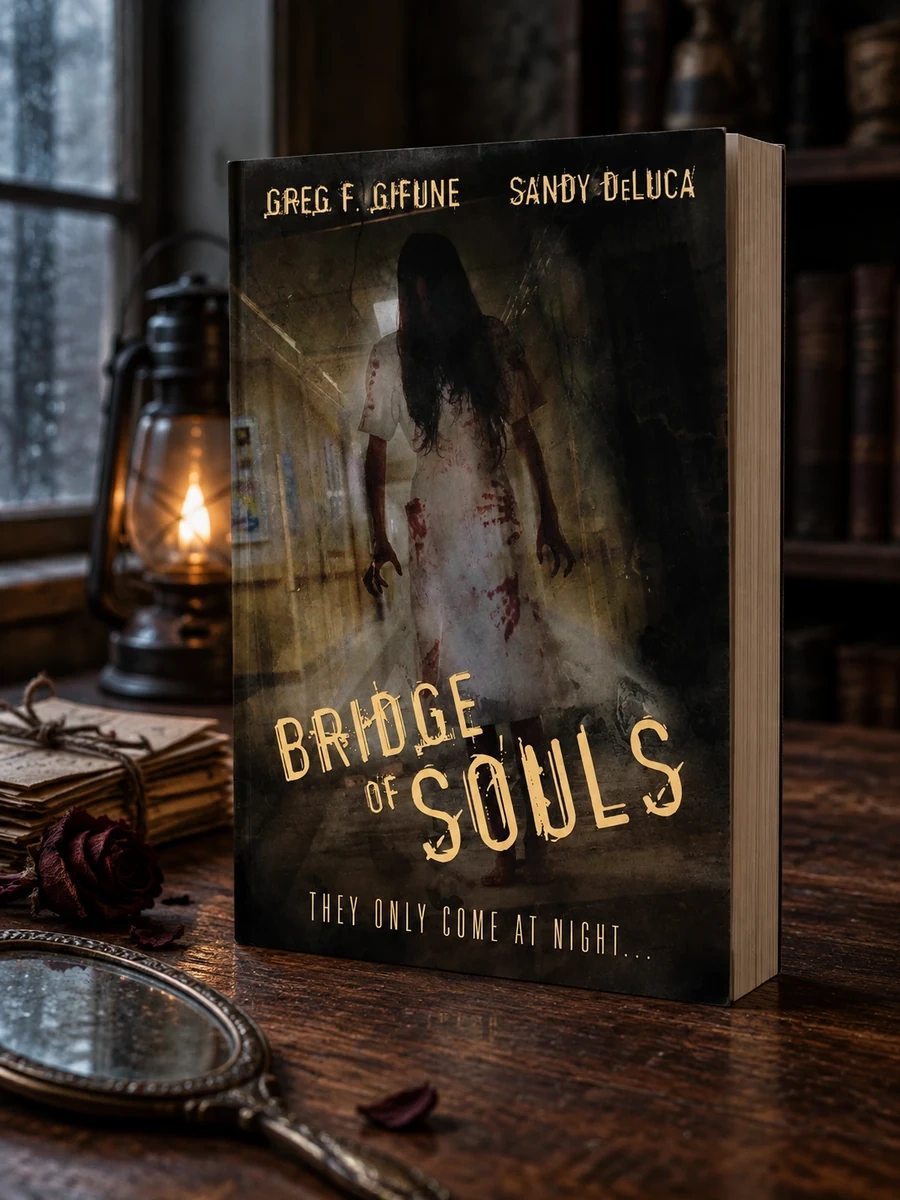
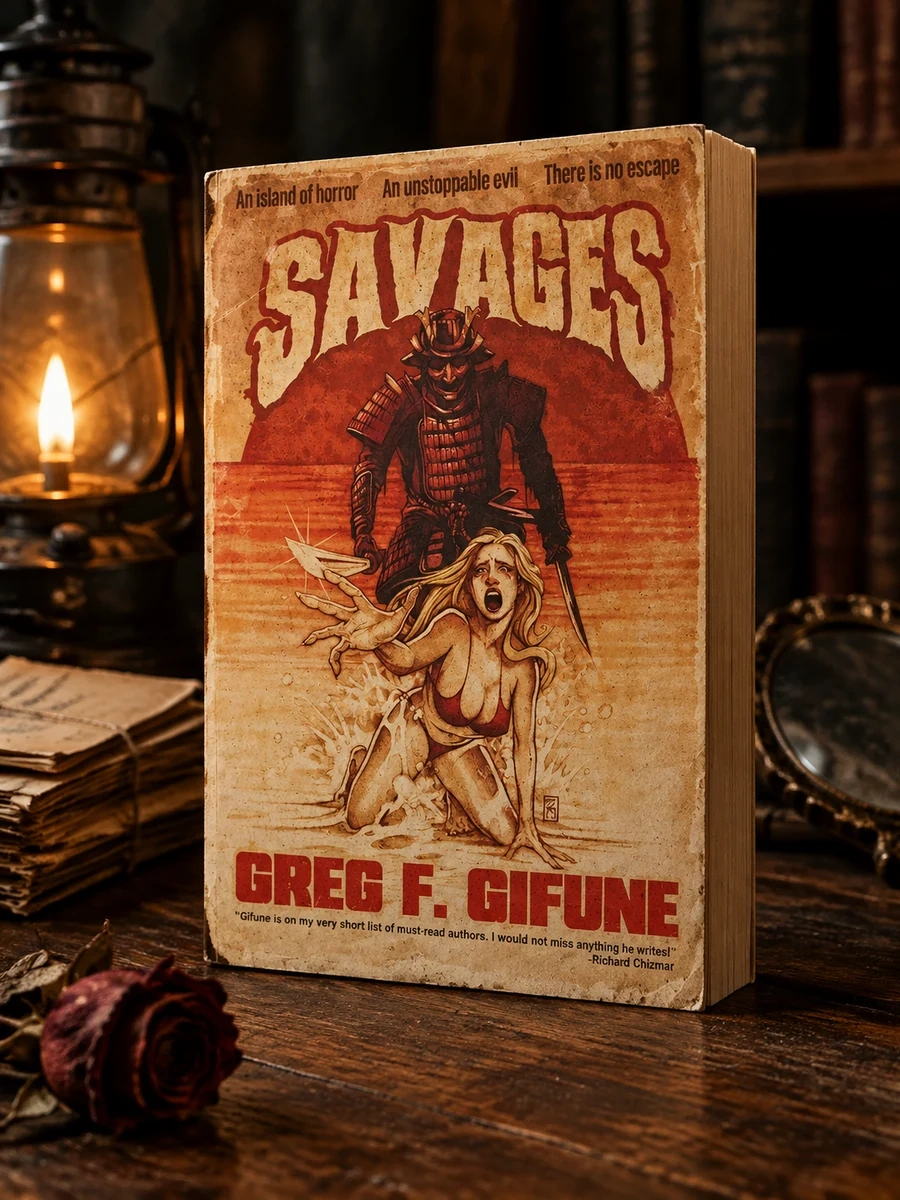
🏛 Books from this publisher Macabre Ink
You might also like
See more →
Have a question about this item?
Ask about the edition, condition, delivery or anything else — we reply by email or phone, usually within a day.
