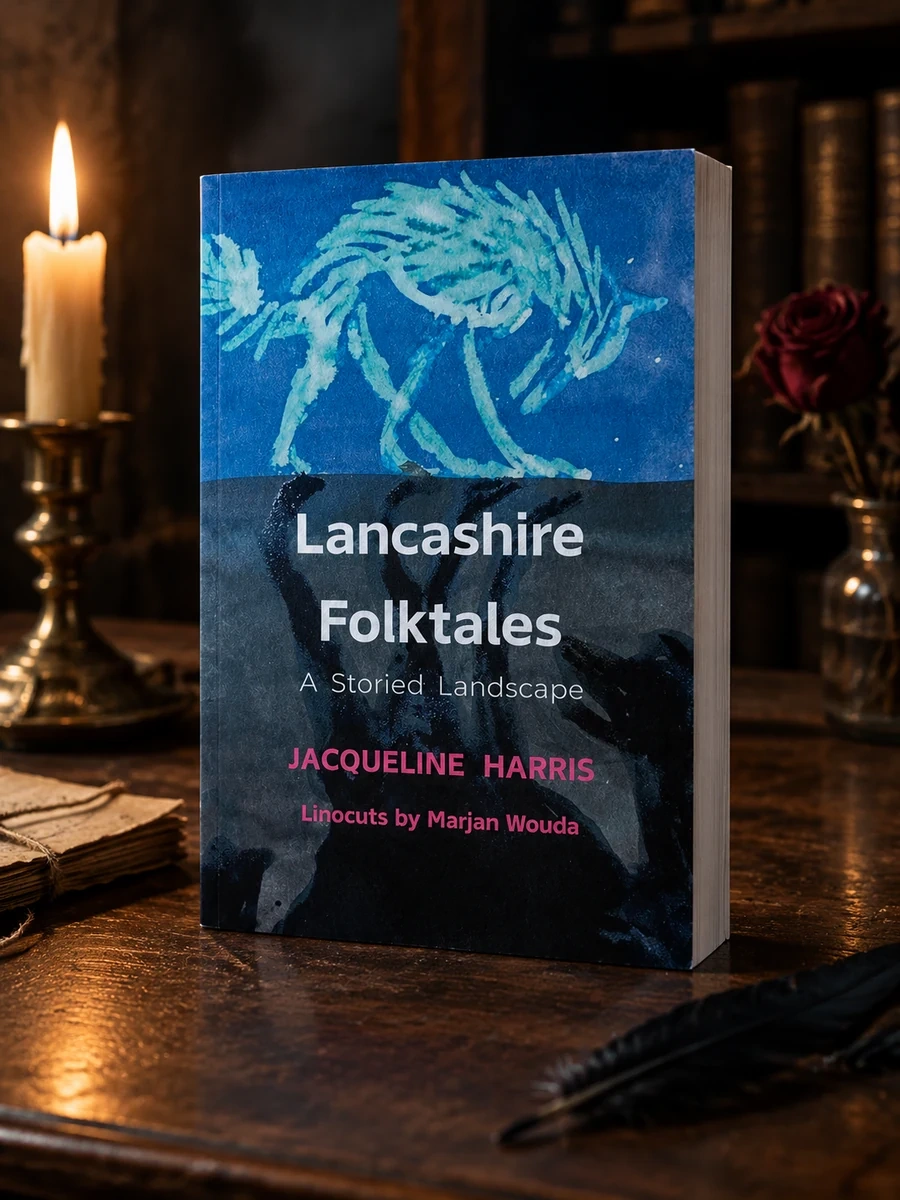
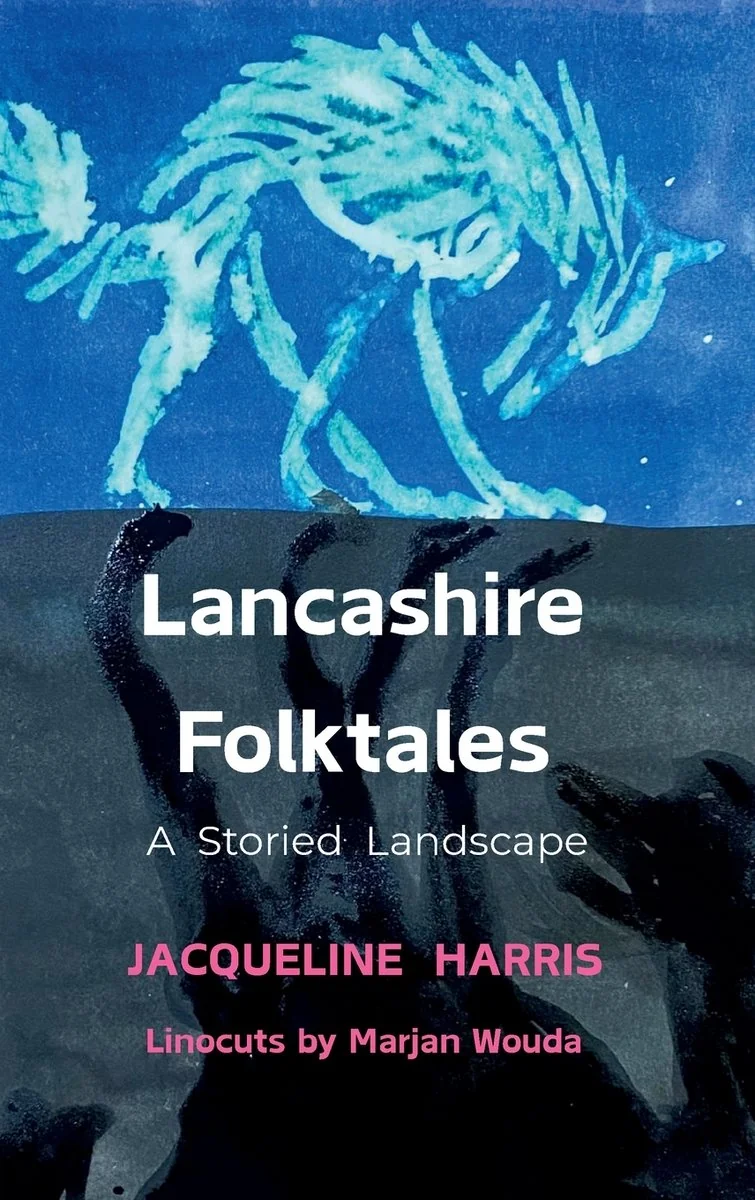
Lancashire Folktales
Jacqueline Harris reimagines Lancashire folklore with art by Marjan Wouda.
This volume bridges regional history and modern ethical concerns through carefully selected narratives. Harris draws upon the physical landscape of Lancashire to shape each tale, ensuring the geology and geography influence the story’s core. The inclusion of an essay on transmission provides context for how these stories survive and change over time. Wouda’s lino-cut plates offer a visual counterpoint to the text, grounding the abstract themes in tangible art. The book does not merely retell old myths but uses them to explore current social values like inclusivity. It invites readers to consider how place shapes identity and moral frameworks. The detailed notes allow for deeper investigation into the origins of each piece.
Jacqueline Harris draws on Lancashire’s specific history and landscape to reshape traditional narratives. The work connects regional storytelling traditions with contemporary discussions on social values. Marjan Wouda’s presence in the region for twenty-five years informs the artistic interpretation, linking Dutch artistry to local English folklore.


📝 Description: Lancashire Folktales
💎 Our verdict on Lancashire Folktales
📖 Why choose it
Why this book is worth reading
Readers seeking a contemplative exploration of place-based identity will find this volume deeply rewarding. It appeals to those interested in how geography shapes moral frameworks and community bonds, offering a unique perspective on Lancashire’s history through the lens of kindness and inclusivity. The inclusion of Marjan Wouda’s lino-cut plates provides a tangible visual counterpoint that grounds abstract themes, making it suitable for enthusiasts of graphic arts alongside folklore. It is an ideal choice for audiences who value gentle meaning-making over shock value, allowing for deeper investigation into story origins through detailed notes while reflecting on our relationship with the natural world.
⭐ Reader reviews
Reader rating
Jacqueline Harris presents a sophisticated reimagining of Lancashire folklore that bridges regional history with contemporary ethical concerns. By grounding each tale in the region’s specific geology and geography, she ensures the landscape actively influences the narrative core. The accompanying lino-cut plates by Marjan Wouda offer a striking visual counterpoint, enhancing the text without overwhelming it. This collection excels in its quiet reflection on place and community, addressing modern values like inclusivity through traditional myth structures. It is best suited for readers interested in ecological themes and regional history. Those seeking fast-paced supernatural horror or strict academic analysis may find the focus on gentle meaning-making less appealing, but for the right audience, it stands as a profound meditation on identity.
📖 Read on the blog
✍️ More books by this author Jacqueline Harris
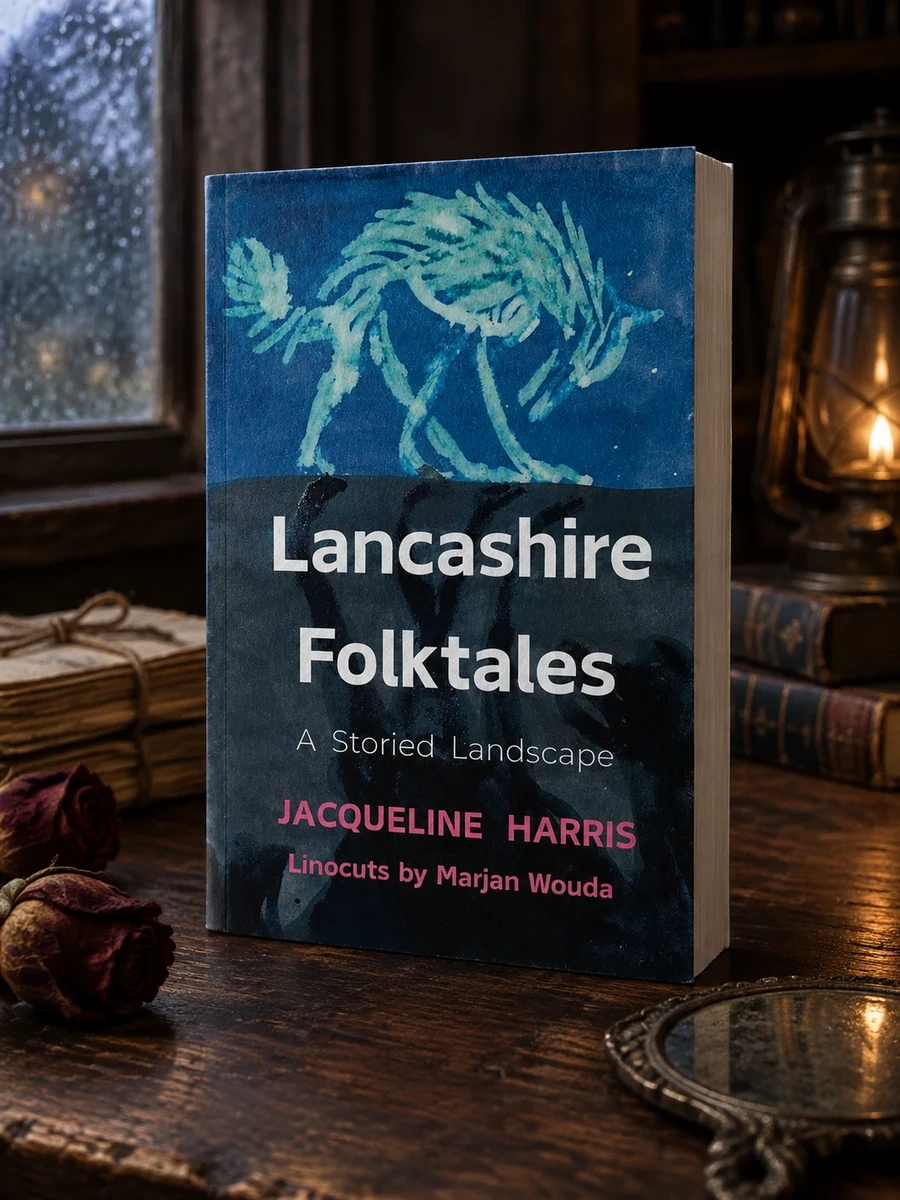


🏛 Books from this publisher Storywheel Press
You might also like
See more →


Have a question about this item?
Ask about the edition, condition, delivery or anything else — we reply by email or phone, usually within a day.
