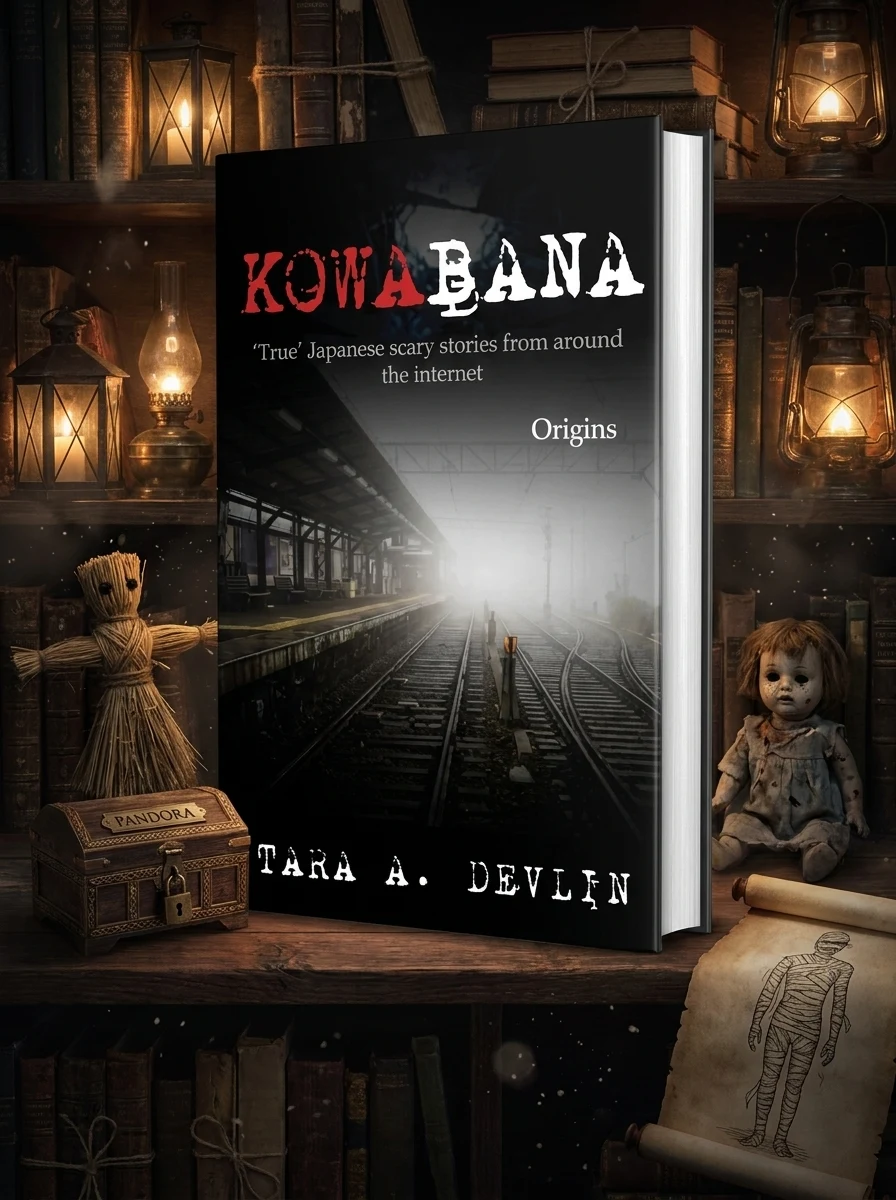
Kowabana: 'True' Japanese scary stories from around the internet: Origins
A collection of twenty-six translated Japanese creepypasta stories compiled by Tara Devlin.
This volume examines the intersection of traditional Japanese myth and modern digital storytelling. Devlin highlights how online communities have created new entities like the mummy Ryoumen Sukuna and the house Pandora, blending ancient fears with contemporary anxieties. The book does not merely list scary tales but traces the lineage of these stories within Japan's specific cultural context. Readers encounter characters such as Kunekune and Hisaruki, whose origins are tied to local superstitions adapted for the internet age. The work serves as a bridge between Eastern horror aesthetics and Western audiences, presenting narratives that challenge conventional notions of what constitutes a scary story. It focuses on the unique characteristics of Japanese digital folklore, offering insights into how fear is constructed and shared in Japan's online spaces.
The book draws on Japan's thriving creepypasta culture, presenting stories that have circulated within its digital communities. It highlights how Eastern horror traditions differ from Western counterparts like Jeff the Killer, offering a distinct perspective on supernatural fiction rooted in Japanese online folklore.


📝 Description: Kowabana: 'True' Japanese scary stories from around the internet: Origins
💎 Our verdict on Kowabana: 'True' Japanese scary stories from around the internet: Origins
📖 Why choose it
Why this book is worth reading
Readers interested in comparative horror studies or those seeking unfamiliar supernatural fiction rooted in Japanese folklore and modern internet lore will gain significantly from this collection. It offers a unique glimpse into Eastern horror traditions that differ substantially from Western urban legends like Slender Man. By presenting narratives that challenge conventional notions of scary stories, the book serves as an essential bridge for Western audiences eager to understand how fear is constructed and shared in Japan's online spaces. It appeals to those who appreciate the lineage of digital entities such as Ryoumen Sukuna or the house Pandora, providing insight into the specific mythological frameworks that define this subgenre.
⭐ Reader reviews
Reader rating
Tara Devlin successfully compiles twenty-six translated Japanese creepypasta stories, offering a compelling examination of how traditional myths evolve within digital communities. The volume excels in tracing the lineage of these tales, introducing figures like Kunekune and Hisaruki with necessary cultural context that enriches the reading experience. It effectively bridges Eastern horror aesthetics with Western audiences, presenting narratives that challenge conventional definitions of terror. This collection is best suited for readers interested in comparative horror studies or those seeking unfamiliar supernatural fiction rooted in Japanese folklore. However, it may disappoint those preferring traditional print folklore over digital-age urban legends or those who find psychological terror less engaging than visceral gore.
📖 Read on the blog
📖 From the series “Kowabana”
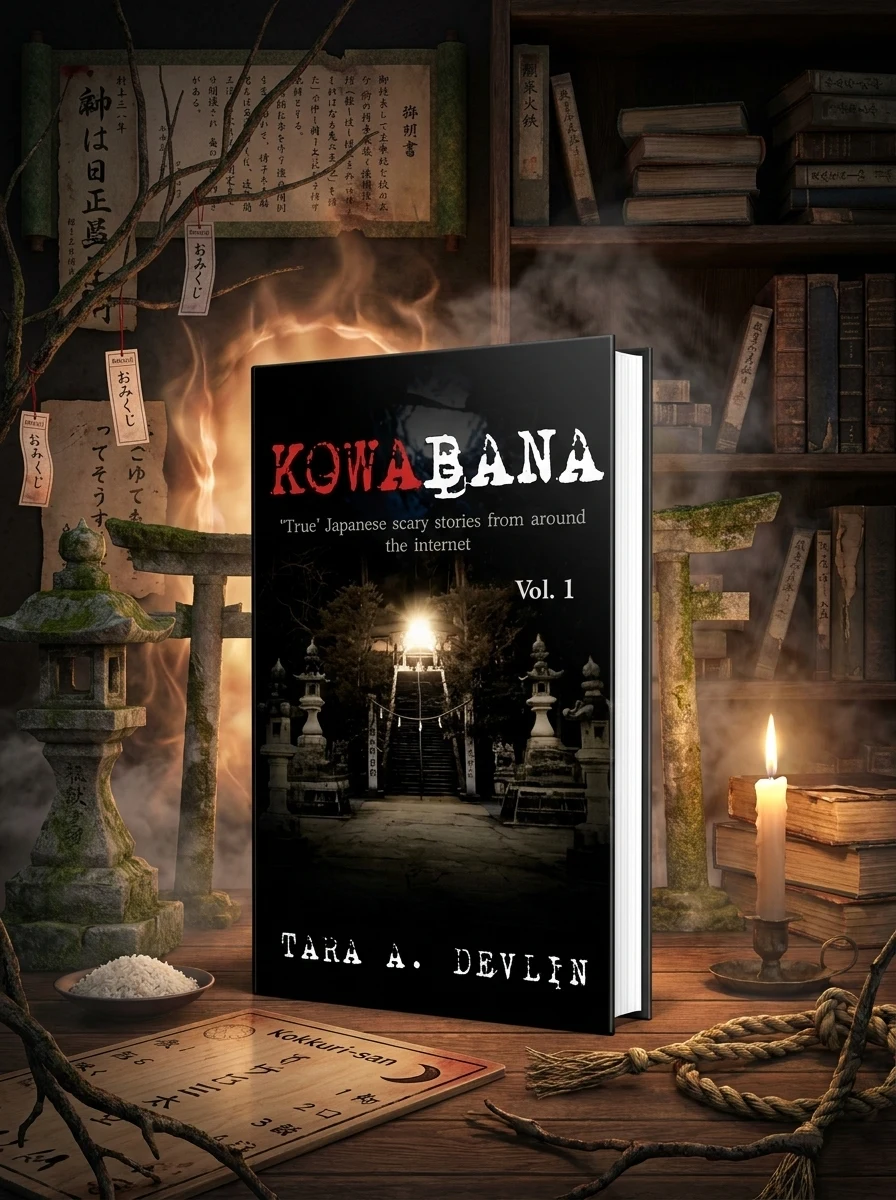




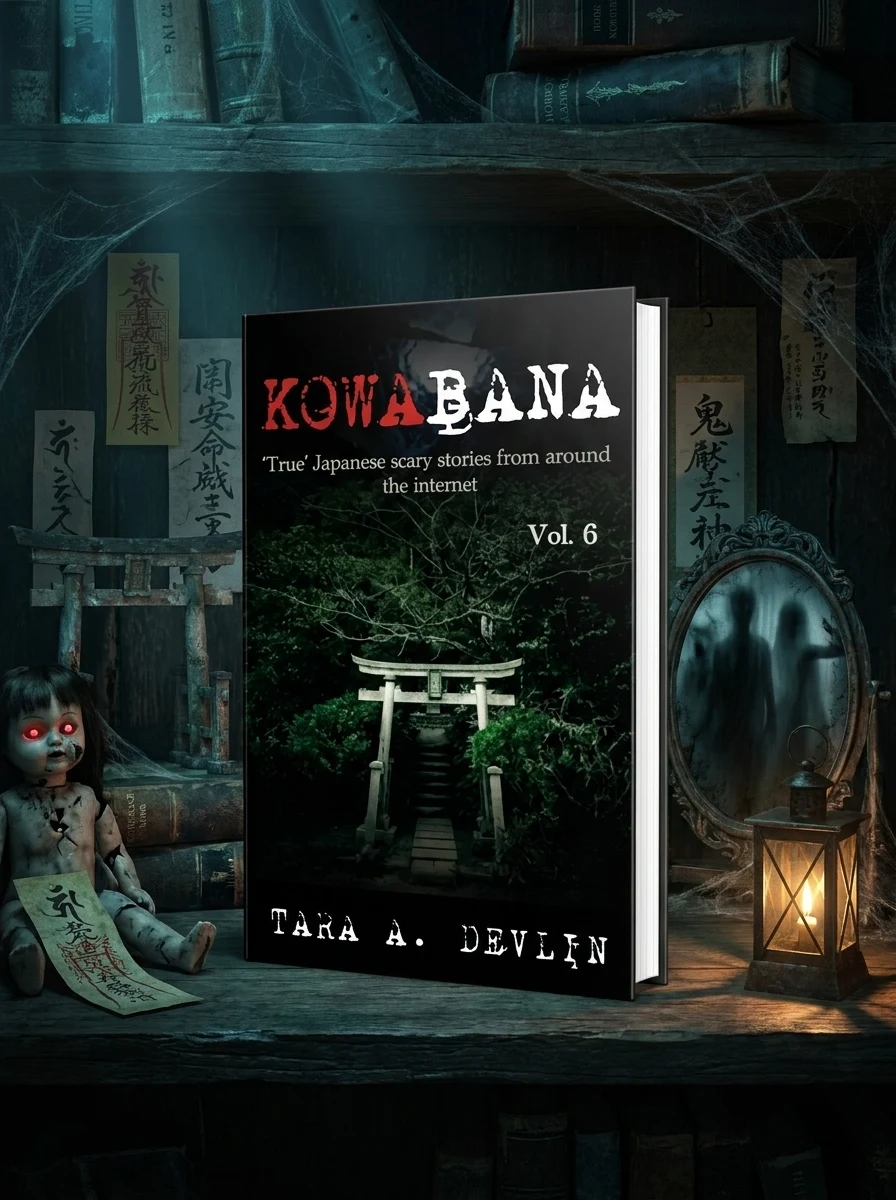


✍️ More books by this author Tara a Devlin
🏛 Books from this publisher Independently Published






You might also like
See more →

Have a question about this item?
Ask about the edition, condition, delivery or anything else — we reply by email or phone, usually within a day.
