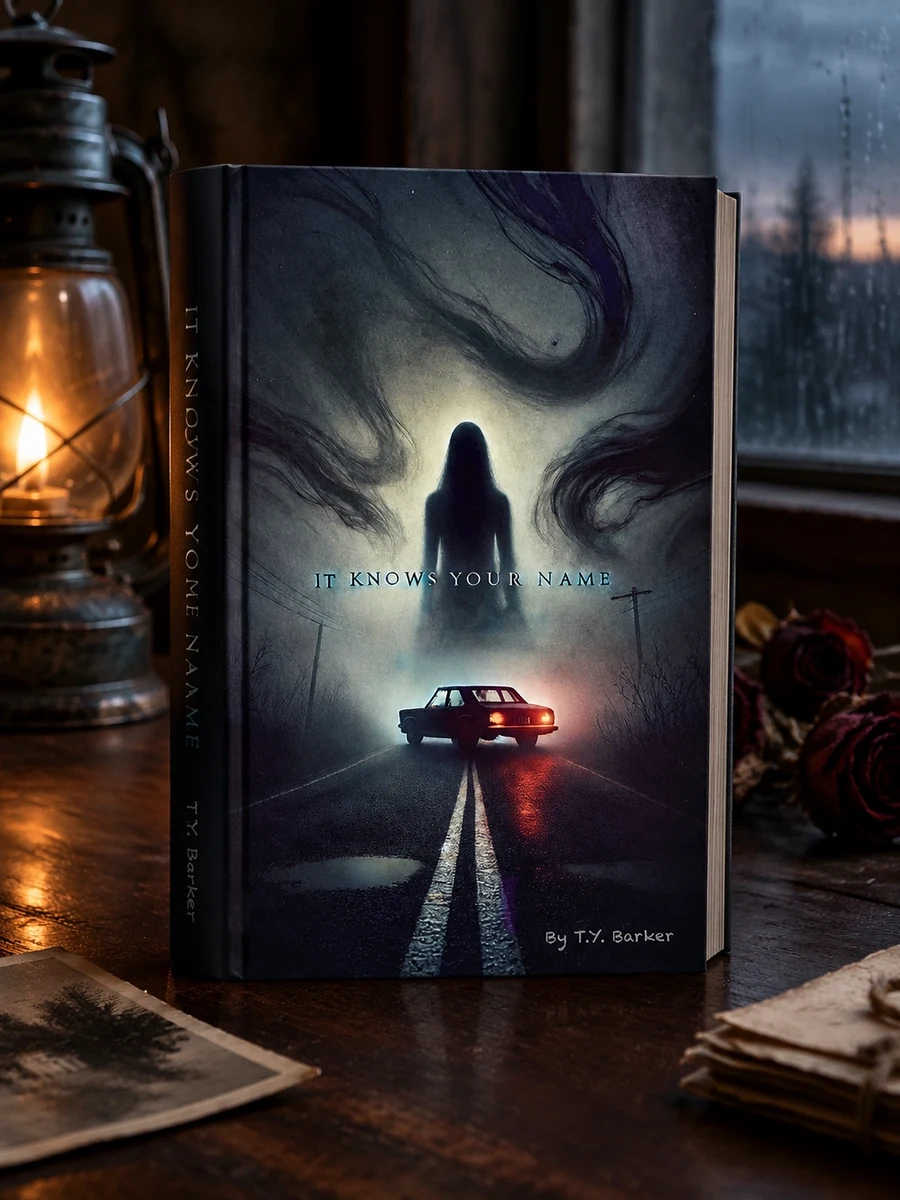
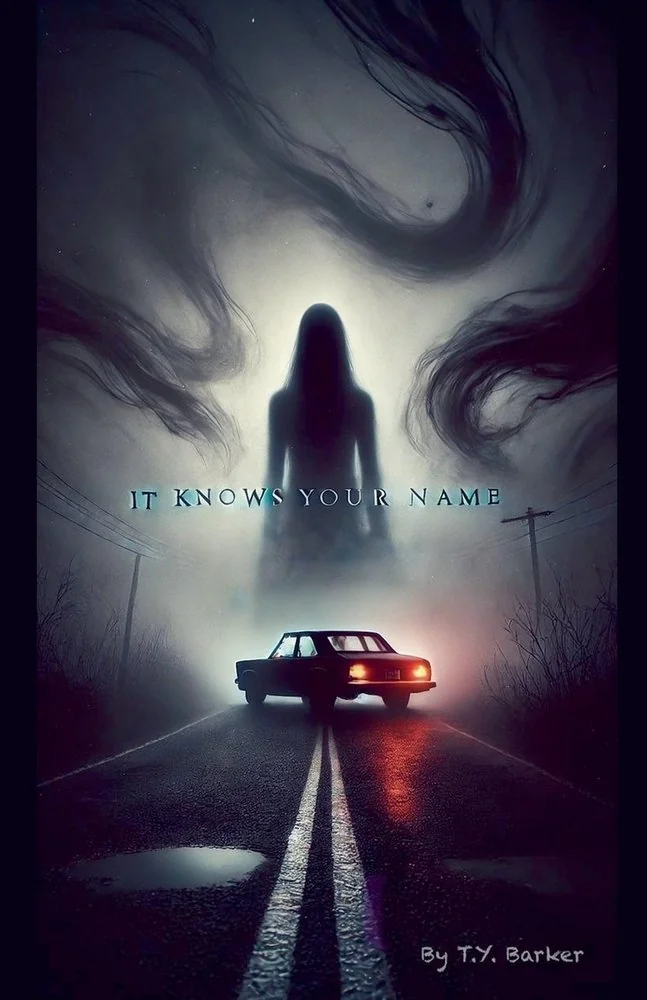
It Knows Your Name
A compact ghost story focusing on psychological dread and atmospheric tension.
Barker writes a close and invasive tale. The writing removes safety to show vulnerability underneath. It uses mood and hinting to disturb instead of startling. Dread comes from mystery, not violence. Quiet moments matter more than noise. This creates a feeling of being watched by something wrong. The book offers a direct experience of strangeness for those wanting slow dread. It values feeling over story structure to unsettle the reader.
Published in February 2025 by T.Y. Barker, this volume sits within the tradition of atmospheric horror and supernatural fiction. It focuses on the chilling intersection of ghostly presence and psychological dread for American readers browsing independent bookshops.


📝 Description: It Knows Your Name
💎 Our verdict on It Knows Your Name
📖 Why choose it
Why this book is worth reading
Readers seeking a compact horror experience that lingers long after the final page will find this book compelling. It is ideal for those who prefer slow-burning dread and psychological unease over loud, violent thrills. The text appeals to fans of atmospheric writing who value implication and mood rather than complex plot structures. By focusing on the feeling of being watched by an impossible entity, it offers a direct, invasive encounter with strangeness. This work suits individuals interested in mental anxiety and the vulnerability exposed when safety nets are removed. It provides a quiet, persistent violation that unsettles through mystery rather than shock, making it perfect for readers who enjoy horror that stays with them through subtle, heavy moments.
⭐ Reader reviews
Reader rating
Barker crafts an invasive tale where atmosphere outweighs storyline, creating a close look at fear through mental anxiety and supernatural elements. The writing excels in removing safety nets to expose vulnerability, using implication and setting to disturb rather than startle. This approach generates dread from mystery, allowing quiet moments to carry heavy meaning. It suits fans of eerie horror who appreciate gradual buildup and the feeling of being observed by something wrong. However, those seeking big thrills or clear storylines may find the experience too faint. The book avoids standard archetypes to focus on persistent violation and strangeness. It offers a direct experience of unease for readers who value mood over structure. Ultimately, it is a quiet style of horror that prioritizes feeling, making it effective for those who enjoy stories that linger through subtle, unsettling hints rather than direct displays.
You might also like
See more →



Have a question about this item?
Ask about the edition, condition, delivery or anything else — we reply by email or phone, usually within a day.
