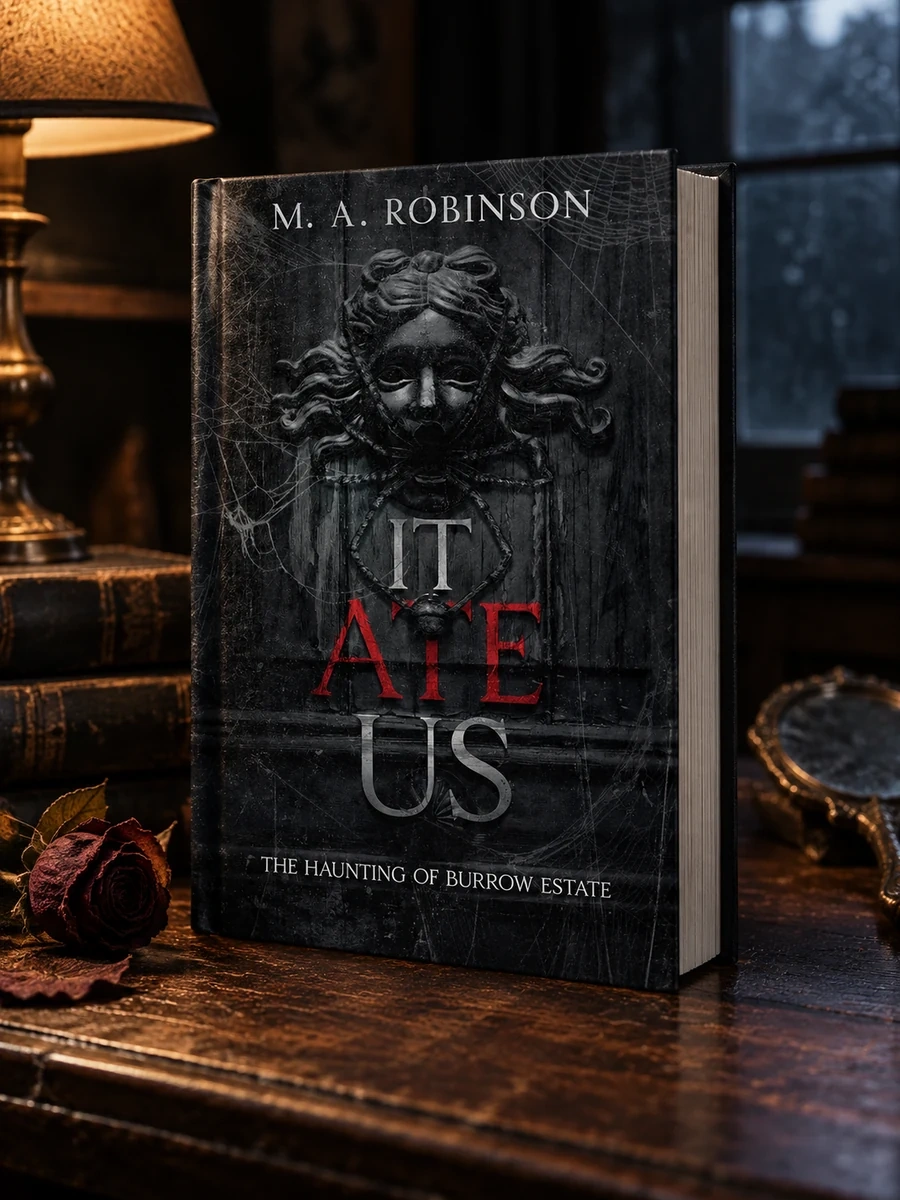
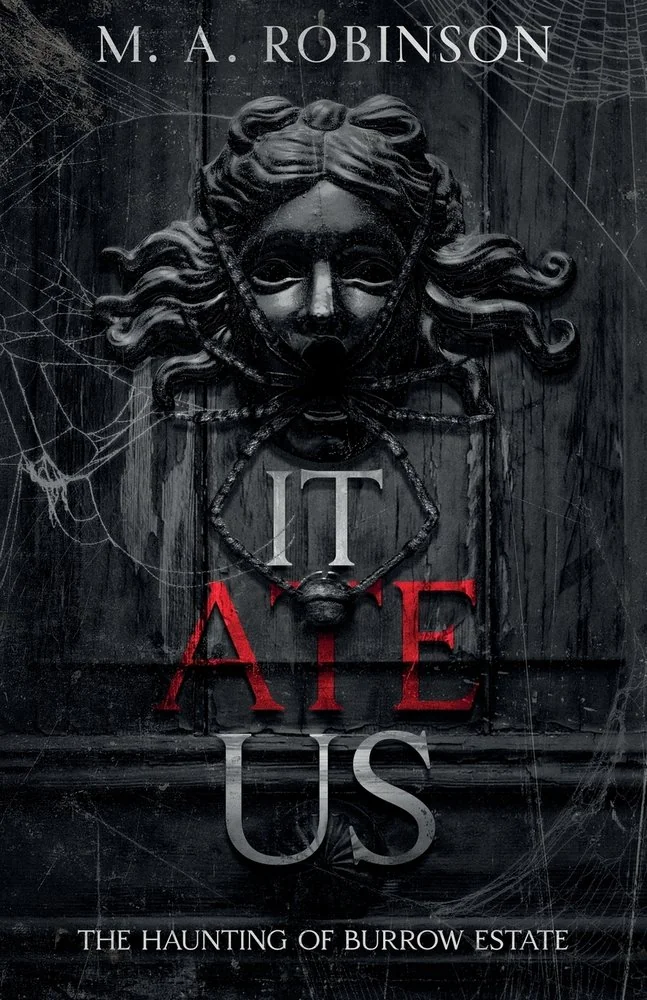
It Ate Us: The Haunting of Burrow Estate
A mother investigates a haunted 1800s manor in a mining town after her daughter's accident.
This work focuses on the psychological toll of displacement and grief. Sarah moves to Aditville for peace but finds only isolation and terror. The narrative structure tracks her descent into uncertainty as she confronts the mysteries of the Burrow Estate. Robinson uses the setting of ancient mines to amplify feelings of entrapment. The story does not offer easy answers regarding the source of the evil. It challenges the reader to consider the reliability of Sarah's perception. The horror stems from the blurring line between reality and madness. The family must survive a threat that is both physical and mental.
The narrative is rooted in American gothic fiction traditions, specifically utilizing the lore of 1800s mining communities. It places supernatural horror within the context of rural isolation and historical industrial decay, reflecting a period where ancient mines shaped local identity and fear.


📝 Description: It Ate Us: The Haunting of Burrow Estate
💎 Our verdict on It Ate Us: The Haunting of Burrow Estate
📖 Why choose it
Why this book is worth reading
Readers who appreciate slow-burn psychological terror and complex explorations of family trauma will find this book deeply rewarding. It appeals to those willing to engage with ambiguity and unreliable narration, offering a visceral look at grief and displacement. The narrative does not provide easy answers, challenging the audience to question the reliability of perception versus reality. Those who enjoy Gothic settings amplified by the claustrophobia of underground mines will appreciate the specific atmospheric construction. It is ideal for readers seeking a story where the horror stems from mental deterioration as much as external threats, rather than those preferring clear supernatural resolutions or fast-paced action.
⭐ Reader reviews
Reader rating
M.A. Robinson delivers a compelling study of psychological unraveling set against the backdrop of an isolated mining town. The work excels in building tension through the blurring lines between reality and madness, utilizing the Burrow Estate’s history to amplify feelings of entrapment. The narrative structure effectively tracks Sarah’s descent into uncertainty, making the horror feel personal and inescapable. While the lack of clear answers may frustrate readers seeking definitive supernatural explanations, the emotional weight of family trauma is handled with nuance. This title suits enthusiasts of gothic horror who value atmospheric dread and complex character studies over conventional plot resolutions.
You might also like
See more →



Have a question about this item?
Ask about the edition, condition, delivery or anything else — we reply by email or phone, usually within a day.
