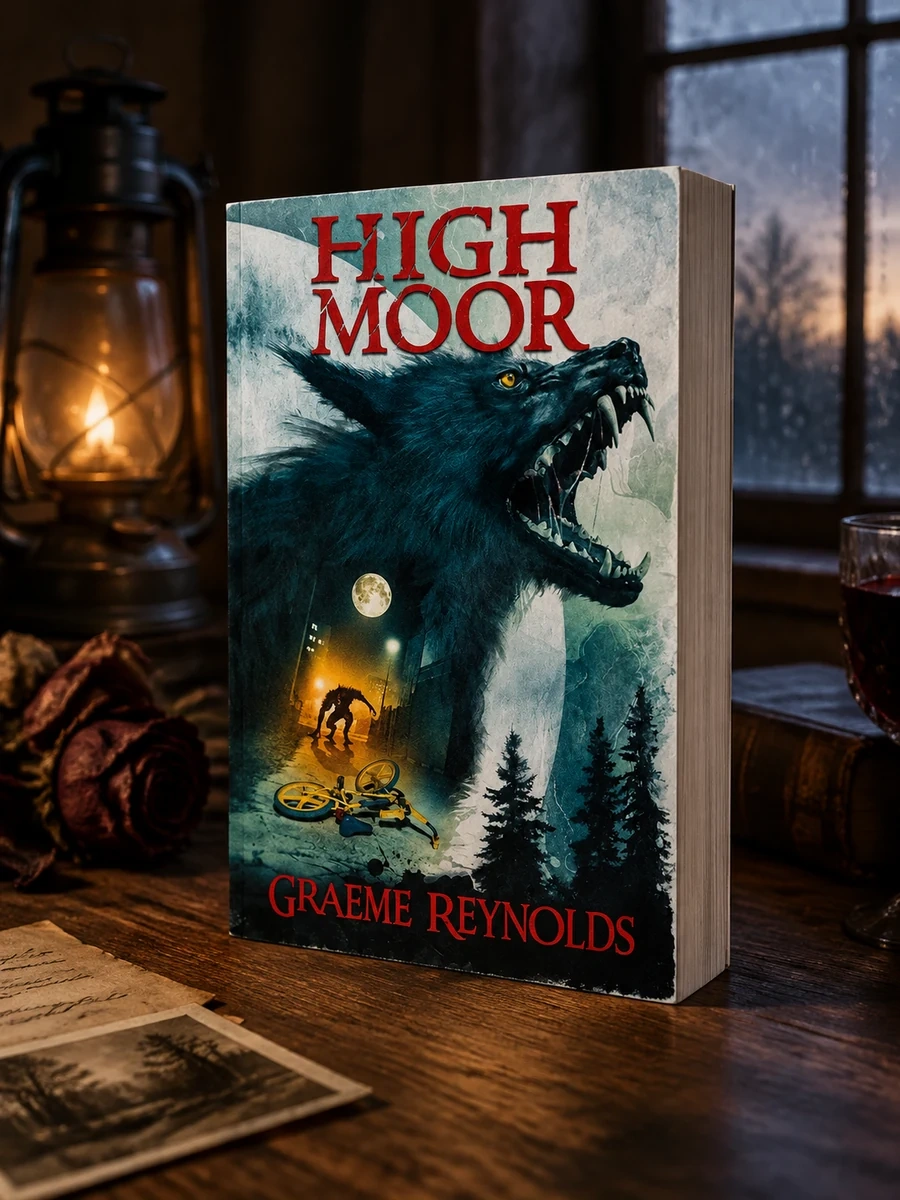
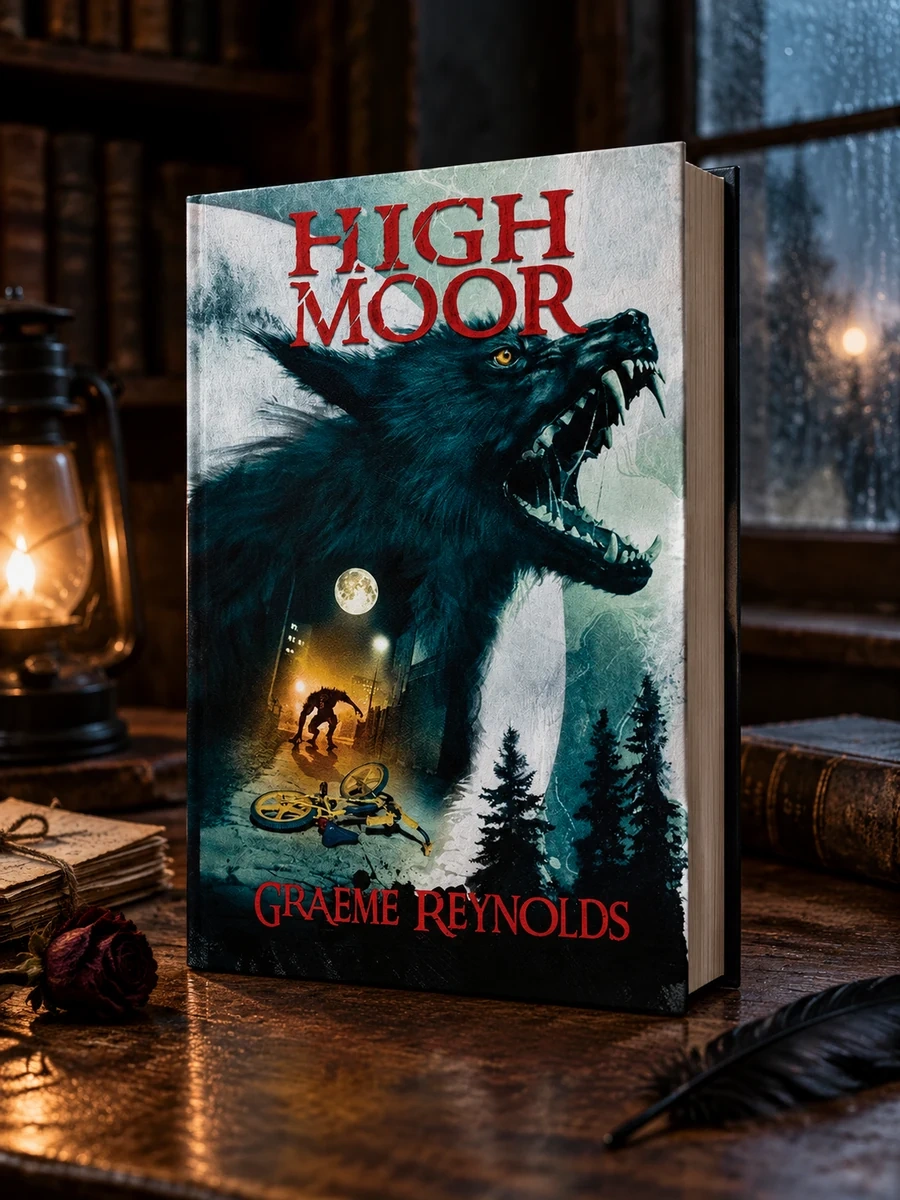
High Moor
Graeme Reynolds explores lycanthropy and survival in High Moor through John Simpson's return.
This work examines the psychological weight of surviving a supernatural attack. John Simpson’s return to High Moor triggers memories of a past assault. The narrative focuses on his struggle to control his own monstrous nature while others face violence. Reynolds uses the full moon as a catalyst for both physical change and emotional reckoning. The story avoids typical chase sequences in favor of internal conflict. It asks how one lives with the capacity for great harm. The blend of retro sensibilities with modern storytelling techniques creates a unique tone. Readers interested in character-driven horror will find value here. Those preferring external threats over internal demons might find it slow. The book does not glorify violence but rather examines its cost on the individual.
The narrative sits within the tradition of American supernatural fiction, specifically exploring werewolf lore. It incorporates eighties nostalgia to frame the protagonist's past experiences. The setting of High Moor provides a gothic backdrop for these themes. Reynolds draws on classic monster mythology but updates it with contemporary psychological concerns. This approach places the book in a lineage of horror that values atmosphere and character development over simple scares.


📝 Description: High Moor
💎 Our verdict on High Moor
📖 Why choose it
Why this book is worth reading
Readers seeking depth in supernatural fiction will find value in this exploration of lycanthropy as a metaphor for personal trauma and survival. The book is ideal for those who appreciate character-driven narratives that examine the psychological weight of carrying monstrous potential. It offers a grounded approach to the werewolf mythos, focusing on the burden of existence rather than mere gore. Those interested in how identity fractures under pressure will engage with John Simpson’s internal struggle. It appeals to fans of psychological horror who prefer emotional reckoning over simple chase sequences. The story provides a stark confrontation with one's own nature, making it suitable for readers willing to sit with discomfort and moral ambiguity regarding the cost of violence.
⭐ Reader reviews
Reader rating
Graeme Reynolds delivers a compelling examination of lycanthropy through John Simpson’s return to High Moor. The narrative excels in avoiding typical chase sequences, instead focusing on the internal conflict of a man who is both hunter and hunted. By using the full moon as a catalyst for emotional reckoning, Reynolds creates a unique tone that blends eighties nostalgia with modern storytelling techniques. The book does not glorify violence but rather dissects its impact on the survivor’s psyche. It suits readers interested in supernatural fiction that examines identity and fear. However, those preferring external threats or lighthearted entertainment may find the pace slow. The setting acts as a crucible for these events, offering no easy answers. This is a thoughtful, grounded take on the genre that prioritizes the burden of survival over simple horror.
📖 Read on the blog
✍️ More books by this author Graeme Reynolds


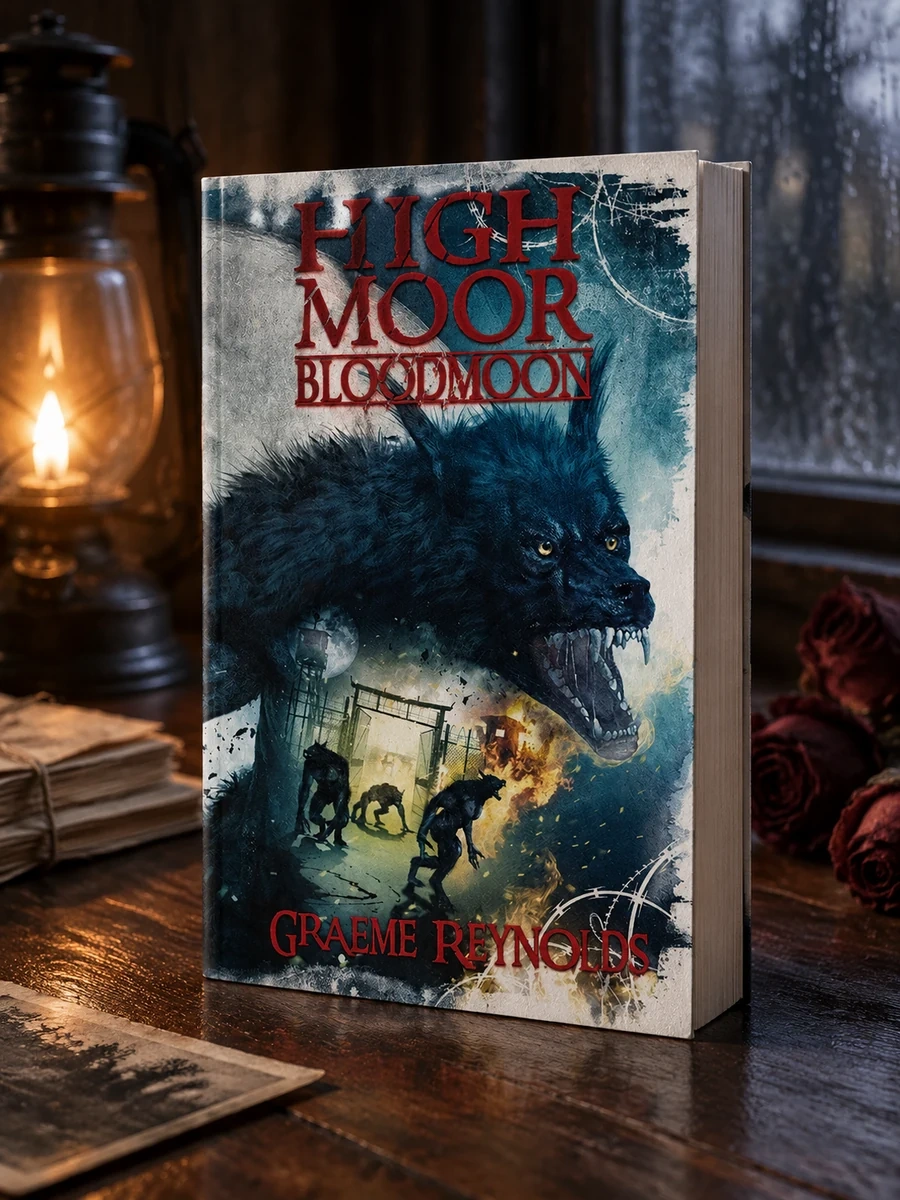
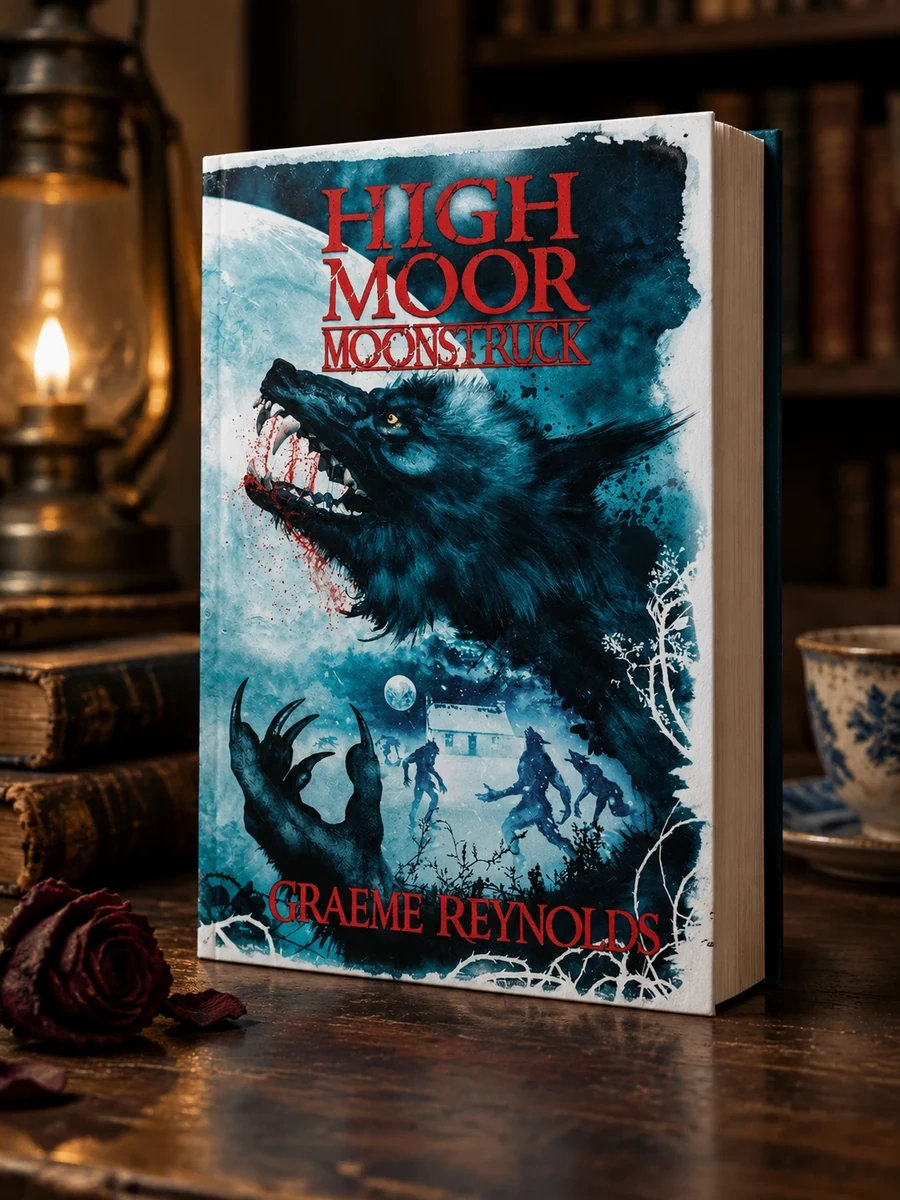
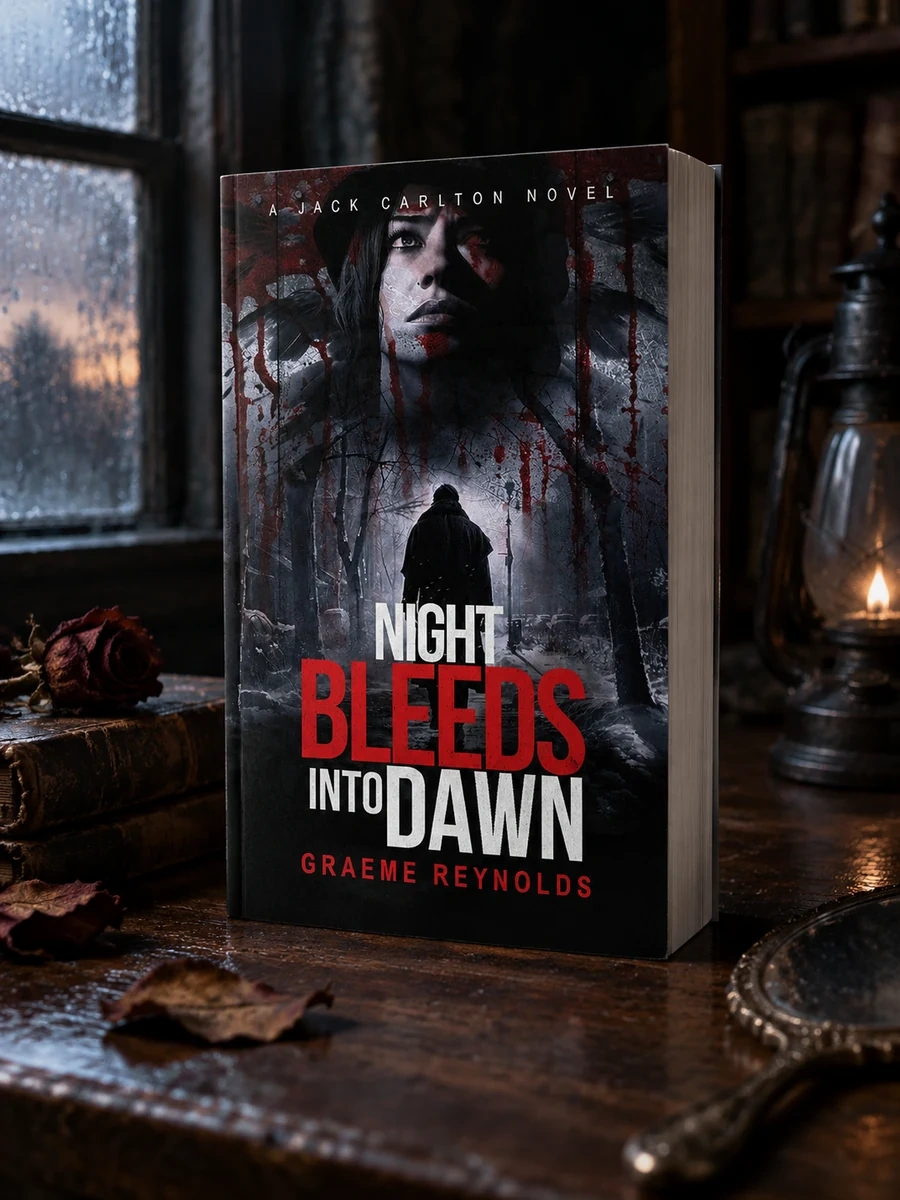
🏛 Books from this publisher Horrific Tales Publishing



You might also like
See more →


Have a question about this item?
Ask about the edition, condition, delivery or anything else — we reply by email or phone, usually within a day.
