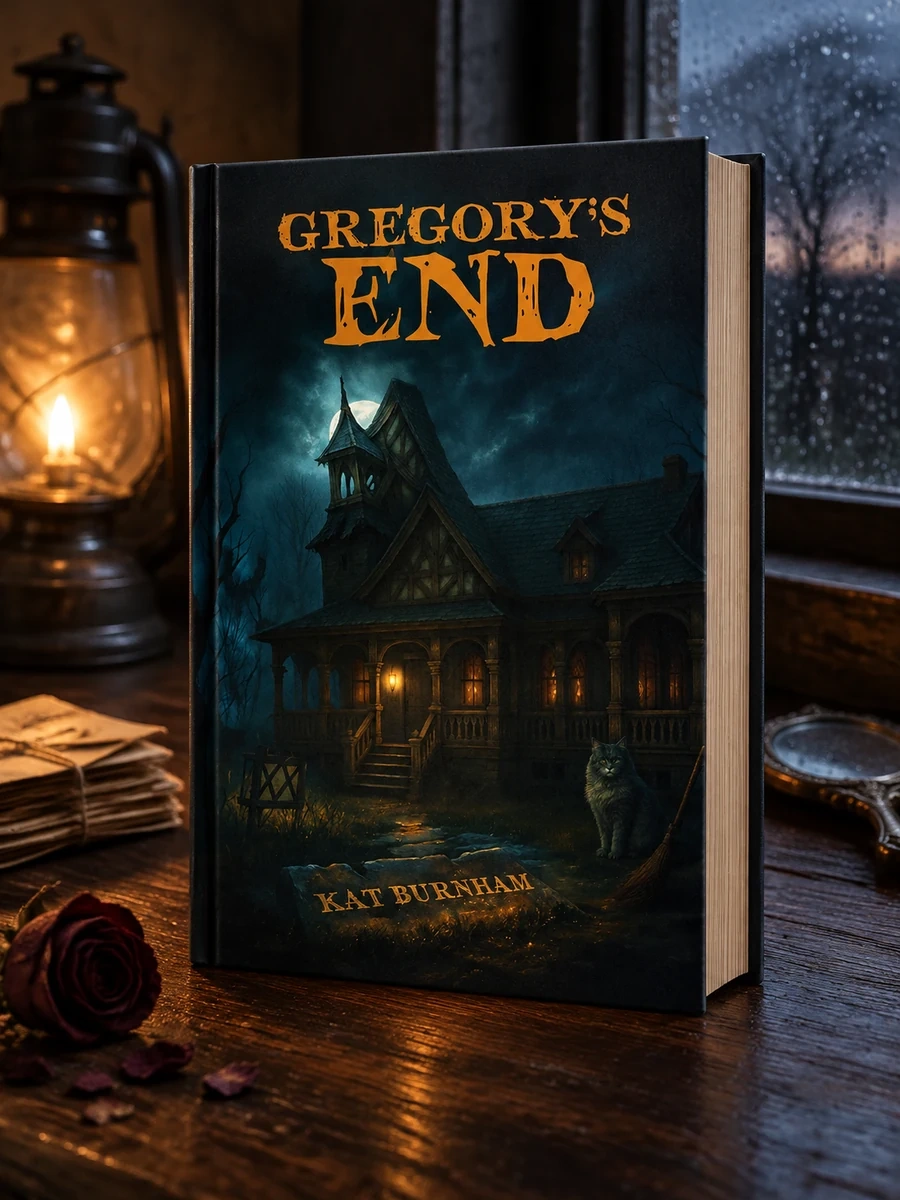
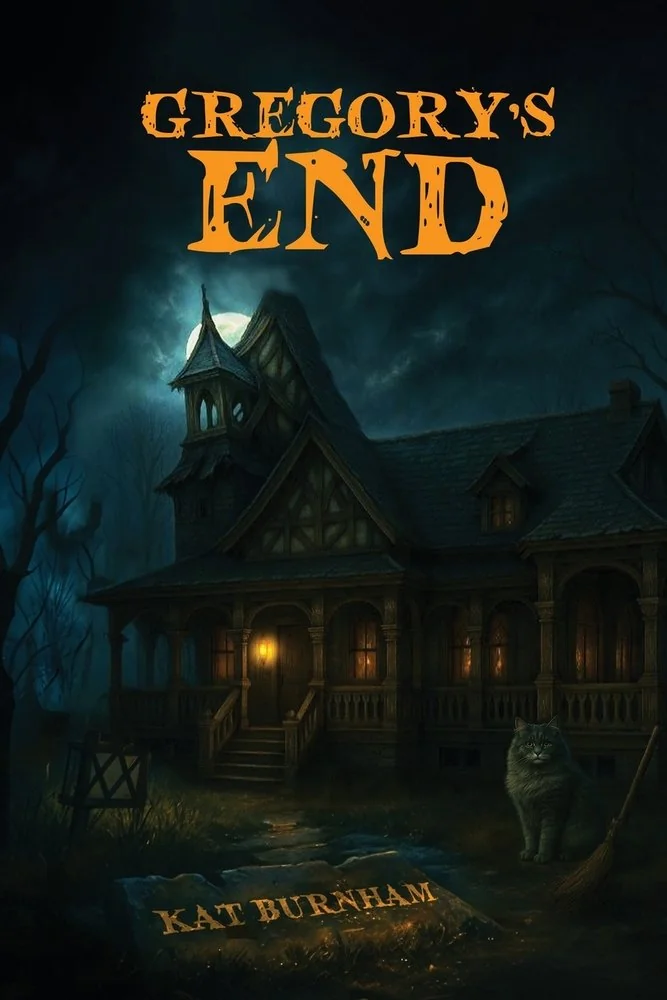
Gregory's End
A family faces terrifying ghosts in a haunted northern California mansion.
The Foust family moves into a seemingly perfect home near San Francisco, only to discover it is Gregory's End. The property is infested with spirits determined to drive them out through fear and chaos. Burnham writes about the psychological erosion of the parents and children as they endure relentless paranormal activity. The narrative tracks their descent into potential madness or death. There are no clear answers regarding the ghosts' motives, adding to the confusion and terror. The story relies on the classic trope of a malevolent house rather than external monsters. Burnham qualifies her work through this focused exploration of domestic horror. The text avoids supernatural explanations, keeping the intent of the entities ambiguous. This approach maintains a consistent tone of dread throughout the reading experience.
Gregory's End sits within the American tradition of haunted house fiction. The setting near San Francisco and in northern California grounds the supernatural elements in a specific regional landscape. This location contrasts with the typical New England gothic, offering a different atmospheric backdrop for the horror.


📝 Description: Gregory's End
💎 Our verdict on Gregory's End
📖 Why choose it
Why this book is worth reading
Readers who appreciate slow-burn atmospheric horror and gothic suspense will find significant value in this narrative. The book appeals to those interested in the psychological impact of paranormal activity on family dynamics rather than external monsters or fast-paced action. Fans of traditional haunted house tales will enjoy the deliberate pacing that allows unease to grow steadily. It is ideal for audiences who prefer ambiguous endings and unresolved terror over clear supernatural explanations. Those seeking a focused exploration of domestic horror and internal decay will find this work compelling.
⭐ Reader reviews
Reader rating
Burnham delivers a tense, atmospheric tale where the house itself serves as the primary antagonist. The narrative excels in depicting the gradual psychological erosion of the Foust family, maintaining a consistent tone of dread through isolation and unseen threats. By avoiding easy resolutions and clear motives for the spirits, the story sustains confusion and terror effectively. It suits readers who enjoy gothic suspense and traditional haunted house fiction. Those preferring non-fiction accounts or rapid action may find the deliberate pacing less engaging. The work successfully builds tension through the internal decay of its characters against external horrors.
📖 Read on the blog
✍️ More books by this author Kat Burnham
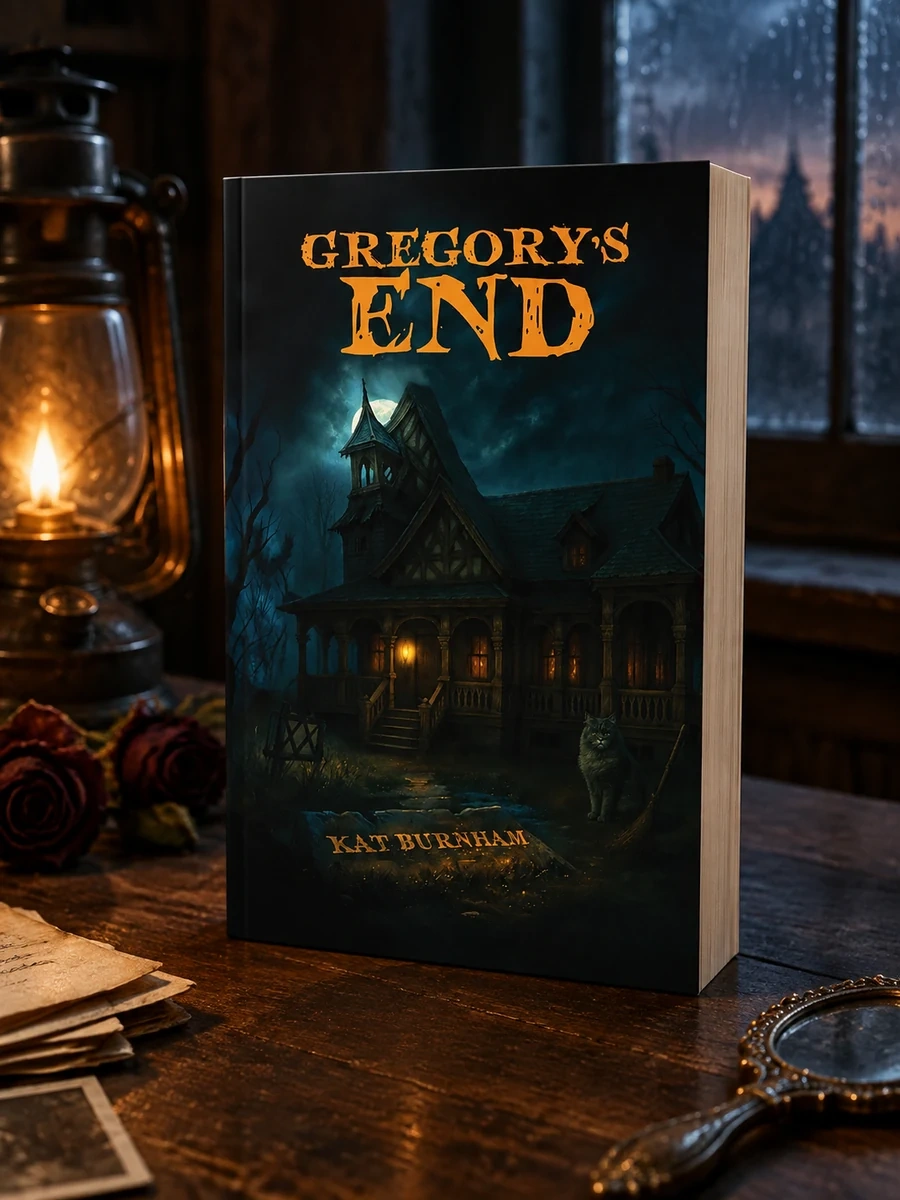


🏛 Books from this publisher Kat Burnham
You might also like
See more →


Have a question about this item?
Ask about the edition, condition, delivery or anything else — we reply by email or phone, usually within a day.
