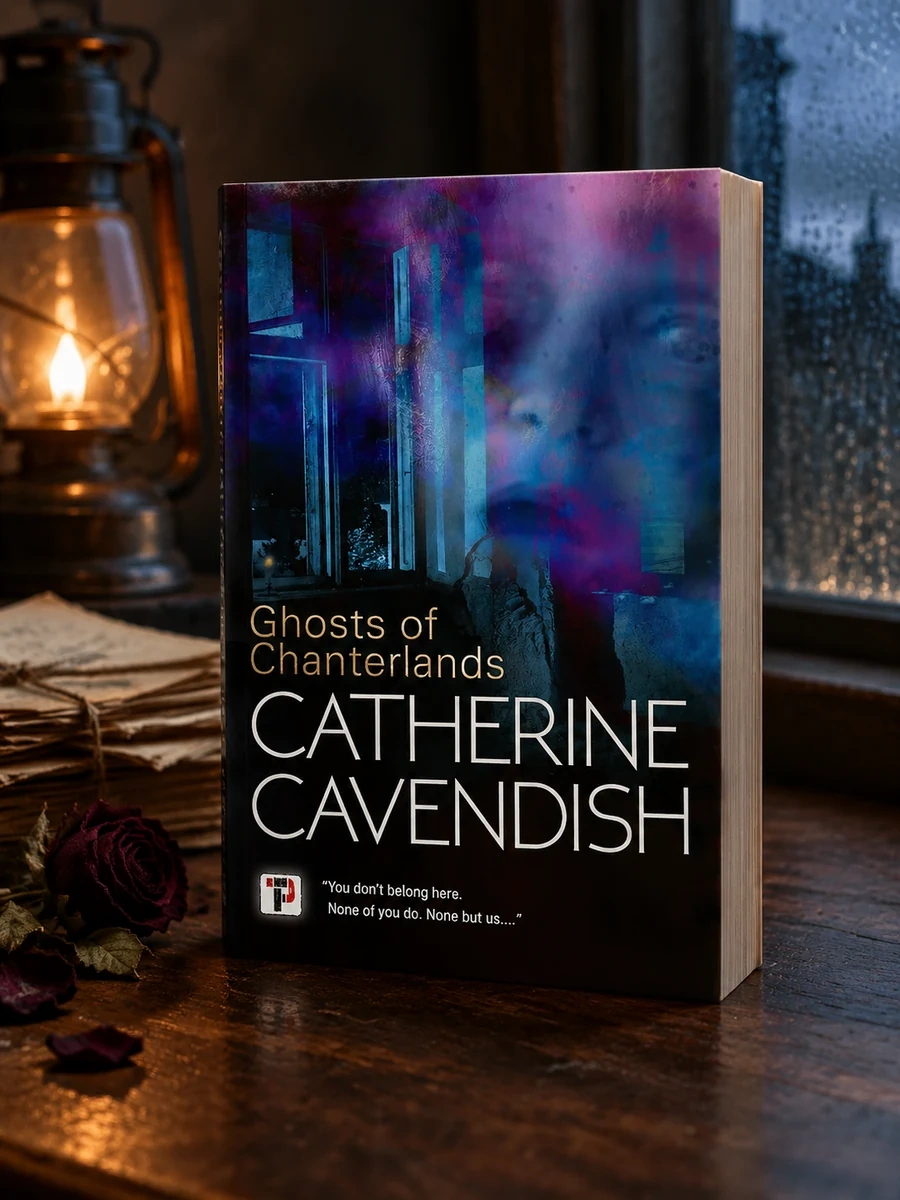
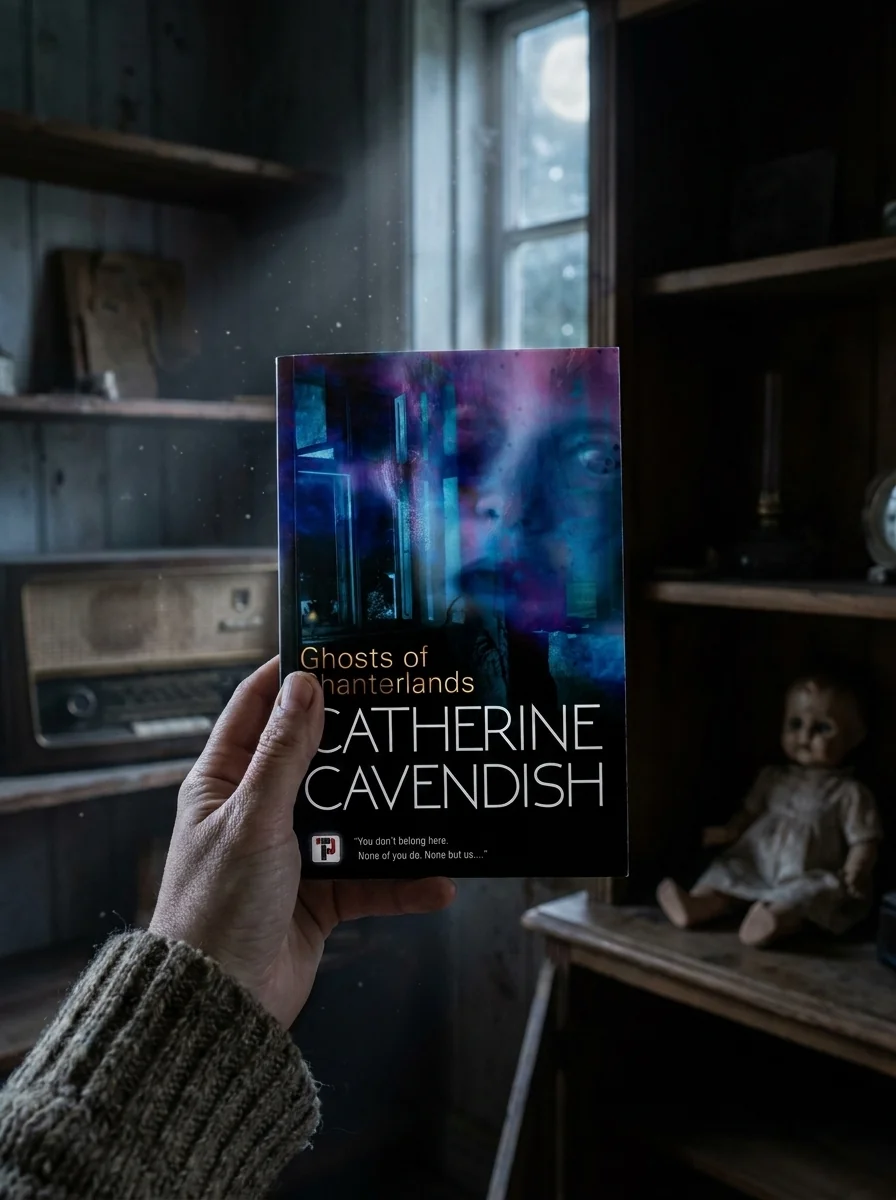
Ghosts of Chanterlands
A 1940 evacuation tale where a girl finds ghosts in her aunts' haunted home.
Pamela Courtney arrives at Chanterlands in 1940, seeking refuge from the war. She stays with Aunt Jilly, who clings to her cinema fame, and Aunt Bunny, who is practical. The house feels wrong immediately. A spectral boy occupies Pamela’s bedroom. In the attic, she uncovers a sinister secret tied to the estate’s history. Cavendish uses this setting to explore how past traumas linger in physical spaces. The narrative draws on the tradition of the haunted house story but grounds it in the specific anxiety of the 1940s. It is not a collection of short stories but a continuous narrative focused on Pamela’s psychological state. The book appeals to fans of slow-burn horror and historical fiction. It may disappoint those who prefer explicit gore or supernatural action sequences. The author’s style emphasizes mood over plot twists. The ending suggests that the danger Pamela faces is linked to the global conflict outside the house walls.
The story is set in 1940 during World War II. It reflects the British tradition of evacuating children from cities to the countryside. The narrative draws on gothic fiction tropes, specifically the haunted house genre. It uses the isolation of Chanterlands to amplify fear.


📝 Description: Ghosts of Chanterlands
💎 Our verdict on Ghosts of Chanterlands
📖 Why choose it
Why this book is worth reading
Readers who appreciate slow-burn horror and atmospheric historical fiction will find this narrative deeply rewarding. It appeals to those interested in how past traumas linger within physical spaces, offering a psychological exploration rather than explicit gore or supernatural action sequences. Fans of the gothic tradition will enjoy the focus on mood over plot twists, as the story gradually reveals the estate’s dark secrets through Pamela’s interactions with both living relatives and spectral inhabitants. The book is ideal for those who value tension built through setting and character dynamics over shock tactics. It offers a compelling look at isolation and hidden histories during the war years, providing an edge-of-the-seat experience for subscribers of supernatural fiction rooted in the past.
⭐ Reader reviews
Reader rating
Catherine Cavendish delivers a meticulously crafted ghost story that prioritizes psychological depth and atmospheric tension. The narrative effectively grounds the supernatural in the specific historical context of 1940, using the evacuation setting to amplify feelings of isolation and vulnerability. Pamela’s gradual discovery of the house’s sinister secrets unfolds through subtle character dynamics rather than relying on abrupt shock tactics. This approach rewards patient readers who enjoy slow-burn horror and gothic traditions. The book succeeds in making the past feel palpably present, linking the personal haunting to the global conflict outside. It is a refined entry for those seeking mood-driven narratives that explore the lingering effects of history within domestic spaces.
📖 Read on the blog
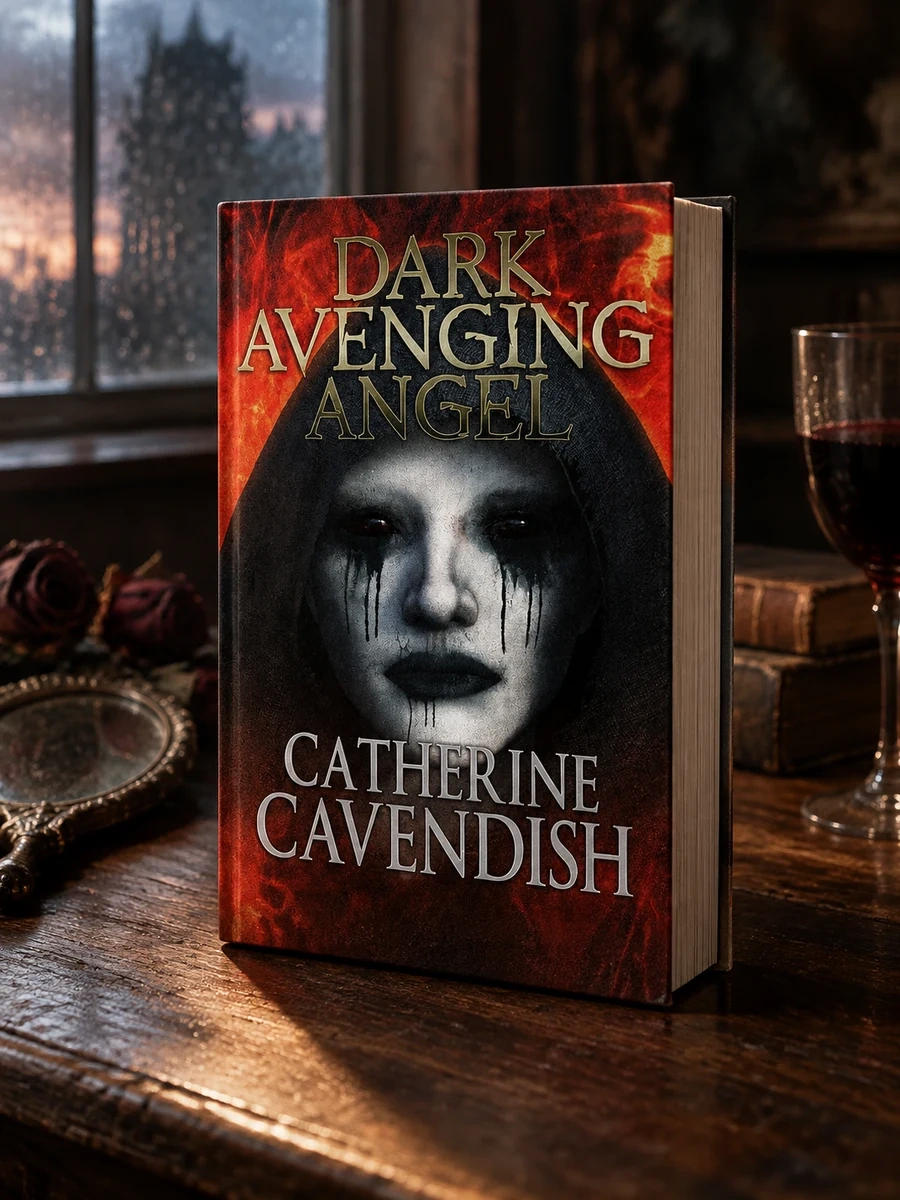
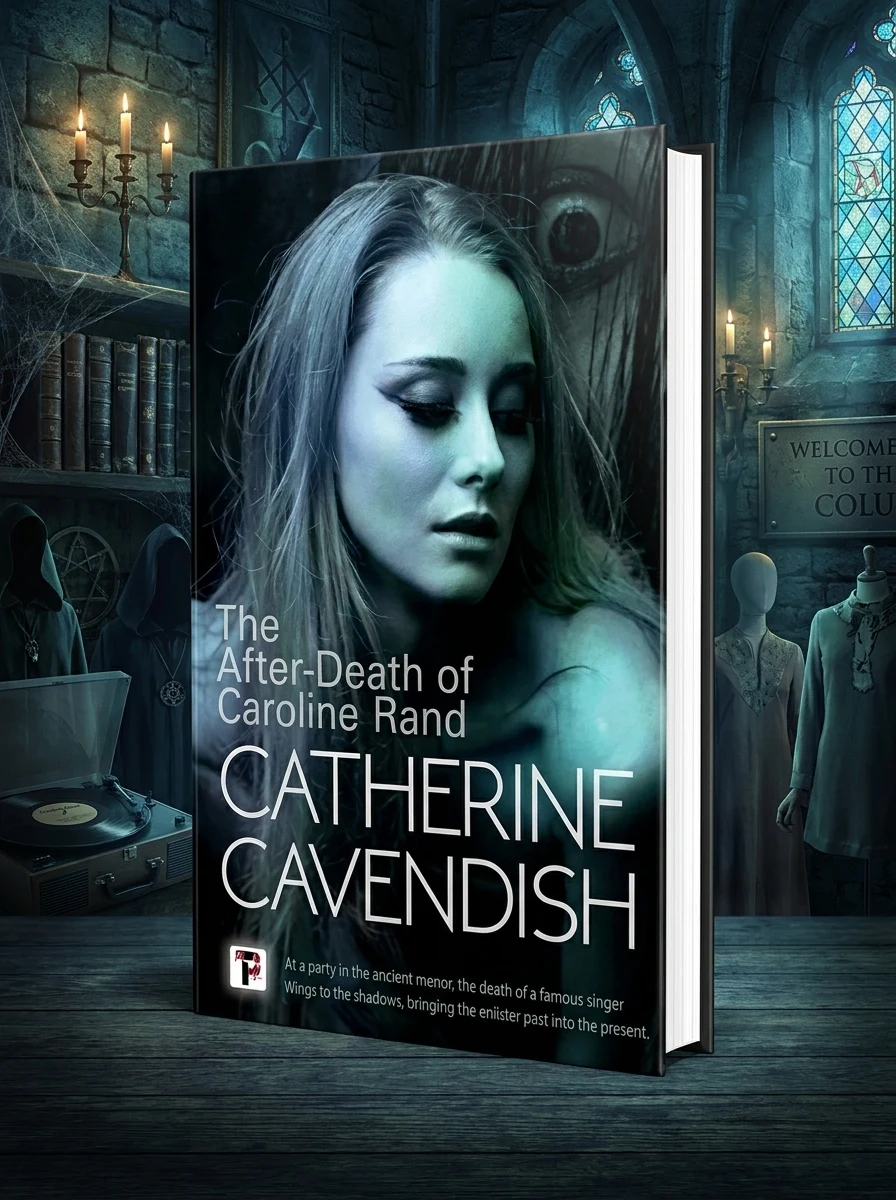
✍️ More books by this author Catherine Cavendish
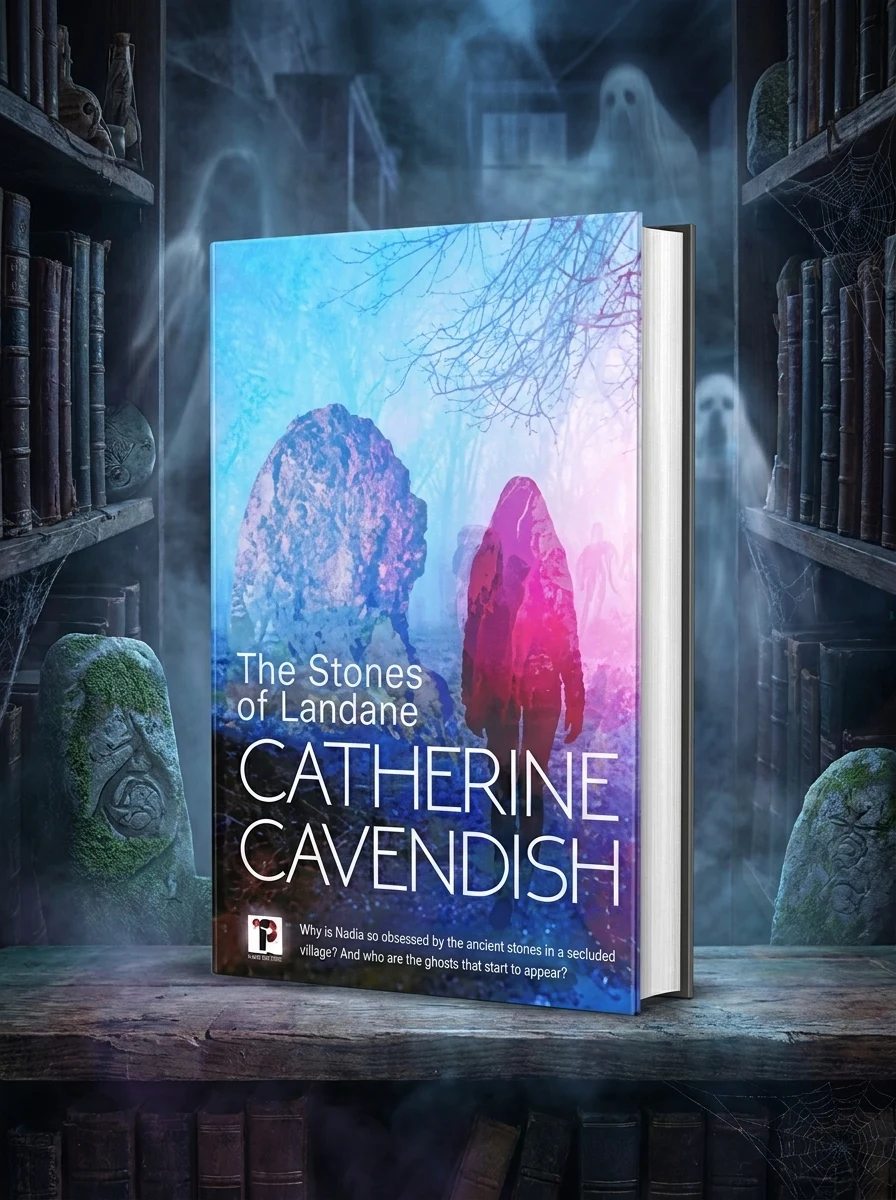


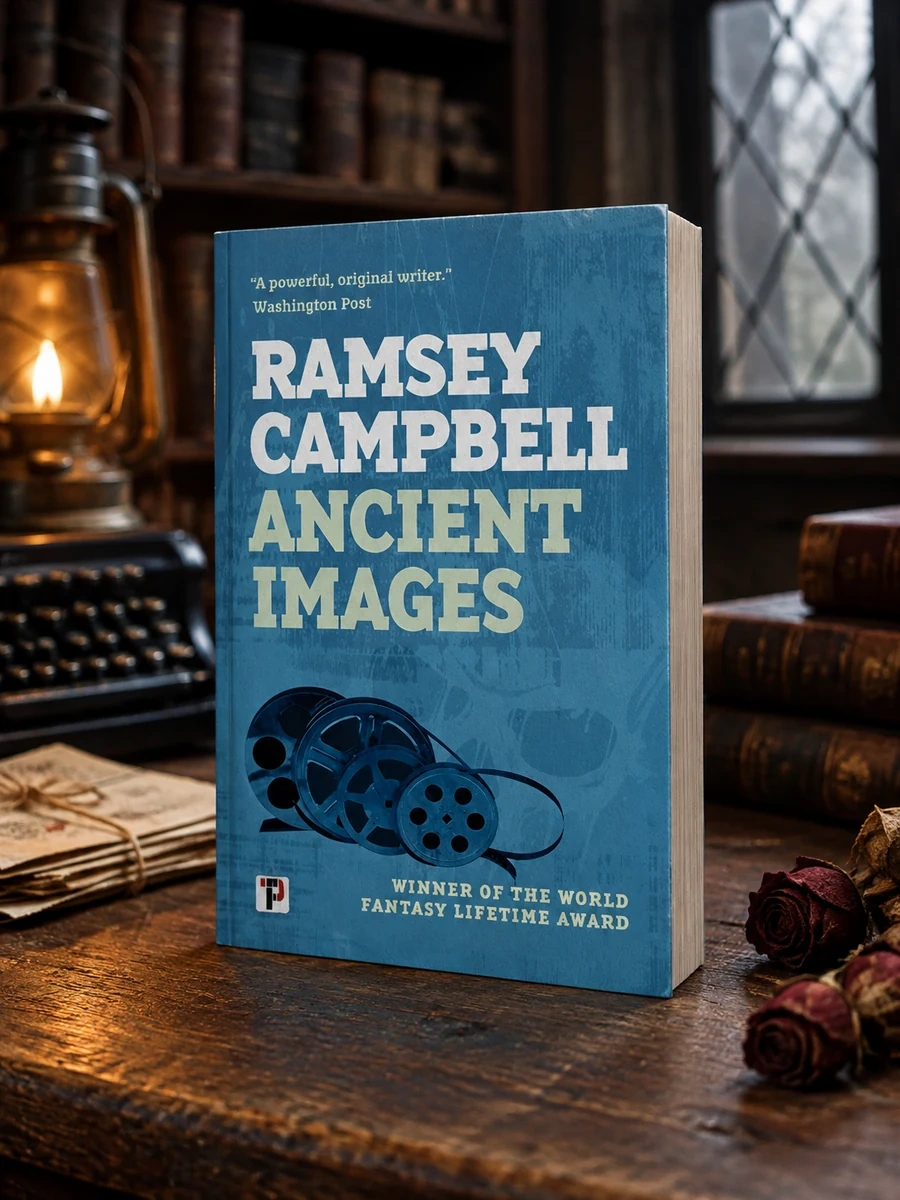
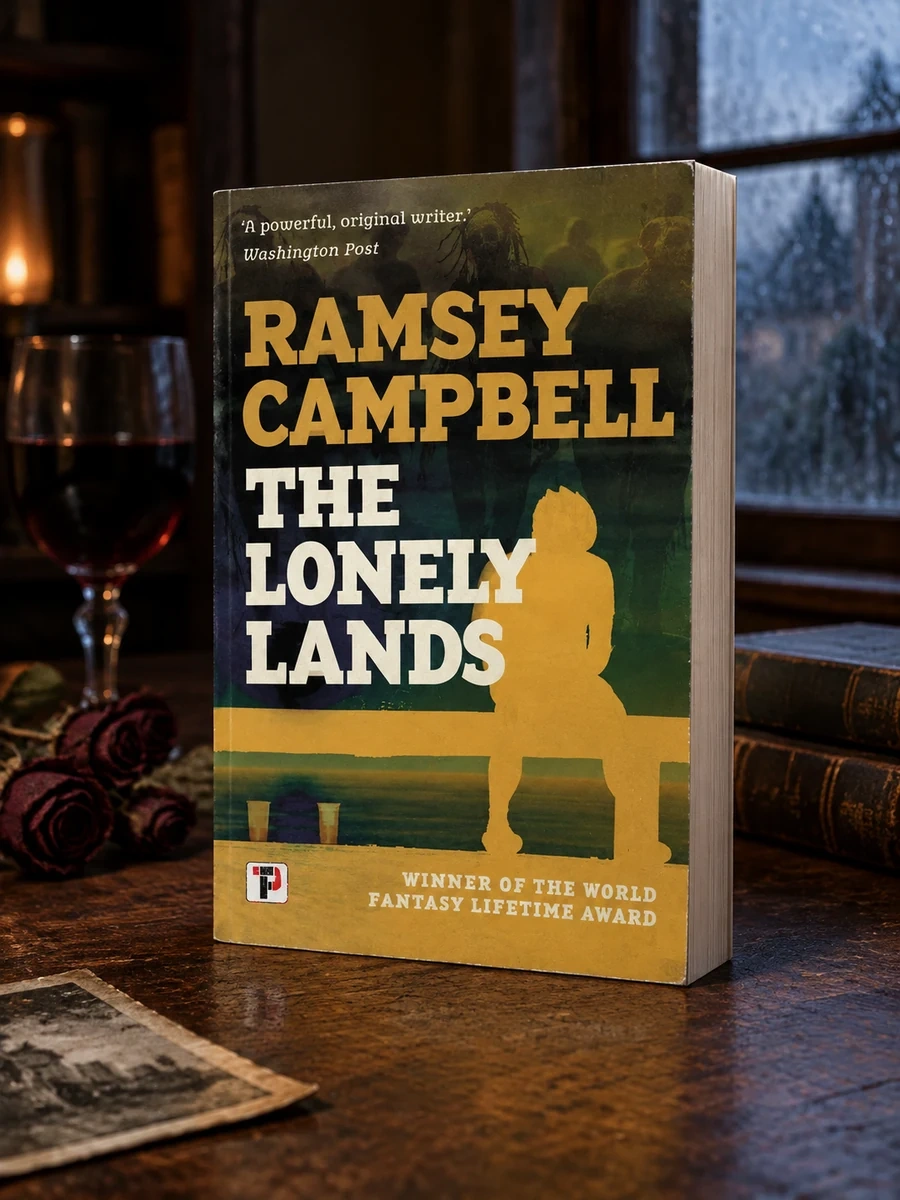
🏛 Books from this publisher Flame Tree Press
You might also like
See more →

Have a question about this item?
Ask about the edition, condition, delivery or anything else — we reply by email or phone, usually within a day.
