
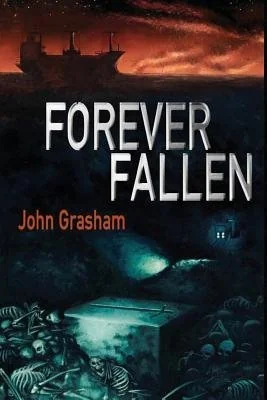
Forever Fallen
A geologist confronts an immortal evil tied to her hidden past.
This novel follows Mercy Teller, a geologist whose professional life masks a deep restlessness. The plot centers on her encounter with a dark past that brings both danger and a chance for redemption. She discovers secrets about a lost civilization while battling an immortal evil. The story emphasizes her internal conflict as she tries to protect her loved ones. Grasham writes from the perspective of someone who understands the weight of unspoken truths. The narrative does not rely on external action alone but focuses on Mercy’s psychological state. Readers interested in the intersection of science and supernatural horror will appreciate this approach. The book avoids sensationalism, offering a more introspective look at guilt and survival. It is a study of how past actions shape present realities for those who try to hide them.
Published in 2013 by John Grasham, this work sits within the American horror tradition. It blends geological science with gothic supernatural elements. The narrative reflects a contemporary interest in personal redemption through confronting past sins.


📝 Description: Forever Fallen
💎 Our verdict on Forever Fallen
📖 Why choose it
Why this book is worth reading
Readers who prefer character-driven tales where personal history intersects with ancient evils will find this book suitable. Those seeking fast-paced action without emotional depth may prefer other genres. The narrative demands that Mercy confront her past to save herself and those she loves. This approach appeals to fans of atmospheric fiction that prioritizes psychological tension over gore. Grasham’s background in publishing allows him to present the material with a focused intensity. The book offers a steady exploration of guilt and survival rather than a chaotic adventure. It remains grounded in Mercy’s perspective as she deals with the consequences of her hidden history, making it ideal for those who enjoy introspective horror.
⭐ Reader reviews
Reader rating
Grasham structures the narrative around Mercy Teller’s internal struggle against external threats, drawing on gothic traditions by blending scientific inquiry with supernatural horror. The story emphasizes her psychological state rather than relying solely on external action. Readers interested in the intersection of science and supernatural horror will appreciate this approach. The book avoids sensationalism, offering a more introspective look at guilt and survival. It is a study of how past actions shape present realities for those who try to hide them. This focused intensity suits fans of atmospheric fiction who value emotional depth over gore.
You might also like
See more →






Have a question about this item?
Ask about the edition, condition, delivery or anything else — we reply by email or phone, usually within a day.
