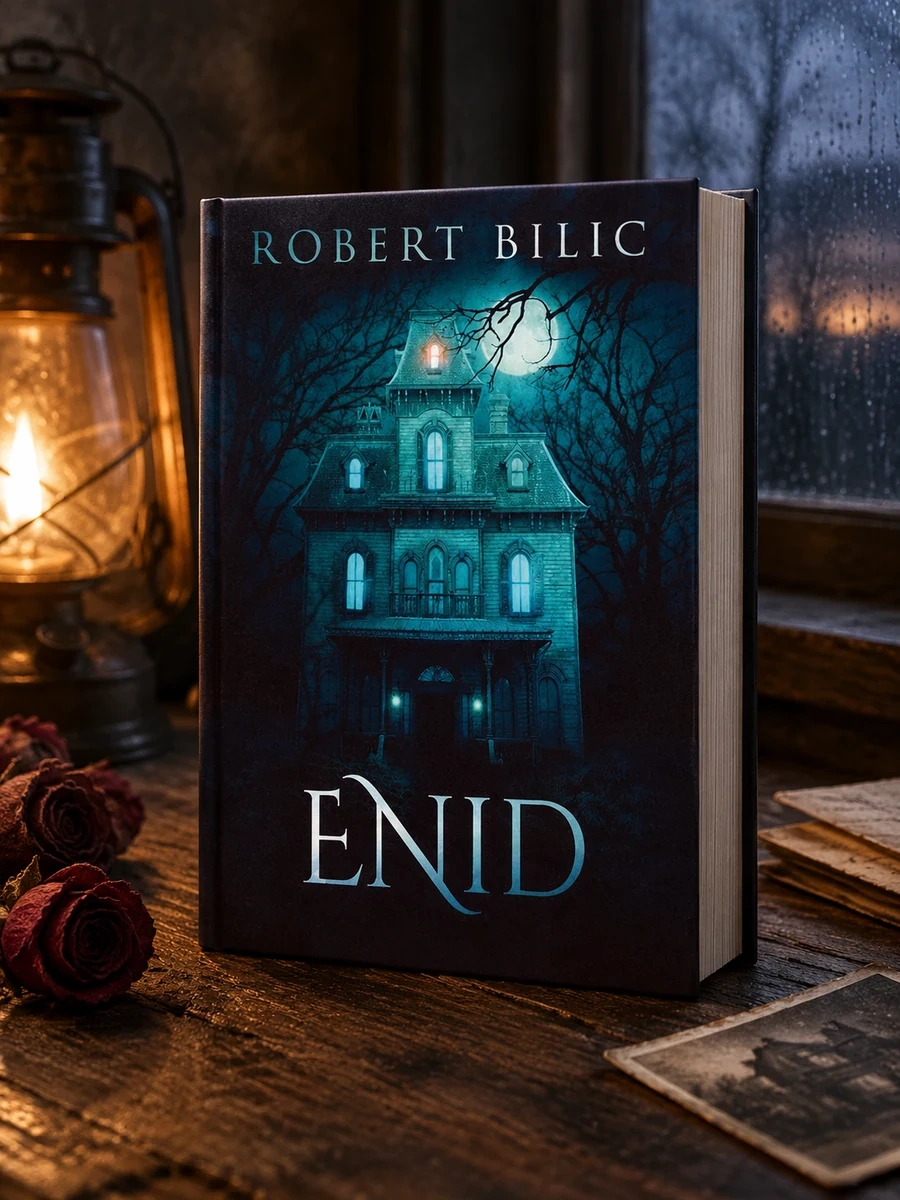
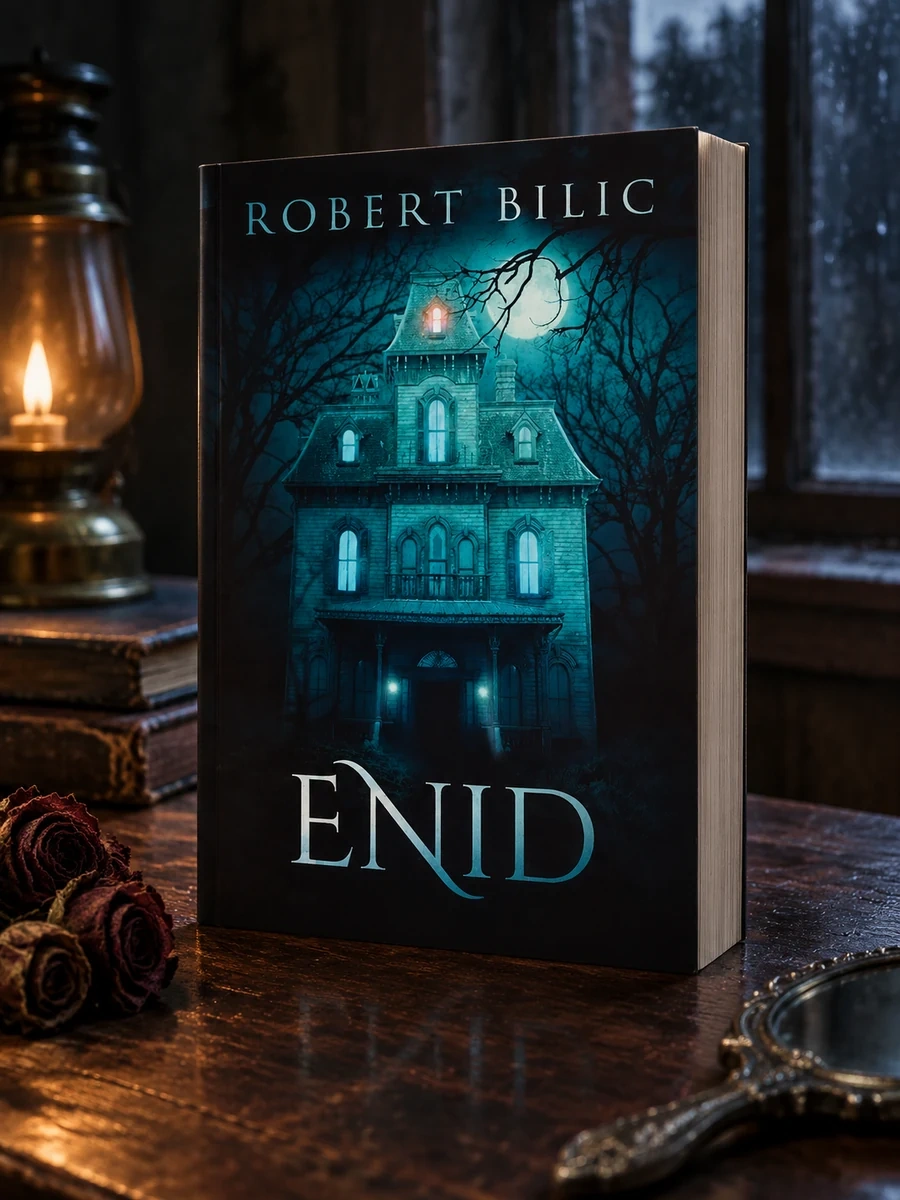
Enid: A Ghost Story
A 1897 author writes horror in a cottage with a mysterious caretaker.
The book centers on Christopher Price, a romance writer forced to pivot to gothic horror by his publisher. He moves to a rural cottage where Henry manages the property. The plot hinges on a photo album Price finds inside the house. These photos depict Henry and Enid together, yet Enid vanishes from subsequent images. Henry remains silent about her fate. Bilic uses this setup to explore hidden histories and unspoken grief. The story relies on the tension between creative isolation and domestic secrets. It does not offer easy answers about Enid's absence. The narrative structure builds dread through small discoveries rather than large events.
The setting is London in 1897. Gothic horror was the most fashionable genre at that time. The story reflects late Victorian literary trends and social norms regarding marriage and loss.


📝 Description: Enid: A Ghost Story
💎 Our verdict on Enid: A Ghost Story
📖 Why choose it
Why this book is worth reading
This book appeals to readers who appreciate slow-burn psychological horror and atmospheric tension over visceral scares or fast-paced action. It is ideal for those interested in period mysteries, the intersection of creative isolation and domestic secrets, and the exploration of unspoken grief within a gothic framework. The narrative rewards patience with small discoveries that build dread, offering a nuanced look at how hidden histories shape present realities without providing easy answers.
⭐ Reader reviews
Reader rating
Bilic crafts a compelling study of isolation and silence, using the discovery of a photograph album to unravel a mystery steeped in ambiguity. The work excels in building an oppressive gothic atmosphere where the absence of Enid becomes as palpable as her presence. By focusing on small discoveries rather than large events, the narrative generates significant dread through psychological implication. It suits fans of literary horror who enjoy period settings and complex emotional undercurrents. However, those seeking immediate thrills or clear resolutions may find the pacing too deliberate. The strength lies in its refusal to explain, leaving the reader with lingering questions about memory and loss.
📖 Read on the blog
✍️ More books by this author Robert Bilic


🏛 Books from this publisher Next Chapter

You might also like
See more →

Have a question about this item?
Ask about the edition, condition, delivery or anything else — we reply by email or phone, usually within a day.
