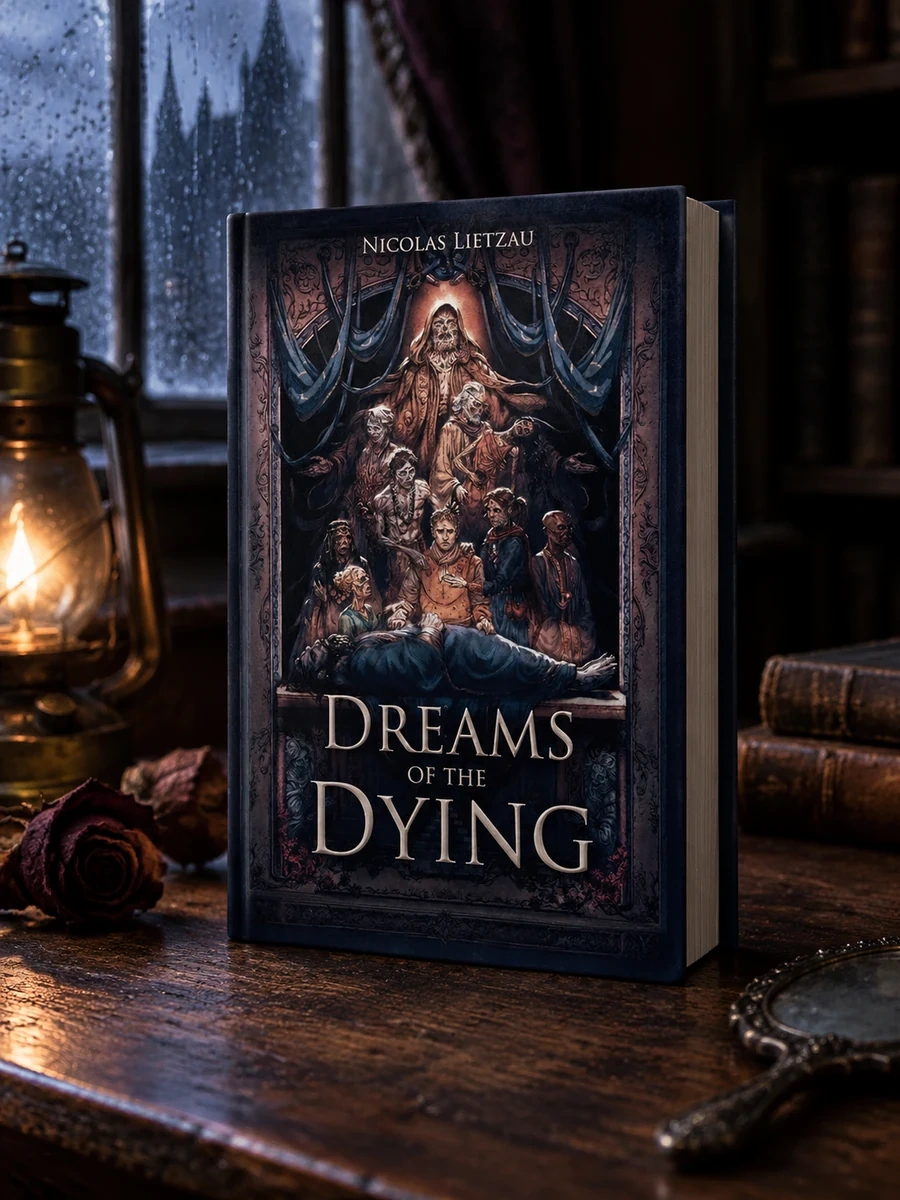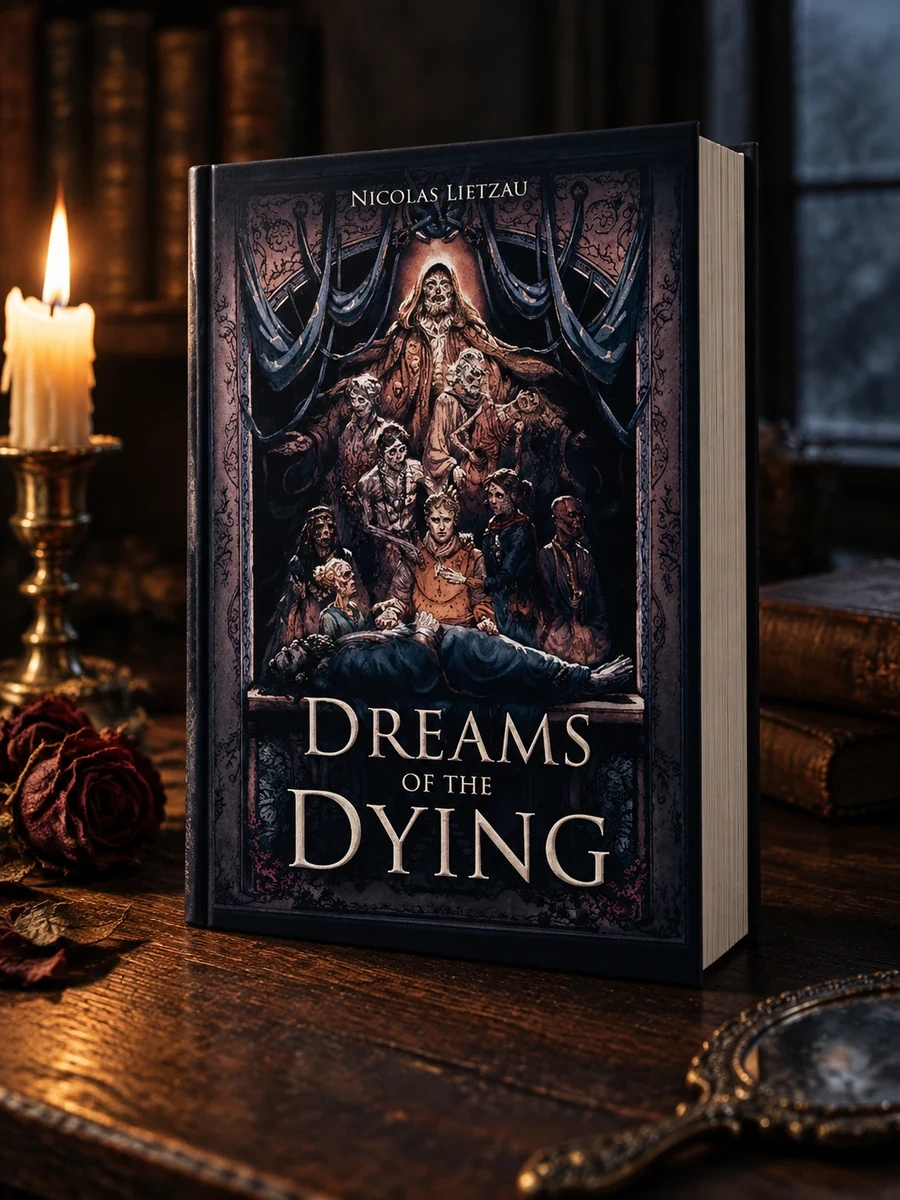

Dreams of the Dying
A veteran enters a king's nightmares to stop a civil war in a Polynesian fantasy setting.
This novel blends fantasy, mystery, and psychological horror into a slow-burning narrative. Jespar tre Moreste leaves his lonely existence for the dangerous archipelago of Kilay. He seeks to prevent catastrophe by solving the merchant king's coma. The plot moves through dreamscapes that mirror real-world conflicts. Jespar faces inner demons tied to his past as a mercenary. The story examines how trauma persists and affects sanity. It combines supernatural elements with grounded political intrigue. Readers find a world where mental health is central to the conflict. The narrative structure mirrors the blurring of dream and reality. It offers a haunting look at morality and survival.
The book draws on Polynesian fantasy settings and addresses social tensions leading to civil war. It won a Silver IPPY Award in 2021 for Best Sci-Fi/Fantasy/Horror. It was a #1 Bestseller in German Literature in 2020. The work sits within the tradition of psychological horror and mystery fiction.


📝 Description: Dreams of the Dying
💎 Our verdict on Dreams of the Dying
📖 Why choose it
Why this book is worth reading
Readers seeking a slow-burning narrative that prioritizes psychological depth over action will find this title rewarding. It appeals to those interested in the intersection of trauma, mental health, and political intrigue within a fantasy framework. The unique setting offers a refreshing alternative to standard European high fantasy tropes. Additionally, fans of mystery plots where the solution lies in the subconscious rather than physical clues will appreciate the investigative structure. The book provides a haunting examination of morality and survival, making it suitable for those who enjoy complex character studies and atmospheric storytelling that blurs the lines between dream and reality.
⭐ Reader reviews
Reader rating
Lietzau crafts a compelling atmosphere where the tropical setting contrasts sharply with the internal darkness of the protagonist. The blend of political intrigue and supernatural mystery creates a tense, immersive experience. Jespar’s journey through nightmare realms serves as a potent metaphor for unresolved trauma, grounding the fantastical elements in emotional reality. While the pacing is deliberate, it allows for deep exploration of mental illness and morality. The work stands out for its grounded approach to psychological horror within a dark fantasy context. It is best suited for mature readers who can handle heavy themes including violence and substance abuse without feeling overwhelmed by the narrative density.