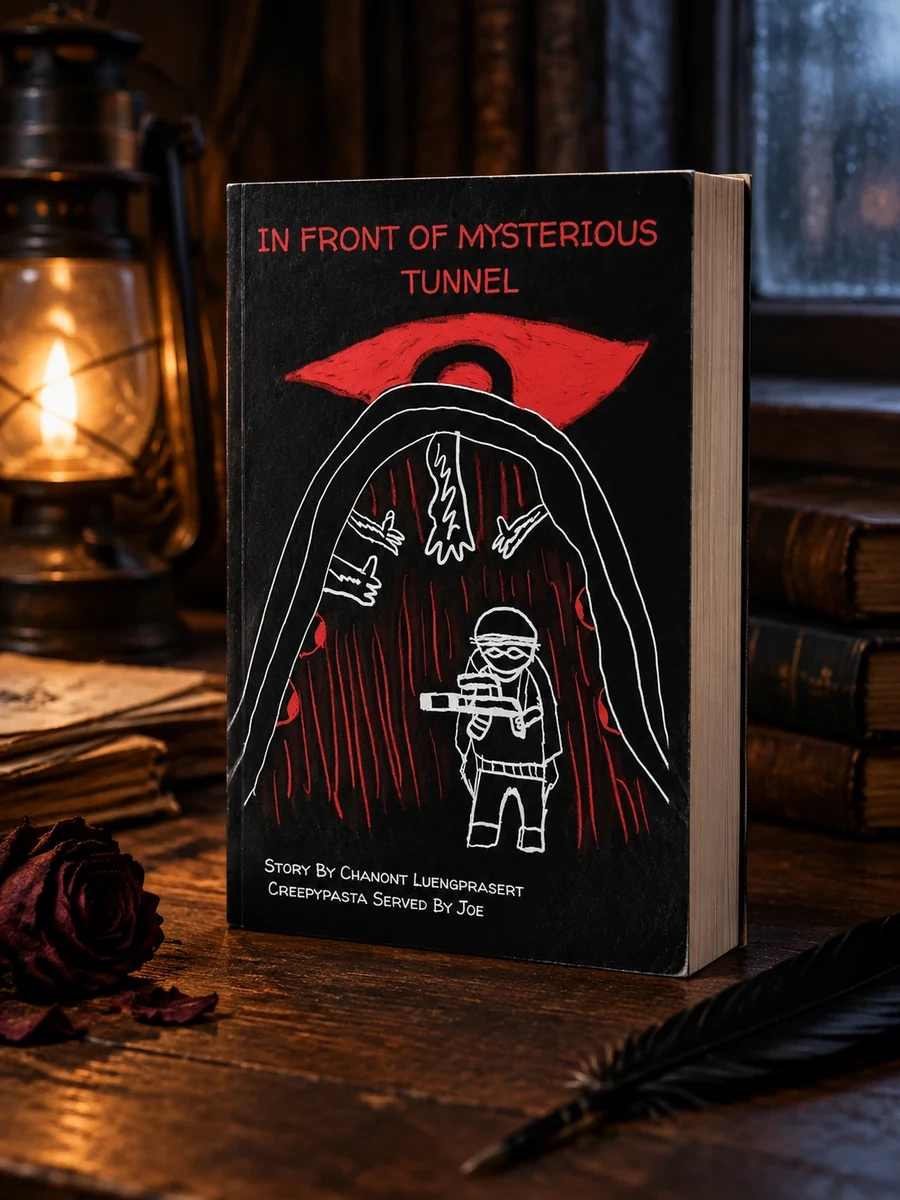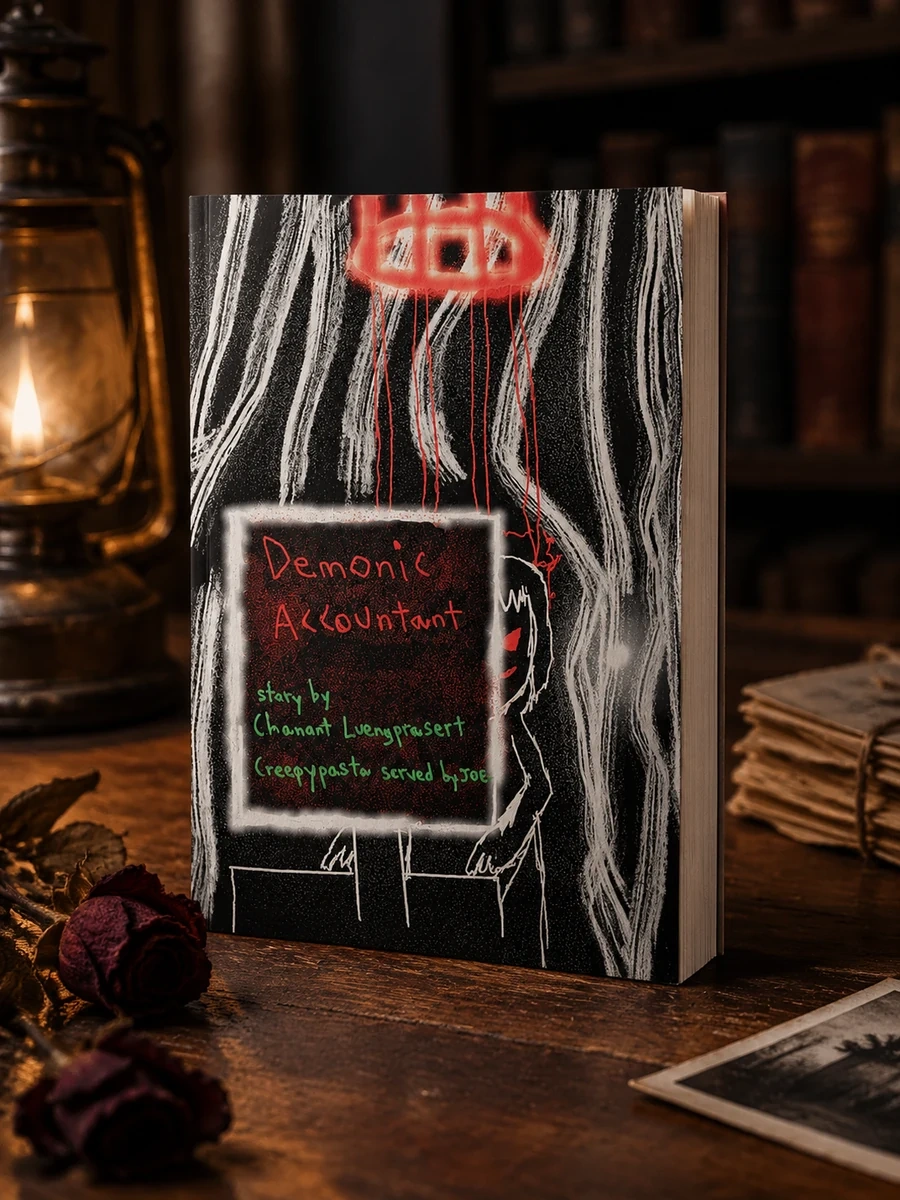
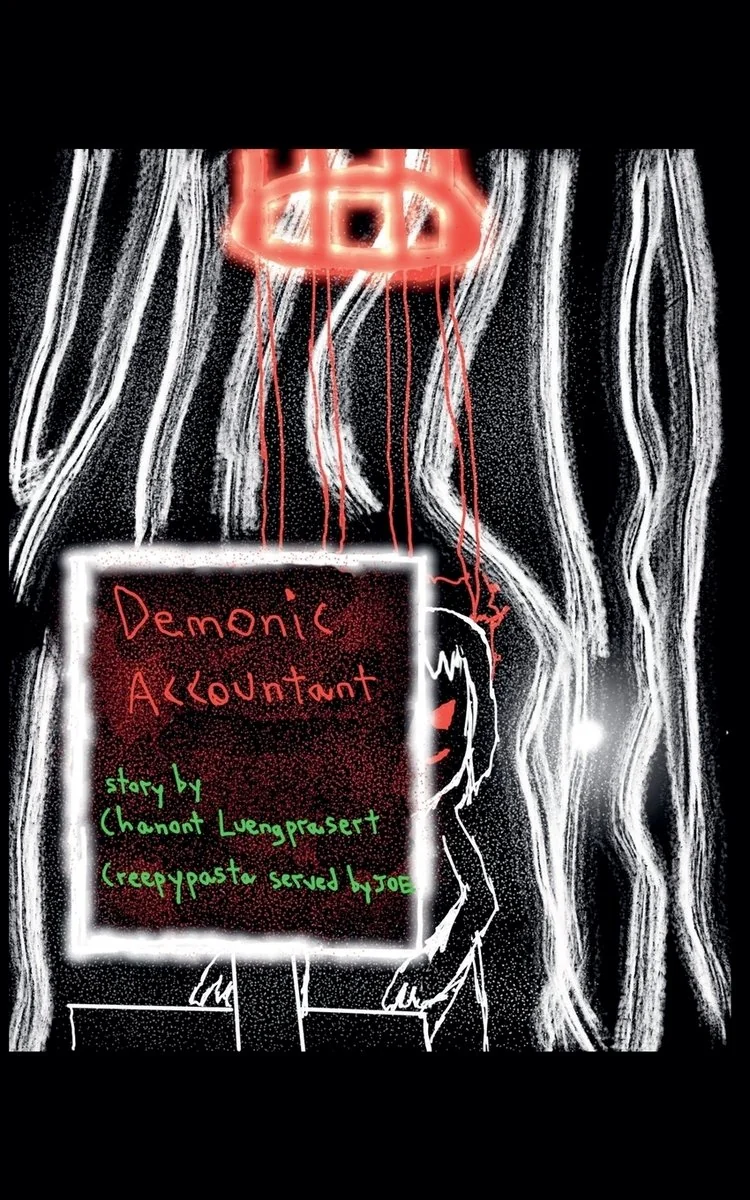
Demonic Accountant
An accountant trades his soul to erase someone, only to find his own name on the list.
The narrative follows an accountant who hits rock bottom and seeks a way out through dark means. He negotiates with a demonic entity to remove a person from existence. This act requires him to surrender his soul. The story examines the immediate consequences of this choice. The accountant learns too late that the power he sought is actually a curse. It does not grant freedom but ensures death for everyone involved, including himself. The plot focuses on the inevitability of this outcome. There are no heroic attempts to break the contract. The tension builds as the accountant realizes the list contains his name. This creates a sense of inescapable doom. The work relies on the horror of realization rather than external threats. It is a compact tale of regret and supernatural retribution.
This book sits within the modern creepypasta tradition, published in 2025 by Creepypasta Served by Joe. It reflects contemporary American interest in digital-era horror and supernatural fiction. The work connects to older gothic traditions of Faustian bargains but updates them for a modern audience seeking chilling turns and intense twists.


📝 Description: Demonic Accountant
💎 Our verdict on Demonic Accountant
📖 Why choose it
Why this book is worth reading
Readers who appreciate compact tales of supernatural retribution and the corruption of the mundane by evil forces will find this narrative compelling. It suits those seeking intense twists in horror fiction that emphasize consequence over heroism. Fans of dark, psychological horror who enjoy stories about modern damnation will appreciate the focus on inevitable doom rather than external threats. The book offers a chilling examination of regret and the fatal price of power, appealing to audiences who prefer atmospheric tension and realization-based horror over action-heavy plots or clear resolutions.
⭐ Reader reviews
Reader rating
This narrative excels in building a sense of inescapable doom through the accountant’s gradual realization of his fate. It effectively draws on traditions of demonic pacts to create a chilling atmosphere where power demands a fatal price. The work is best suited for readers who enjoy psychological horror and stories grounded in specific tragedies rather than complex subplots. While it avoids heroic attempts to break contracts, this linear approach heightens the tension. The text aligns well with preferences for supernatural fiction that prioritizes consequence. It provides a distinct voice within the creepypasta genre, offering a compact tale of despair and retribution that resonates with those who appreciate the horror of realization over external threats.