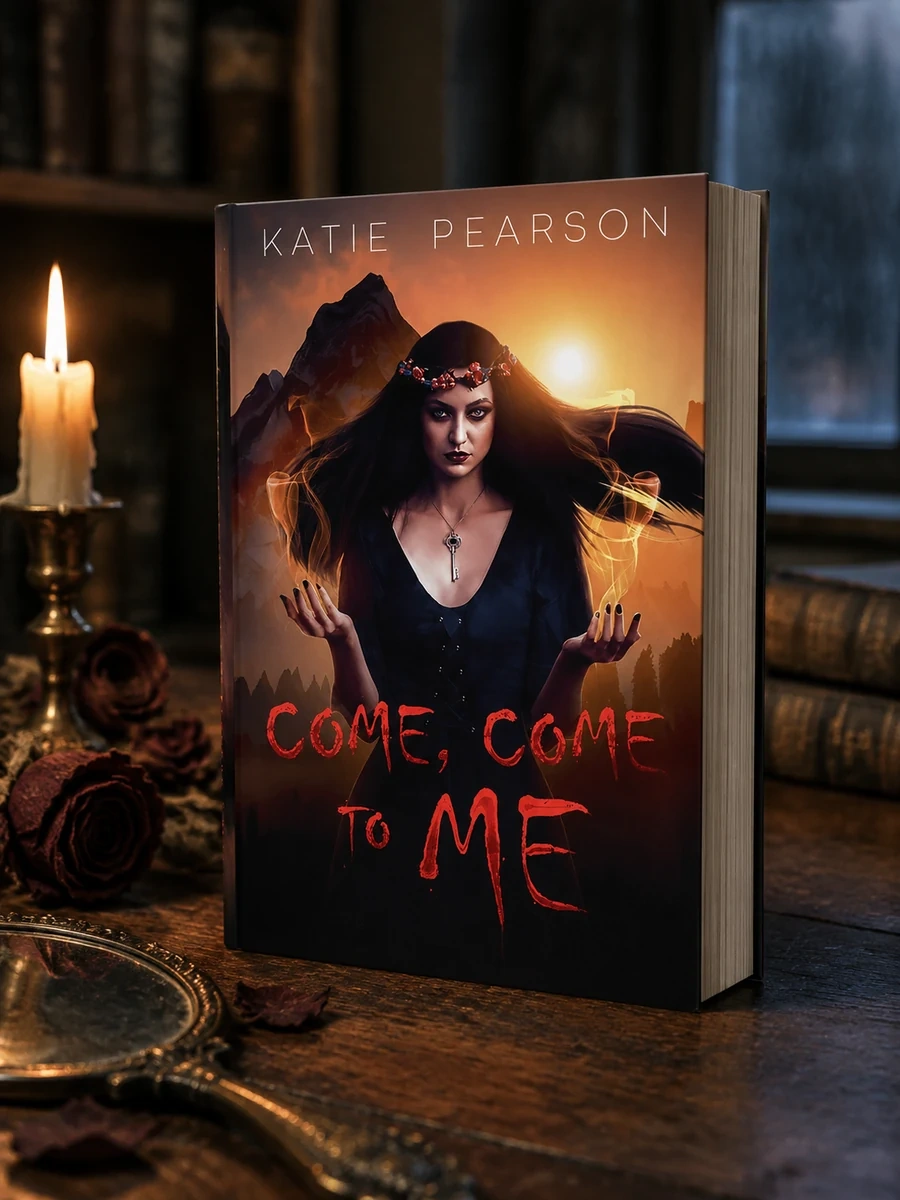
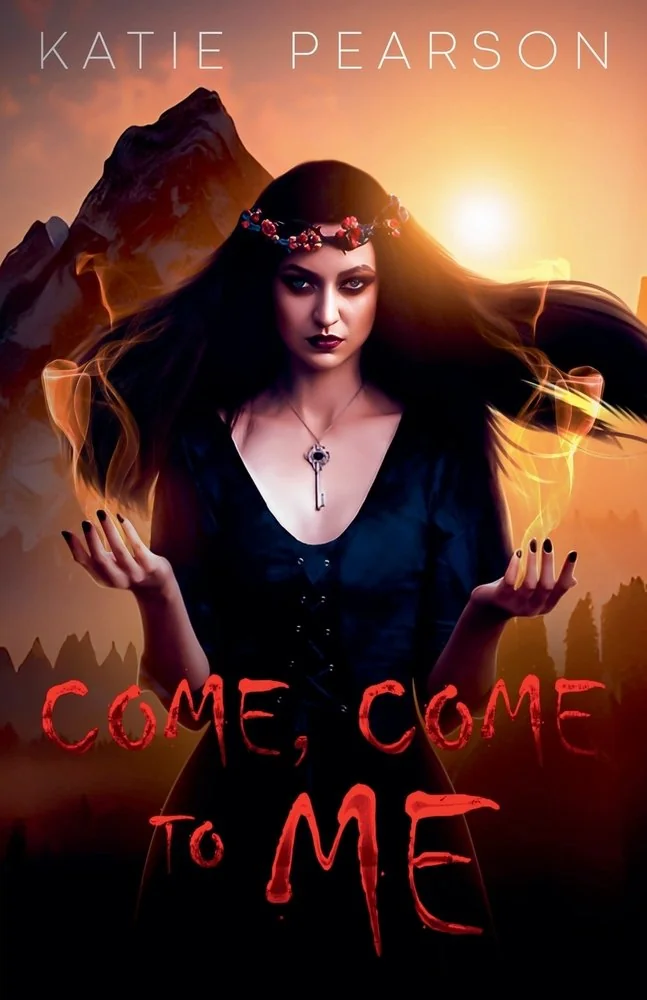
Come, Come to me
A descendant of a witch burner faces supernatural revenge in modern Virginia.
Pearson connects the 1887 burning of Dolly Collins to events in Bristol, Virginia, one hundred thirty-six years later. Kristina Noel, a high school student and descendant of the men who killed Collins, cuts herself on a bone while exploring ruined cabins. This act triggers the return of a burned figure. The plot tracks the disappearance of a child and other deaths under mysterious circumstances. Sheriff Mark Russell investigates the chaos that follows. Rhonda arrives in town with her dog Bella, adding to the local suspicion. The story relies on the threat Dolly Collins made before her death. Pearson uses this historical event as the foundation for a tale about murder and magic. The narrative does not shy away from the consequences of past violence. It presents a direct line from the burning to the current terror.
The story bridges 1887 Tennessee and modern Bristol, Virginia. It draws on American folklore regarding witches and the enduring impact of historical violence on descendants. Pearson sets the narrative in a rural environment where old secrets remain buried but active.


📝 Description: Come, Come to me
💎 Our verdict on Come, Come to me
📖 Why choose it
Why this book is worth reading
Readers interested in the intersection of historical fact and supernatural fiction will find this book compelling. It offers a chilling exploration of how past violence echoes through generations, specifically targeting those who enjoy revenge plots rooted in real events. Those fascinated by the folklore of witchcraft and the psychological weight of family curses will appreciate the narrative's focus on inherited guilt. The story provides a tense atmosphere where historical trauma manifests as immediate physical danger, appealing to fans of horror that grounds its scares in tangible, documented history rather than abstract fear.
⭐ Reader reviews
Reader rating
Pearson effectively bridges the gap between historical documentation and supernatural terror. By anchoring the plot in the 1887 burning of Dolly Collins, she creates a palpable sense of inevitability as the past intrudes upon modern life. The narrative structure successfully links the two eras through bloodline and vengeance, maintaining tension despite its straightforward premise. This book suits readers who prefer horror with historical weight over pure fantasy. It delivers a direct line from past atrocities to present consequences, offering a satisfyingly grim exploration of magic and murder for those who enjoy atmospheric, curse-driven tales rooted in specific geographic and temporal contexts.
You might also like
See more →




Have a question about this item?
Ask about the edition, condition, delivery or anything else — we reply by email or phone, usually within a day.
