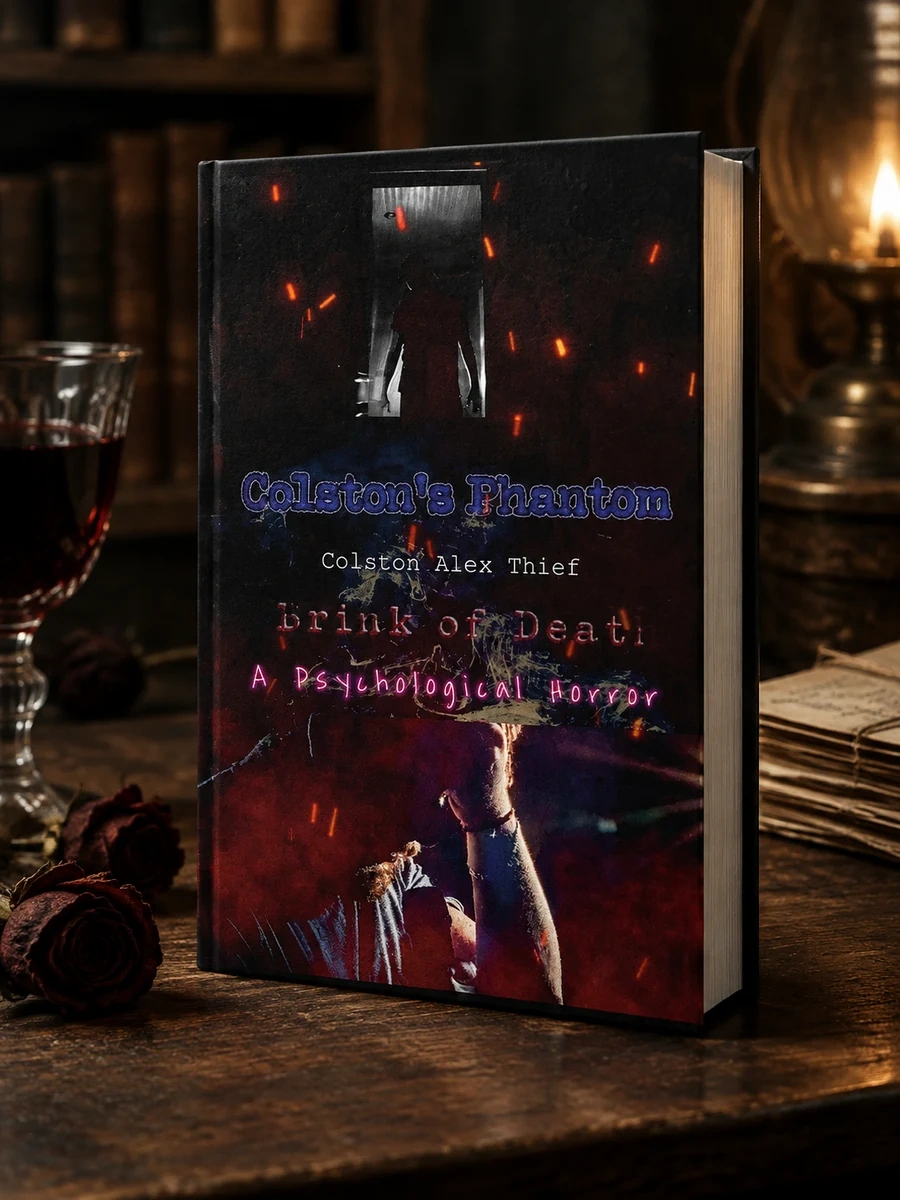
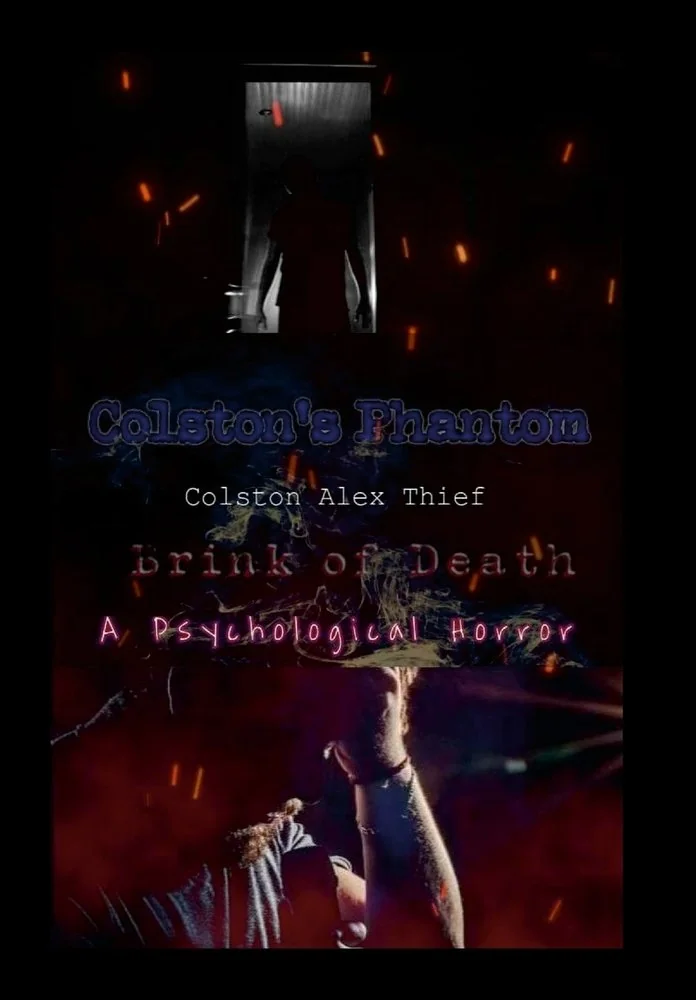
Colston's Phantom: Brink of Death: A Psychological Horror
A psychological horror novel about a kidnapping survivor's struggle for identity.
Colston Driscoll survives a ten-day captivity but finds himself trapped in Idaho with only his wife Kayra and friend Jordan nearby. He clings to a sense of self while a veil separates him from the world. The narrative follows his battle against negligence and the threat of being buried alive. He seeks to answer who the phantom is. The story focuses on mental escape rather than physical flight. It explores the lingering effects of trauma through a gothic lens. The isolation in rural Idaho amplifies his internal conflict. The text avoids supernatural elements, focusing instead on psychological decay. This makes it a serious examination of survival and identity loss.
This work sits within the American psychological horror tradition, drawing on gothic themes of isolation and supernatural dread. It is set in rural Idaho, using the sequestered landscape to amplify the protagonist's internal struggle. The narrative reflects contemporary interests in post-traumatic stress and the fragility of the self.


📝 Description: Colston's Phantom: Brink of Death: A Psychological Horror
💎 Our verdict on Colston's Phantom: Brink of Death: A Psychological Horror
📖 Why choose it
Why this book is worth reading
Readers seeking a slow-burn psychological tension will find this narrative deeply rewarding. It offers an intense character study that examines the darker corners of the human psyche following severe trauma. Those who appreciate atmospheric horror set in confined spaces and enjoy analyzing the lingering effects of captivity on identity will gain significant insight. The book suits individuals interested in the intersection of gothic isolation and modern psychological realism, providing a serious examination of survival without relying on fast-paced action or traditional jump scares.
⭐ Reader reviews
Reader rating
Colston Thief delivers a grounded exploration of mental escape rather than physical flight, focusing on the protagonist's battle against negligence and identity loss. The narrative effectively utilizes the rural Idaho setting to amplify internal conflict, creating a claustrophobic atmosphere that mirrors Colston’s psychological state. By avoiding supernatural elements, the author forces readers to confront the terrifying reality of post-traumatic stress and the erosion of self. This approach makes the horror feel immediate and visceral. The prose remains tightly focused on the emotional and physical reality of survival, offering a compelling look at how trauma blurs the boundaries between internal madness and external perception.
You might also like
See more →



Have a question about this item?
Ask about the edition, condition, delivery or anything else — we reply by email or phone, usually within a day.
