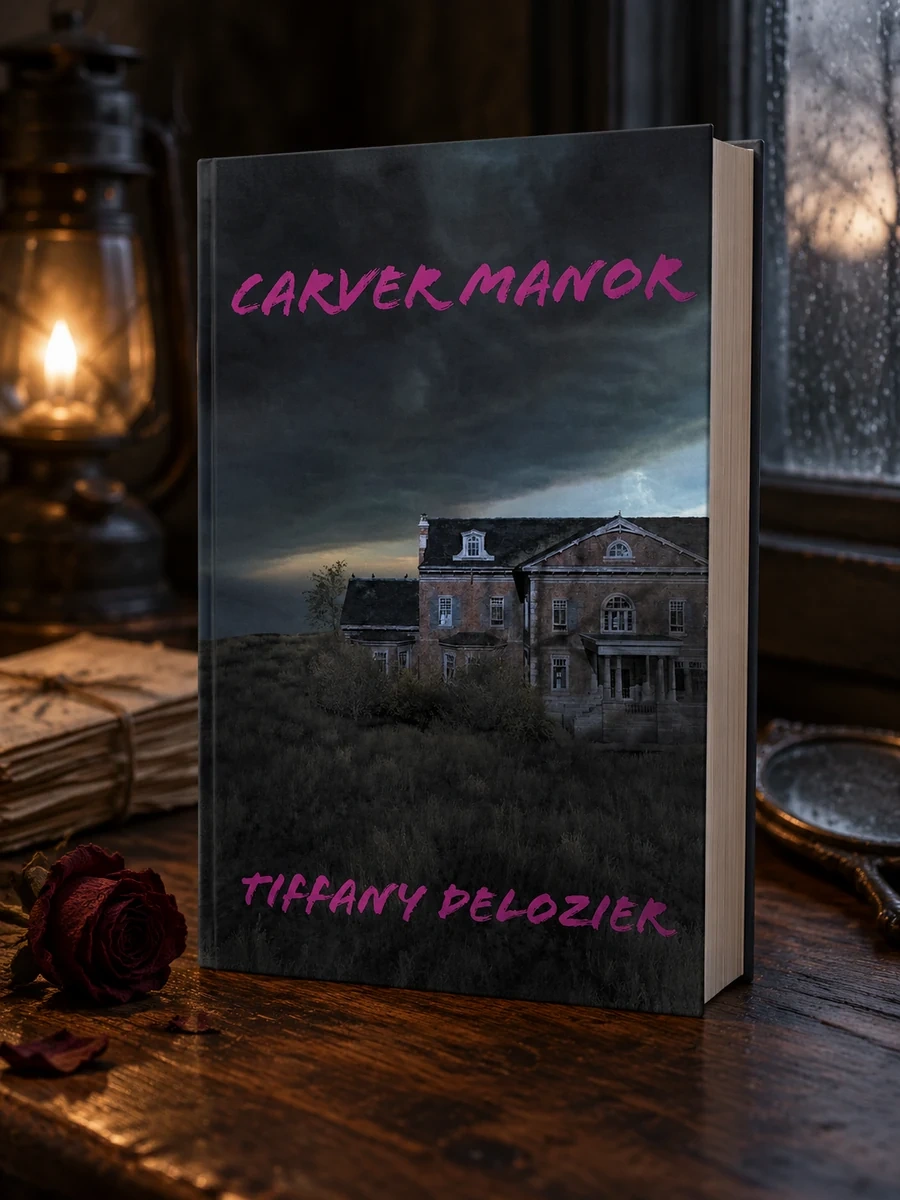
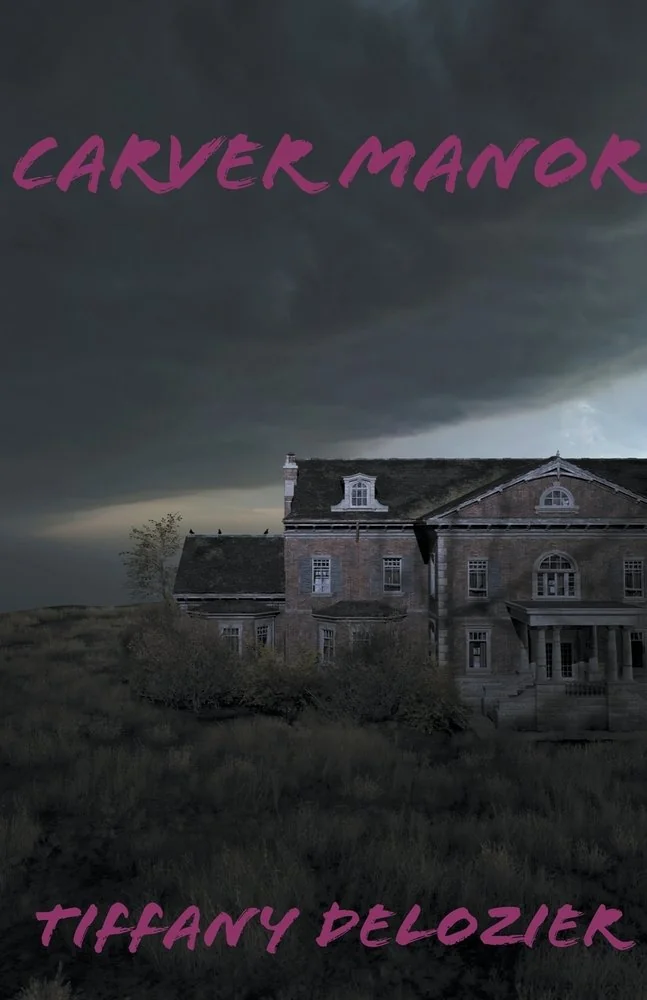
Carver Manor
A modern investigation into a 1870 unsolved murder haunting its descendants.
The narrative focuses on the Carver family legacy after Emory’s death in 1870. His wife and children never learned who killed him, allowing the story to persist across generations. Now, spirits of Emory and his kin block peace until the killer is named. Modern relatives encounter a shadow figure intent on finishing the original act. A childhood friend leads a team to uncover the truth behind this century-and-a-half-old cold case. The work highlights the burden of inherited trauma and the persistence of unresolved grief. It connects the specific date of October 1870 with contemporary fears, showing how old wounds reopen when ignored.
The story bridges the post-Civil War era of October 1870 with modern times. It utilizes American gothic traditions where family estates become sites of supernatural unrest. The narrative relies on the trope of bloodline curses, linking past violence to present danger through the specific timeline of one hundred and fifty-three years.


📝 Description: Carver Manor
💎 Our verdict on Carver Manor
📖 Why choose it
Why this book is worth reading
Readers who appreciate slow-burn mysteries involving family secrets and ghostly retribution will find this narrative deeply engaging. It offers a compelling examination of inherited trauma, showing how old wounds reopen when ignored. The book grounds supernatural elements in emotional reality, making it ideal for those interested in the intersection of personal grief and professional investigation. However, those seeking fast-paced action or clear resolutions to historical crimes may feel frustrated by the lingering ambiguity. This text is best suited for audiences who enjoy tense pursuits of truth against supernatural odds and value atmospheric storytelling over immediate gratification.
⭐ Reader reviews
Reader rating
DeLozier effectively constructs a haunting atmosphere where the past violently intrudes upon the present. The narrative succeeds in portraying the burden of inherited trauma through the restless spirits of Emory and his kin, who refuse to move forward without justice. By focusing on the specific date of October 1870 and connecting it to contemporary fears, the author creates a sense of inevitable dread. The work is particularly strong in its emotional grounding, linking professional investigation with personal loss. It suits readers who favor atmospheric tension and psychological depth over rapid plot progression. While the ambiguity may disappoint those craving definitive closure, the exploration of unresolved grief provides a rich, immersive experience for fans of gothic horror and ghost stories.
You might also like
See more →





Have a question about this item?
Ask about the edition, condition, delivery or anything else — we reply by email or phone, usually within a day.
