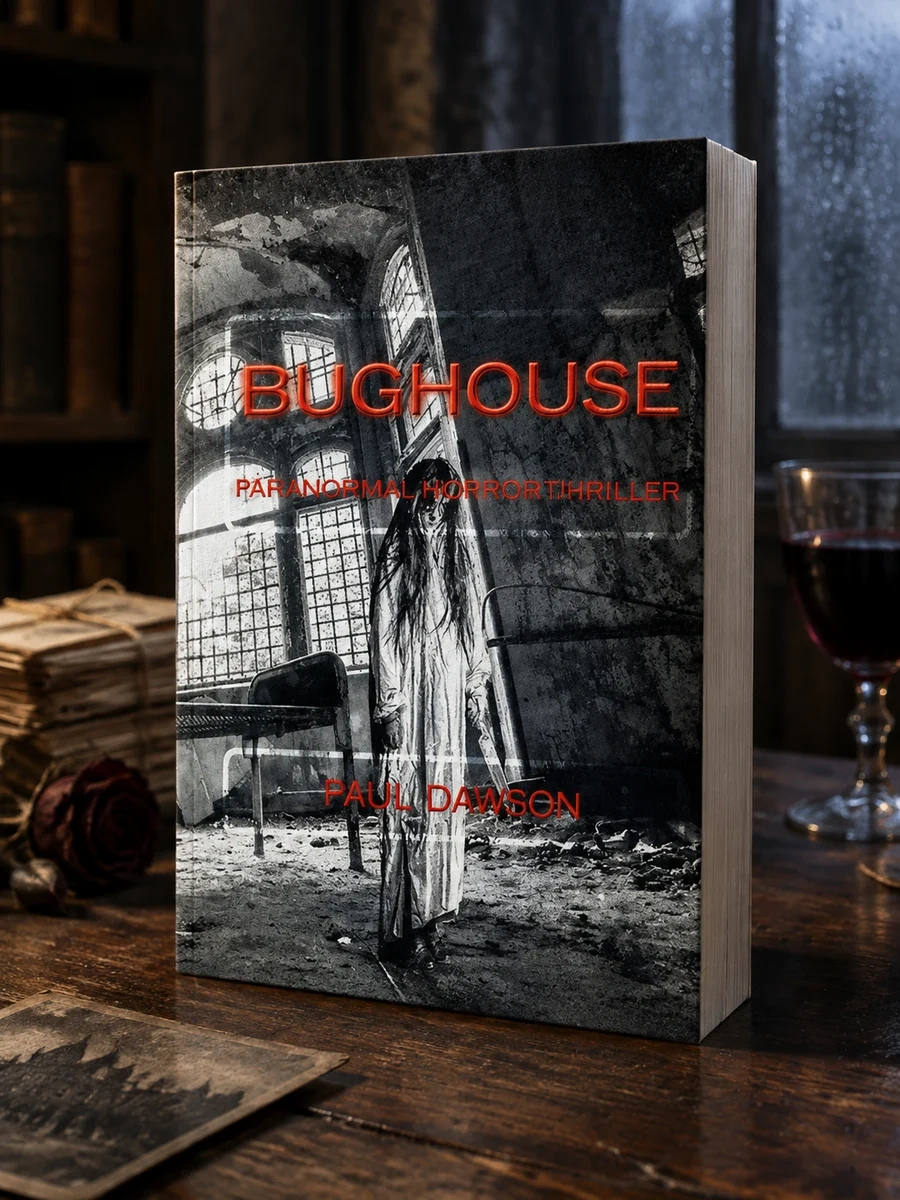
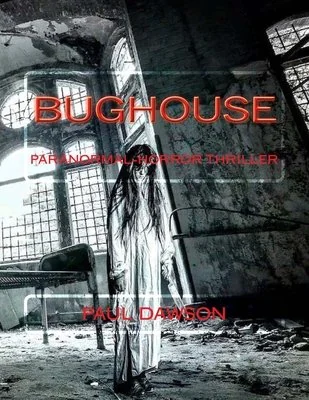
Bughouse: Paranormal-horror thriller
A psychology intern uses psychic powers to survive a haunted asylum in this paranormal thriller.
The narrative centers on Amanda, a young woman with a specific talent for foreseeing death. She joins a team of interns at an old facility, expecting a standard educational experience. Instead, she encounters a place where past psychiatric experiments and murders linger in the present. The text describes her ability to enter nightmares and reveal truths about mad doctors from history. As her predictions result in actual bloody unsolved murders, the initial jokes about haunted wings turn into genuine dread. The story tracks the transition from academic interest to mortal danger for the group of young psychologists. It highlights the tension between rational psychological study and inexplicable supernatural events within a confined institutional setting.
This work sits within the paranormal romantic thriller genre, published in 2018 by Createspace Independent Publishing Platform. It draws on traditions of haunted house fiction and psychological horror, focusing on a modern setting where clinical psychology intersects with supernatural phenomena.


📝 Description: Bughouse: Paranormal-horror thriller
💎 Our verdict on Bughouse: Paranormal-horror thriller
📖 Why choose it
Why this book is worth reading
Readers seeking a blend of academic intrigue and supernatural dread will find this title compelling. It appeals to those who enjoy genre hybridization, specifically the intersection of clinical psychology and paranormal phenomena. The narrative offers a tense exploration of rationality versus the inexplicable, making it suitable for fans of confined setting horror. Those interested in stories where professional curiosity turns into mortal danger will appreciate the shift from academic interest to survival instinct. It provides a thrilling experience for audiences who like seeing skeptics confront genuine supernatural threats within institutional walls.
⭐ Reader reviews
Reader rating
This thriller effectively merges psychological study with supernatural elements, creating a unique atmosphere of dread within a confined asylum setting. The protagonist’s psychic abilities provide a compelling lens for exploring past horrors, allowing the narrative to transition smoothly from academic curiosity to visceral terror. Paul Dawson successfully builds tension by contrasting rational clinical observation with inexplicable ghostly threats. The story suits readers who enjoy genre blending and institutional horror. It avoids relying solely on jump scares, instead focusing on the psychological impact of impending doom. The pacing supports the gradual erosion of skepticism among the intern group, making the eventual horror feel earned and impactful for its target audience.