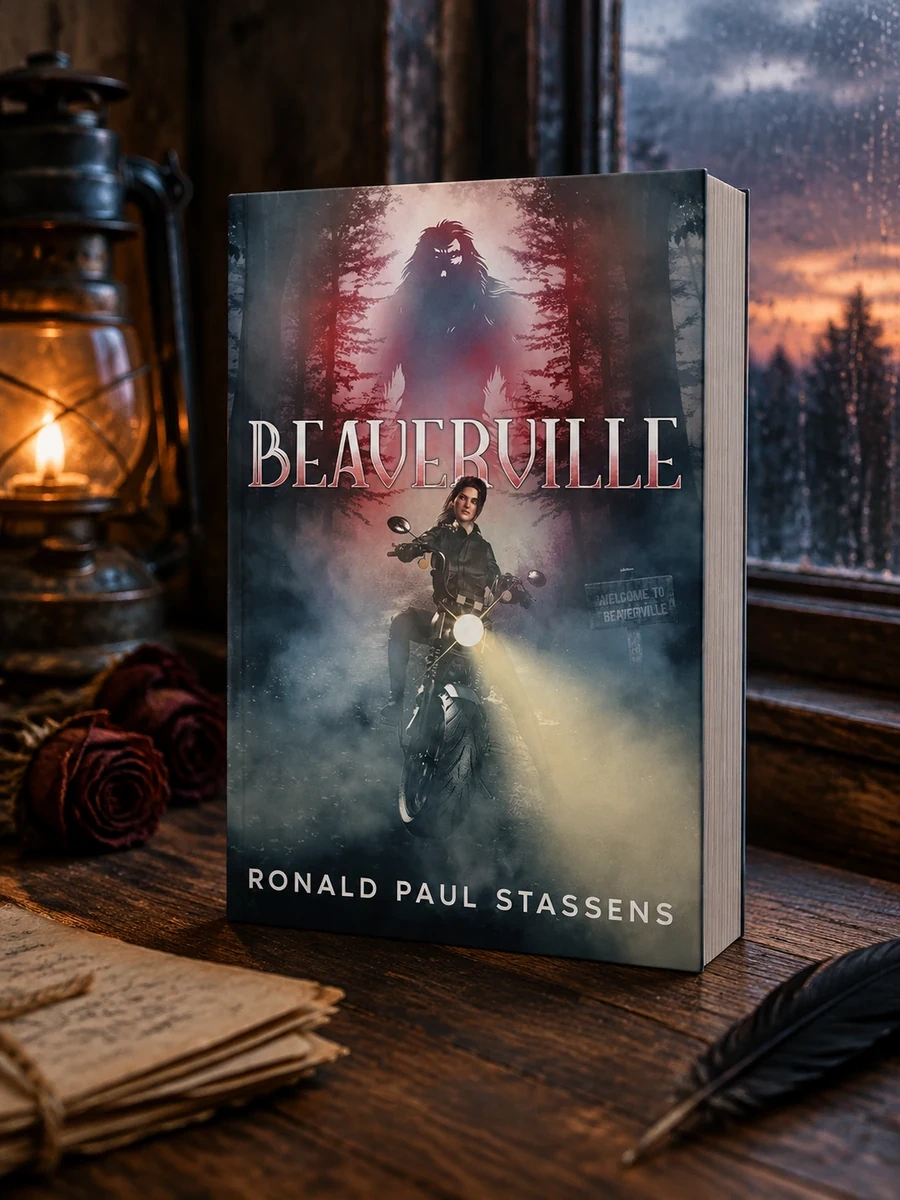
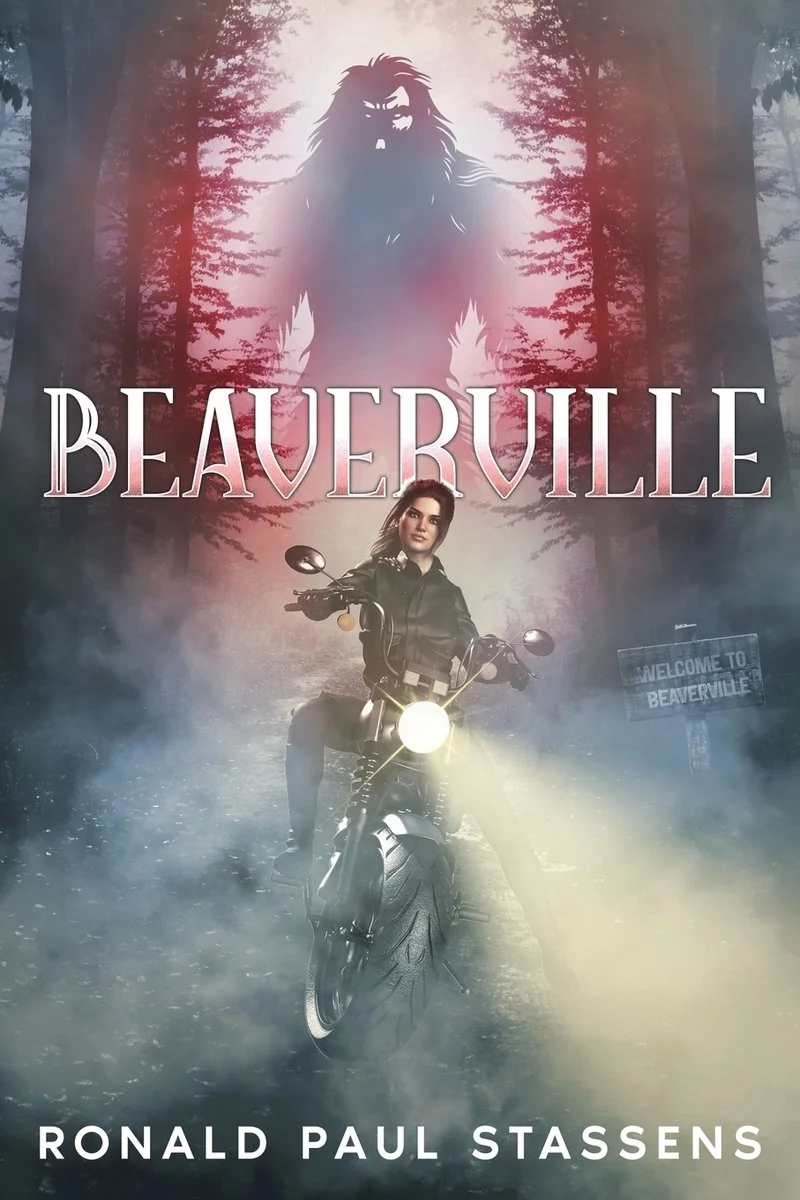
Beaverville
A quiet horror novel exploring modern dread through subtle reality shifts.
Stassens constructs a narrative where the boundary between the everyday and the eerie dissolves gradually. The work does not depend on established mythologies or historical fears. Instead, it grounds its terror in current times, allowing tension to accumulate through minor distortions of the familiar world. This approach creates a unique reading experience that prioritizes mood over plot twists. The author’s method involves merging fantasy elements with horror tropes to unsettle the reader without relying on physical violence or sudden shocks. The result is a story that feels immediate and relevant, yet distinctly strange.
Published in January 2026 by Holzer Books LLC, this paperback edition sits within the current landscape of genre fiction. It addresses modern readers seeking horror that reflects present-day anxieties rather than historical or mythical pasts.


📝 Description: Beaverville
💎 Our verdict on Beaverville
📖 Why choose it
Why this book is worth reading
Readers who appreciate horror that operates through psychological depth rather than visceral shock tactics will find this novel rewarding. It suits those seeking a quiet, persistent exploration of fear in a contemporary setting where the mundane becomes strange. The book offers a unique immersion into subtle reality shifts and modern dread without relying on physical violence or sudden shocks. Those who prefer mood over plot twists will gain from its consistent tone and lingering sense of foreboding. It is ideal for audiences tired of traditional supernatural lore, offering instead a narrative that grounds terror in current times through minor distortions of the familiar world.
⭐ Reader reviews
Reader rating
Stassens crafts a compelling work where the boundary between the everyday and the eerie dissolves gradually, creating an atmosphere that feels both familiar and unsettling. By avoiding ancient legends, the novel locates dread in the present day, building tension through subtle shifts in reality rather than explicit gore or jump scares. The text focuses on psychological unease and the slow unraveling of normalcy, prioritizing atmosphere over action. This approach provides a quiet but persistent exploration of fear in a contemporary setting. It suits readers who enjoy horror operating without spectacle, offering a narrative space where the mundane becomes strange through psychological depth rather than traditional supernatural lore or historical fears.
You might also like
See more →



Have a question about this item?
Ask about the edition, condition, delivery or anything else — we reply by email or phone, usually within a day.
