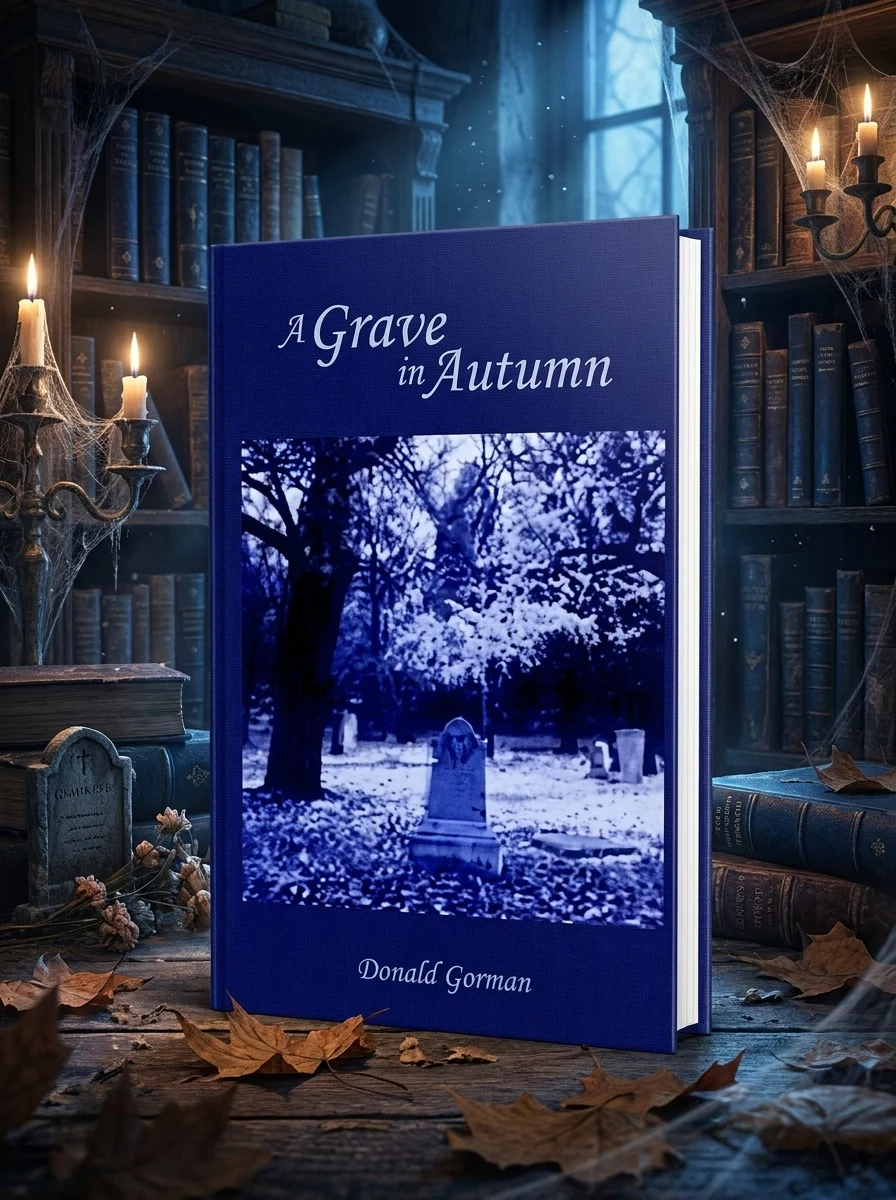

A Grave in Autumn
A quiet, atmospheric horror novel focusing on dread rather than plot.
Gorman builds a story that ignores standard horror clichés to focus on mental immersion. By dropping specific names and complicated plots, the writing directs attention to the surrounding feeling of loneliness. The format supports a gradual rise in pressure, letting readers feel fear as a constant state rather than a sequence of incidents. This approach attracts those who are okay with uncertainty and dislike clear endings. The book differs from typical genre works by refusing to offer comfort or explanations. It requires patience and a readiness to stay with discomfort. People wanting straightforward answers or brave heroes may feel confused. Those wanting a deep, reflective look at fear will appreciate it.
Published in 2005 by Authorhouse, this paperback enters the landscape of gothic fiction and ghost stories. It positions itself against action-driven horror, offering a distinct entry for readers who prefer atmospheric weight over narrative speed. The work reflects a specific niche within supernatural fiction that values mood above plot.


📝 Description: A Grave in Autumn
💎 Our verdict on A Grave in Autumn
📖 Why choose it
Why this book is worth reading
Readers who appreciate deep, reflective examinations of fear will find this book rewarding. It offers a unique experience for those willing to endure discomfort without seeking comfort or clear answers. The narrative focuses on mental immersion and loneliness, creating a heavy, reflective tone that disturbs through emotional weight rather than shock. Those who dislike standard storytelling rules or neat endings may feel confused, but serious horror fans will appreciate the sharp look at darker human aspects. It serves as a test of enduring discomfort for those who value mood over plot.
⭐ Reader reviews
Reader rating
Donald Gorman delivers a focused horror experience that values mood significantly more than traditional plot structures. By ignoring standard clichés and specific details, the text creates a pervasive sense of quiet anxiety and mental stress. This approach appeals to readers of gothic tales who seek sadness and loneliness rather than jump scares. The book provides a sharp, lasting look at fear through emotional weight, offering no surprises or final answers. It suits those who care about mental depth and creepy vibes over character growth. While it may confuse readers wanting straightforward narratives, it stands as a careful choice for serious fans willing to engage with uncertainty and sustained tension.
📖 Read on the blog
✍️ More books by this author Donald Gorman


🏛 Books from this publisher Authorhouse



You might also like
See more →




Have a question about this item?
Ask about the edition, condition, delivery or anything else — we reply by email or phone, usually within a day.
