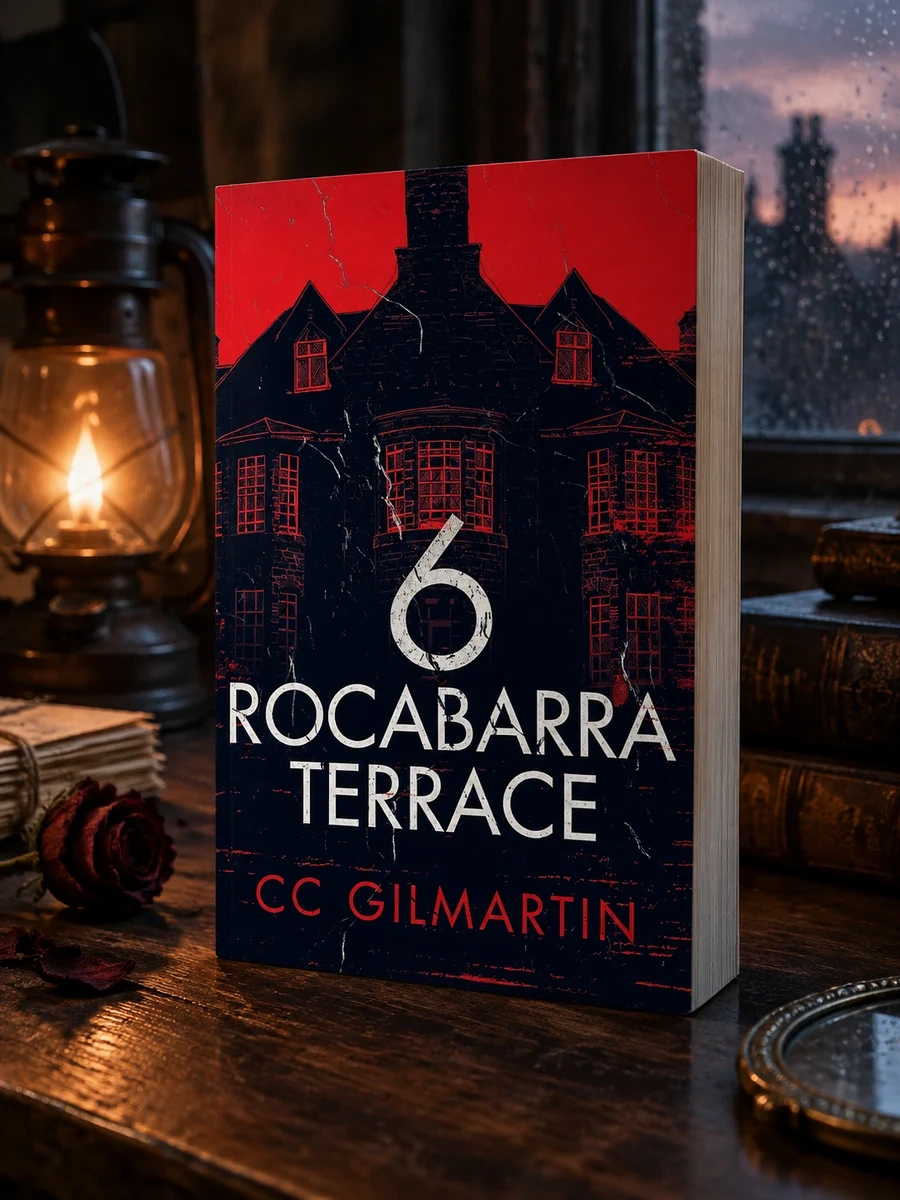
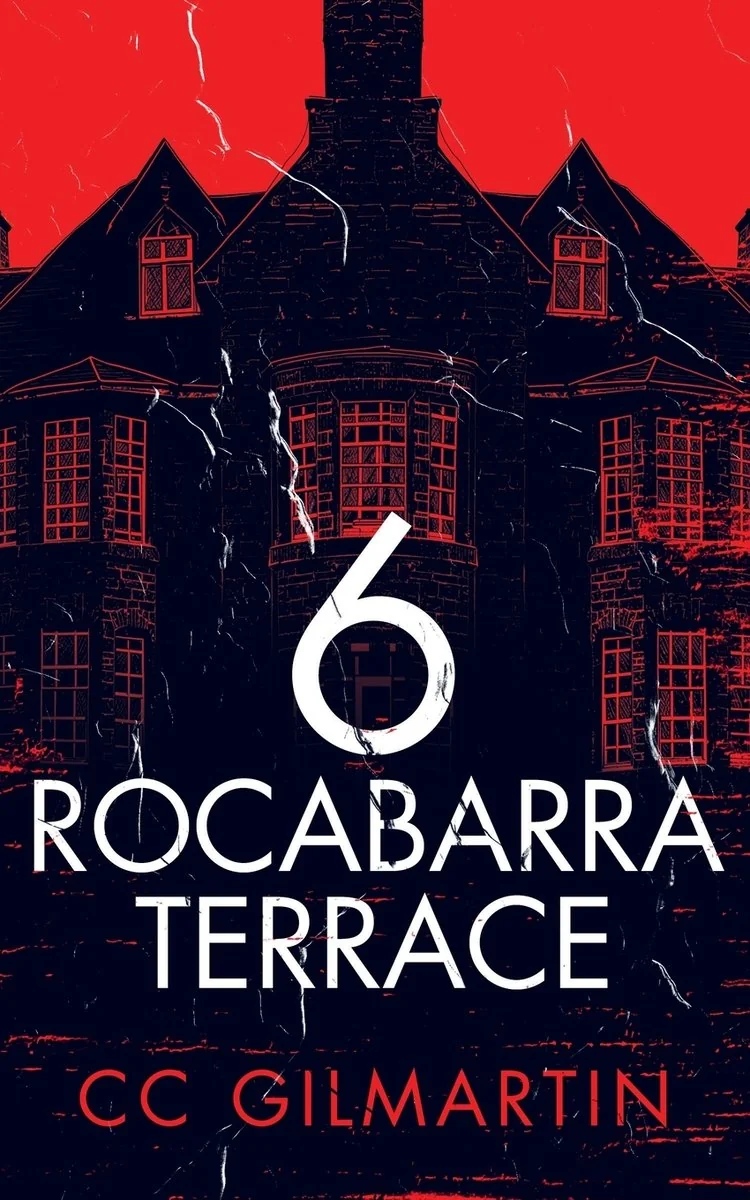
6 Rocabarra Terrace
A mother investigates her son's death at a haunted Glasgow house that remembers everything.
The plot hinges on Mairi Lomax’s return to 6 Rocabarra Terrace after her son’s fatal fall from the roof. As she pieces together his last days, she realizes the event was murder, not an accident. The house itself becomes an active antagonist, triggering memories of childhood whispers she long suppressed. Gilmartin uses the setting to blur the line between psychological trauma and supernatural haunting. The narrative structure follows Mairi’s internal struggle against guilt while confronting external forces within the crumbling building. This approach creates a slow-burn horror experience focused on emotional resonance and atmospheric dread rather than jump scares or visceral violence.
The story is set in Glasgow, Scotland, during a snowstorm. It draws on the tradition of gothic fiction where buildings hold memory and trauma. The narrative reflects themes of urban decay and personal history intertwined with supernatural elements.


📝 Description: 6 Rocabarra Terrace
💎 Our verdict on 6 Rocabarra Terrace
📖 Why choose it
Why this book is worth reading
Readers seeking a slow-burn horror experience that prioritizes atmospheric dread and emotional depth will find this narrative compelling. It is ideal for those who appreciate gothic fiction where the setting acts as an active antagonist, blurring the lines between supernatural haunting and psychological trauma. The book offers a profound exploration of maternal guilt and the lingering presence of traumatic events within physical spaces. Fans of stories that rely on unresolved tension rather than explicit gore or jump scares will value its heavy tone. It suits those interested in how haunted architecture can reflect internal struggles, providing a chilling examination of memory and loss without offering easy answers or fast-paced action.
⭐ Reader reviews
Reader rating
Gilmartin delivers a chilling narrative centered on Mairi Lomax’s return to a decaying Glasgow terrace following her son’s fatal fall. The house serves as an active antagonist, triggering suppressed childhood whispers and forcing a confrontation with past guilt. This approach effectively blurs the line between psychological trauma and supernatural haunting, creating a heavy atmosphere of unresolved dread. The story excels in its emotional resonance and atmospheric tension, avoiding visceral violence in favor of psychological complexity. It is best suited for readers who enjoy gothic fiction and psychological horror that explore the intersection of maternal grief and haunted spaces. Those preferring clear resolutions or fast-paced action may find the tone too heavy and the narrative structure deliberately slow.
You might also like
See more →





Have a question about this item?
Ask about the edition, condition, delivery or anything else — we reply by email or phone, usually within a day.
